Walking Tours: Tracing the Steps of Charles Dickens in London
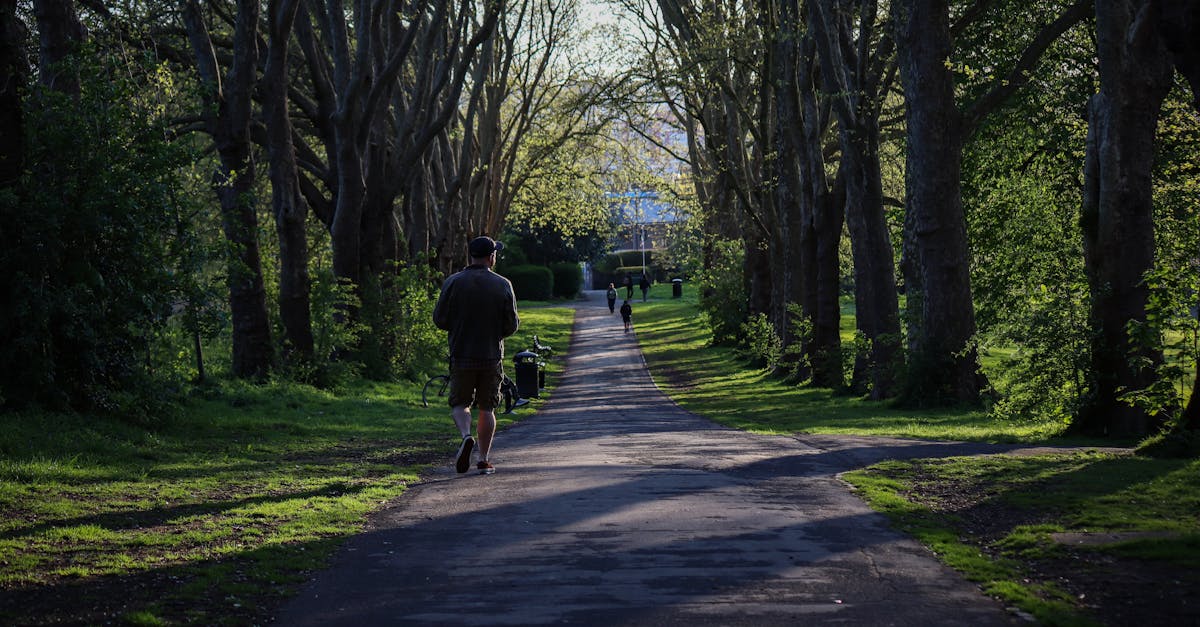 This photo was taken by Boys in Bristol Photography on Pexels.
From Satirical Streets to Solitary Pubs: The Early Years
Stepping into the cobblestone shadows of 19th-century London is akin to walking directly through the pages of Charles Dickens' most biting novels, where the foggy air itself seems to carry the weight of social injustice. As you wander from the satirical streets of Fleet Street to the bustling docks of Wapping, you are retracing the exact routes taken by Oliver Twist and Fagin, places where the author sharpened his pen against the harsh realities of poverty and crime. The narrow alleys that once echoed with the cries of street vendors now host modern cafes, yet the ghostly atmosphere remains palpable; here, Dickens found the perfect backdrop for his scathing critiques of a society obsessed with class and commerce, turning everyday grit into timeless literature.
Yet, amidst this chaos, there existed a quiet sanctuary in the form of the solitary pub, often serving as the writer's refuge after long days of observation. Many of these historic establishments, such as the Angel Inn or the old taverns near Covent Garden, were where Dickens sought respite from the city's roar, sketching characters over tankards of ale while listening to the tales of laborers and thieves alike. These unassuming corners became the crucibles for some of his greatest creations, offering a stark contrast between the public spectacle of the street and the private introspection of the writer. Today, as you pause at these very spots, you can almost hear the scratch of his quill, imagining how he transformed the loneliness of the urban night into stories that would eventually illuminate the human condition for generations to come.
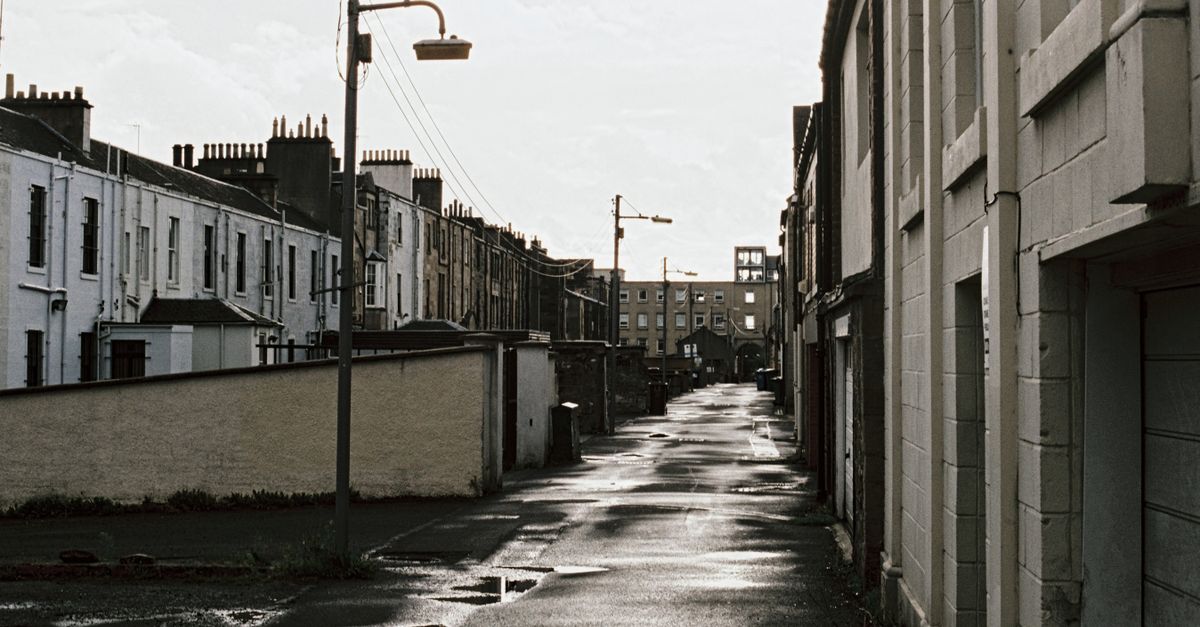 This photo was taken by Andrei on Pexels.
The Ghosts of Dickens' London: A Journey Through His Novels
 This photo was taken by Erik Mclean on Pexels.
Where the Great Author Walked: Iconic Locations and Hidden Gems
Begin your literary pilgrimage in the bustling heart of Holborn and Bloomsbury, where Charles Dickens spent his formative years and found endless inspiration for his greatest works. Stroll down Doughty Street to visit the only remaining house he ever lived in, now a museum preserved exactly as it was when he wrote "The Pickwick Papers," before wandering through the cobblestone alleys of Lincoln's Inn Fields that inspired the foggy courts of "Bleak House." For those seeking the authentic Victorian atmosphere, a walk along Fleet Street offers a glimpse into the world of his journalism, while the nearby Old Bailey stands as a somber reminder of the legal dramas that frequently populated his novels. These iconic spots are not merely historical markers but vibrant reminders of the city that shaped a genius, allowing you to feel the very pulse of 19th-century London that Dickens so vividly captured.
However, the true magic of tracing Dickens' footsteps often lies in the hidden gems tucked away from the main tourist thoroughfares. Venture into the quiet corners of Camden Town, where the author once walked with his family, or explore the atmospheric pubs of Seven Dials, which served as the backdrop for many of his characters' adventures. Don't miss the chance to visit the former site of the New River Head in Islington, a place of personal significance that connects to his early life, or seek out the specific street corners in Shoreditch where he observed the struggles of the urban poor. By stepping off the beaten path, you uncover the secret layers of the city Dickens knew best, transforming a simple tour into an immersive journey through the mind of England's most beloved storyteller.
 This photo was taken by Ann H on Pexels.