Walking Tours: Discovering London's Literary Roots
 This photo was taken by Jan van der Wolf on Pexels.
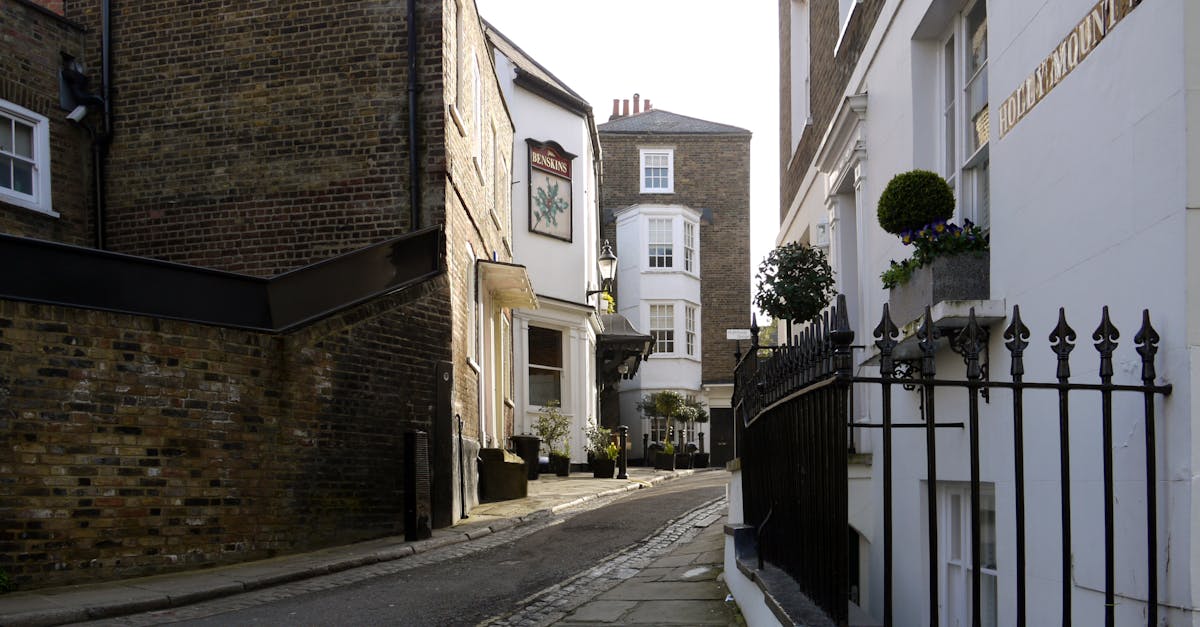
The Dickensian Streets of Bloomsbury
Wander through the quiet, tree-lined squares of Bloomsbury and you will instantly feel transported back to the foggy, gaslit London of Charles Dickens. This historic district, once a haven for writers and artists, still retains the atmospheric charm that inspired countless scenes in his novels, from the bustling markets near Covent Garden to the narrow alleyways where Oliver Twist might have scurried away. As you stroll past the grand red-brick townhouses and the iconic British Museum, imagine the ghostly figures of Fagin's gang or the weary Mr. Pickwick navigating these very streets, their stories woven into the cobblestones beneath your feet.
For literary enthusiasts, a walk here is not merely a tour but a pilgrimage through the mind of one of England's greatest storytellers. The area was home to many other literary giants, including Virginia Woolf and her Bloomsbury Group, adding layers of intellectual history to the Dickensian atmosphere. You can pause at the charming cafes and bookshops that line the perimeter of Gordon Square, reflecting on how this neighborhood served as a crucible for Victorian social commentary and modernist innovation alike, making it an essential stop for anyone seeking to understand the soul of London through its written word.
 This photo was taken by Brett Jordan on Pexels.
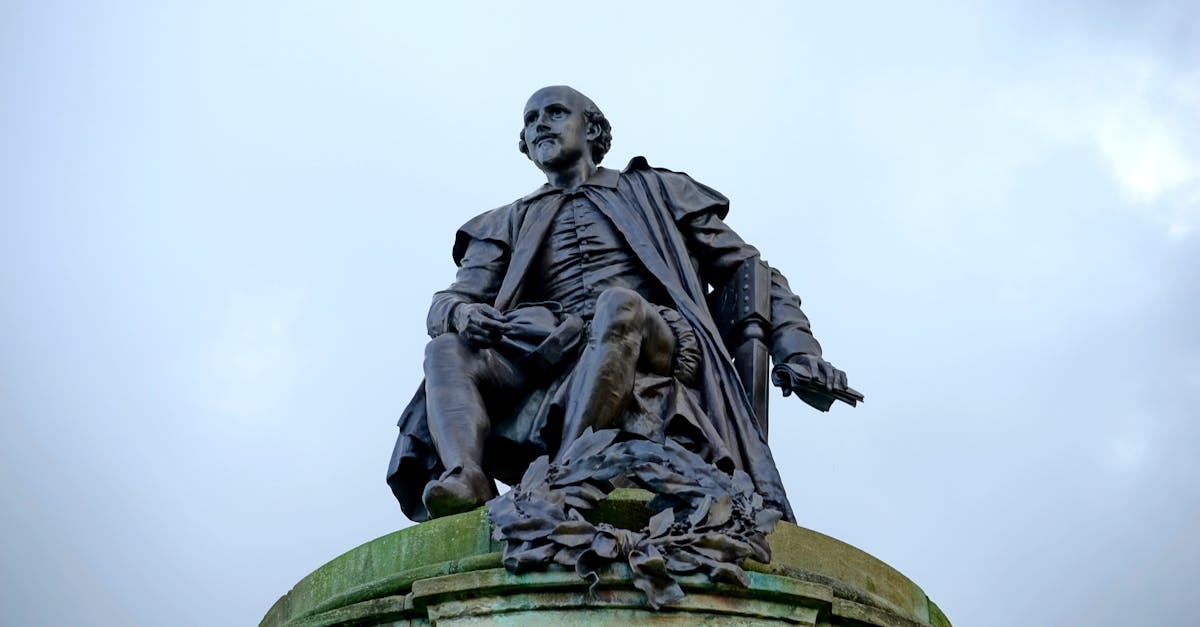
Shakespeare's Globe and the South Bank
Begin your literary journey at the magnificent Shakespeare's Globe, a faithful reconstruction of the original Elizabethan playhouse where history and drama converge on the south bank of the Thames. Stepping through its timber-framed doors feels like time travel, offering an immersive experience where you can watch performances in the very same spirit as the Bard himself, surrounded by standing groundlings and candlelit galleries. Just beyond the theatre lies the vibrant South Bank, a cultural artery that stretches along the riverfront, lined with bookshops, street performers, and the iconic London Eye, creating a perfect backdrop for those tracing the footsteps of England's most famous writer.
As you wander along this bustling promenade, the literary atmosphere deepens, connecting the historic roots of the Globe to the modern soul of London's creative scene. The path leads past the National Theatre and the Hayward Gallery, but it is the quiet charm of the riverside walk that truly invites reflection; here, you can imagine the poets and playwrights who once strolled these banks, finding inspiration in the flow of the water and the city's pulse. Whether you are stopping for a coffee at a riverside café or simply soaking in the view of St Paul's Cathedral across the water, the South Bank offers a living testament to London's enduring legacy as a global capital of literature and the arts.
 This photo was taken by Mike Bird on Pexels.
From Sherlock Holmes to Harry Potter: Iconic Locations
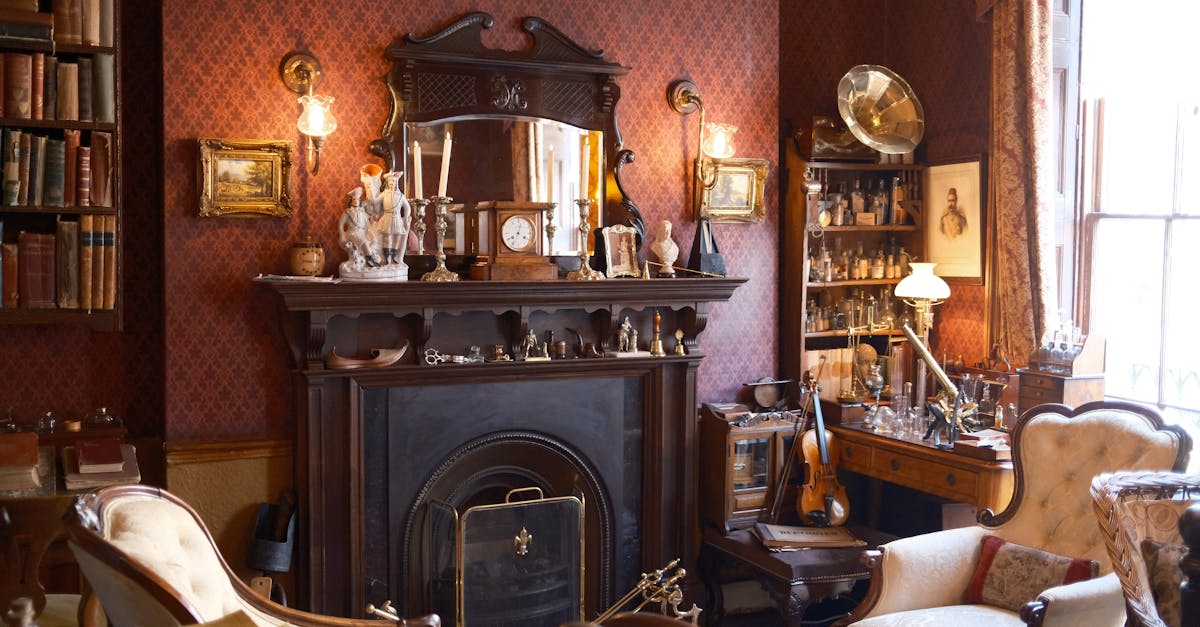
Step into the foggy streets of Victorian London where Arthur Conan Doyle's detective, Sherlock Holmes, first drew his conclusions at 221B Baker Street. Today, you can walk in the famous detective's footsteps along this iconic thoroughfare, imagining the gas-lit alleys and cobblestones that once served as the backdrop for some of literature's most thrilling mysteries. Just a short stroll away, the British Library houses original manuscripts and artifacts that bring the world of Sir Arthur to life, offering visitors a tangible connection to the era when deduction ruled supreme. These literary landmarks are not merely stops on a map but immersive gateways to a time when mystery and intrigue defined the very soul of the city.
For those swept up in the magic of J.K. Rowling's wizarding world, London transforms into a playground of enchantment just beyond the Muggle eye. You can explore the real-life inspiration behind Diagon Alley in Covent Garden, feel the thrill of crossing the actual platform at King's Cross Station marked with Platform 9¾, or wander through the atmospheric courtyards of Oxford Road that inspired the Hogwarts Express journey. From the historic pubs mentioned in the books to the grand architecture of St Paul's Cathedral featured in key scenes, every corner offers a chance to spot a hidden magical reference. This unique blend of reality and fantasy makes London an unparalleled destination for fans eager to uncover the secrets woven into the city's ancient stones.
 This photo was taken by Mingyang LIU on Pexels.