Walking Through History: The Best Historical Walking Tours in London
 This photo was taken by JD Designs on Pexels.
Tracing the Shadows of the Tudors in Westminster
Step into the heart of royal intrigue as you wander through Westminster, where the very cobblestones whisper tales of Henry VIII and his dramatic court. Your journey begins at the imposing silhouette of Westminster Abbey, a sacred site that has hosted every monarch's coronation since 1066, including the Tudors who reshaped England's religious landscape. Just steps away, the grand facade of the Palace of Whitehall once stood as the primary residence of the Stuarts and the seat of power for Henry VIII, though today only the Banqueting House remains to hint at its former magnificence. Here, you can stand in the shadow of history, imagining the bustling corridors where Thomas Cromwell plotted and Anne Boleyn walked, while the River Thames flows silently by, bearing witness to centuries of political upheaval.
As you continue your stroll toward St James's Park, the atmosphere shifts from solemn ceremony to the opulent leisure of the Tudor elite. The park itself was originally part of the vast hunting grounds of the Palace of Whitehall, offering a serene escape for kings and queens who sought to distance themselves from the rigid formality of court life. Look closely at the architecture lining the streets; many buildings retain their original timber frames or have been meticulously restored to reflect the era's distinct style, blending Gothic grandeur with Renaissance influence. This route offers more than just sightseeing; it is a vivid re-enactment of the past, allowing you to trace the footsteps of legendary figures like Elizabeth I as they made their way between their palaces, leaving an indelible mark on the city's identity that you can still feel in the air today.
 This photo was taken by Nothing Ahead on Pexels.
The Dark Alleys and Legends of Medieval London
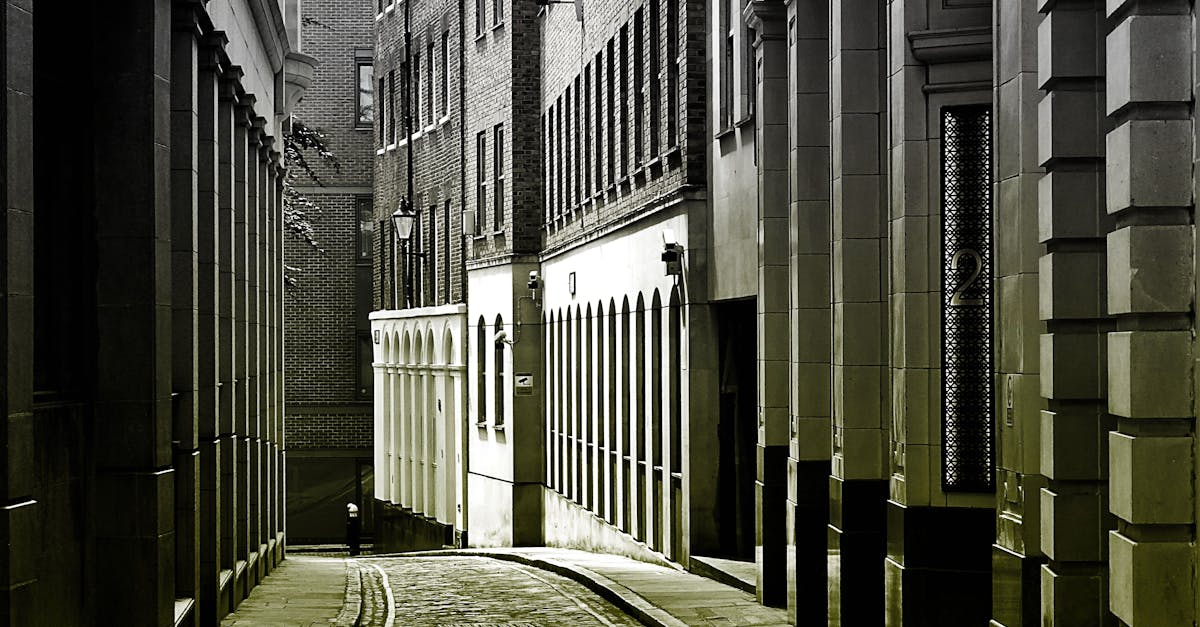
Step back into the shadowy past as you navigate the narrow, winding lanes of Cheapside and the remnants of the old Roman walls, where the ghosts of medieval London still seem to linger. These dark alleys, once the domain of thieves, plagues, and secret societies, offer a chilling yet captivating glimpse into a city that was far less civilized than its modern counterpart. As you walk through areas like Pudding Lane or the cryptic passageways near St. Paul's Cathedral, imagine the flickering torchlight of centuries ago illuminating tales of Jack the Ripper's distant ancestors, haunted monks, and the infamous "Ghosts of London" who supposedly roam these very stones after dusk.
Our guided tours delve deep into these macabre legends, transforming a simple stroll into an immersive journey through time where history meets folklore. You will hear firsthand accounts of the Great Fire of 1666, which erupted from this medieval heartland, and learn about the grim realities of public executions at Tyburn, all while standing in the exact spots where these events unfolded. Whether it is the legend of the White Lady haunting the Tower of London or the mysterious disappearances in the alleyways of Fleet Street, our experts weave together verified historical facts with spine-tingling stories, ensuring you leave with a profound appreciation for the eerie soul of ancient London.
 This photo was taken by SevenStorm JUHASZIMRUS on Pexels.
Royal Residences and Imperial Grandeur on a South Bank Stroll
As you meander along the vibrant South Bank, the Thames serves as a shimmering mirror reflecting London's enduring legacy of royal power and imperial splendor. Just a short walk from the bustling cultural hubs lies the Tower of London, a fortress that has guarded the Crown Jewels for nearly a thousand years, standing as a solemn testament to centuries of monarchs, prisoners, and state secrets. While your gaze is drawn to the iconic silhouette of Big Ben and the Houses of Parliament across the river, these structures represent not just political might but the very heart of the British Empire at its zenith, where every stone whispers tales of coronations, parades, and the grandeur of an age when the sun never set on Britain.
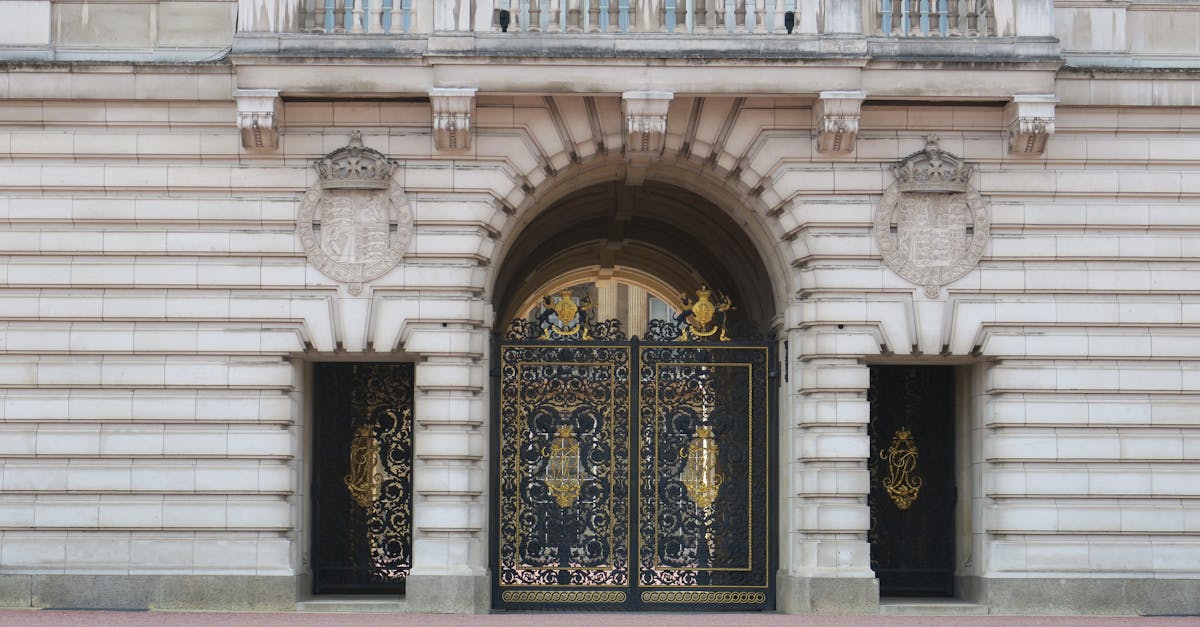
Continuing your stroll towards Westminster Bridge, you are enveloped in an atmosphere of imperial grandeur that defines London's skyline. The approach to Buckingham Palace, though often viewed from a distance here, offers a perfect vantage point to imagine the pomp and circumstance of the Changing of the Guard, a ritual that remains one of the world's most famous displays of royal tradition. This stretch of the riverbank connects the ancient strength of the Tower with the opulent ceremonial life of the monarchy, allowing visitors to walk through history while surrounded by landmarks that have hosted foreign dignitaries, celebrated national triumphs, and witnessed the rise and fall of empires, making every step a journey through the very fabric of British heritage.
 This photo was taken by INDU BIKASH SARKER on Pexels.