Walking Through History: A Self-Guided Tour of the City of London
 This photo was taken by Bob Jenkin on Pexels.
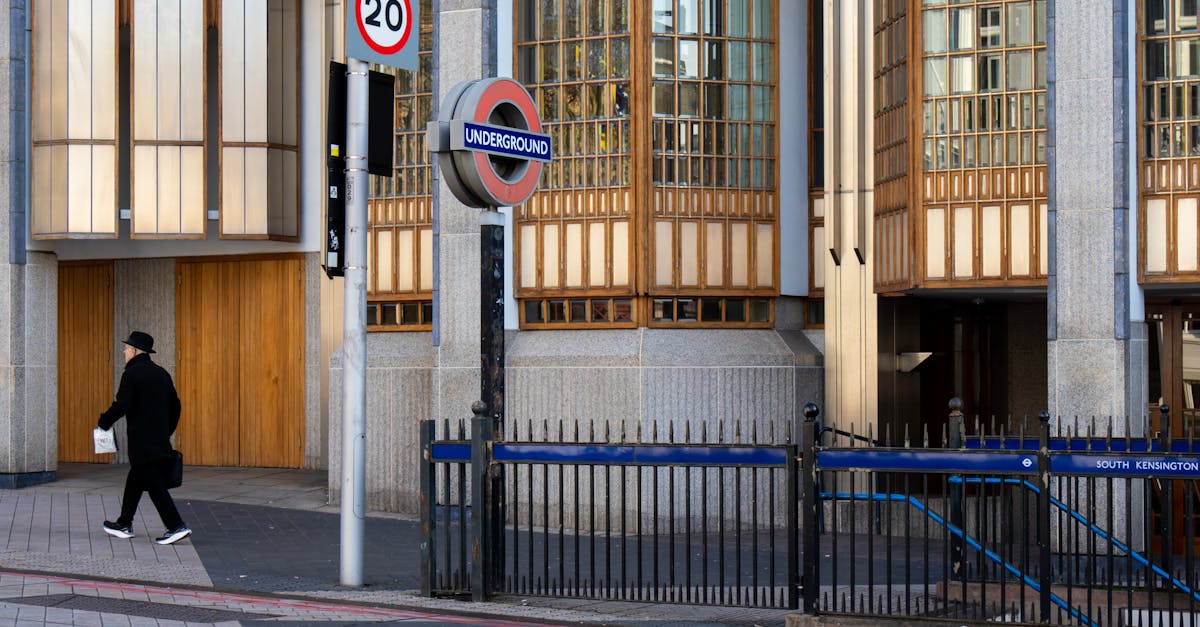
Welcome to the beating heart of England, where every cobblestone whispers a story spanning nearly two millennia. As your local guide, I invite you to step off the beaten path and discover the City of London not just as a financial powerhouse, but as a living museum where ancient history collides with futuristic ambition. In this self-guided journey, we will trace the enduring lines of Roman fortifications, marvel at how the city rose from the ashes of the Great Fire to become a skyline of glass and steel, and uncover the serene secret gardens tucked away behind towering skyscrapers. Lace up your walking shoes; it is time to walk through history and reveal the hidden gems that only the most observant travelers ever find.
The Ancient Heart: Tracing the Roman Walls and Medieval Streets
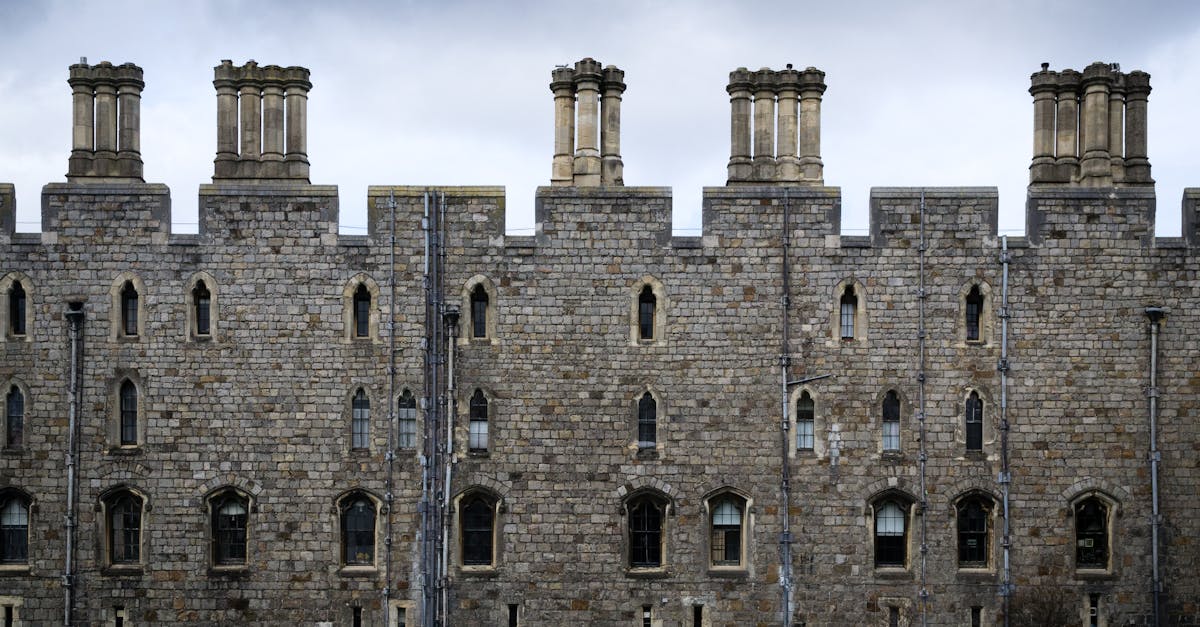
Begin your journey beneath the bustling modern pavement where the true foundations of London lie, tracing the faint but resilient line of the Roman Wall that still encircles the City. As you walk along sections near Tower Hill or Moorgate, you are literally stepping on the same ground as Legio II Augusta nearly two millennia ago, feeling the weight of history in the weathered stones that once defended Britannia's capital. These remnants offer a tangible connection to the city's origins, transforming a simple stroll into an archaeological expedition where every cobblestone whispers tales of ancient soldiers and merchants who first established this vital port.
Moving beyond the Roman perimeter, the narrow, winding alleyways reveal the labyrinthine charm of medieval London, where the street plan has remained largely unchanged since the Middle Ages. Wander through lanes like Cheapside or Threadneedle Street, imagining the bustling markets, the clatter of horse-drawn carriages, and the vibrant guild halls that once defined this economic powerhouse. Here, the architecture tells a story of resilience and rebirth; despite the Great Fire of 1666 and the scars of World War II, the intricate layout preserves the intimate scale of a bygone era, inviting you to pause in hidden courtyards and discover how the heartbeat of the City has continued to pulse through centuries of change.
 This photo was taken by Erik Mclean on Pexels.
Royal Resilience: From the Great Fire to Modern Skyscrapers
Begin your journey by tracing the indomitable spirit of the City, where the ashes of the Great Fire of 1666 still whisper through the cobblestones. As you walk past the humble wooden stumps of Wren's original structures and the grandeur of St Paul's Cathedral, you are walking through a landscape reborn from catastrophe. This era defined London's resilience, transforming a medieval maze into a masterpiece of Baroque architecture that stood as a testament to the city's refusal to be extinguished. The scars of history here are not hidden but celebrated, serving as a reminder that even in the face of total destruction, the heart of London beats with an unyielding determination to rebuild and thrive.
Fast forward through centuries of evolution, and you will find this same tenacity soaring into the modern sky, where glass giants like The Gherkin and The Shard puncture the historic horizon. These architectural marvels do not erase the past; rather, they stand as bold declarations of a city that constantly reinvents itself while honouring its roots. Walking beneath their shimmering facades, you can see how the legacy of survival has evolved into a beacon of innovation, proving that the City of London is a living entity where ancient stone foundations support a dynamic, future-forward skyline. It is a unique dialogue between the old and the new, offering visitors a tangible sense of timelessness amidst rapid change.
 This photo was taken by Михаил Лазаренко on Pexels.
Hidden Gems: Secret Gardens, Forgotten Alleys, and Local Legends
While the grand boulevards of Westminster often steal the spotlight, the true soul of London lies in its secluded sanctuaries and whispering corners that time seems to have forgotten. Venture away from the throngs at St Paul's Cathedral to discover Postman's Park, a tranquil haven where the Glass Bell Memorial honors everyday heroes, or wander into the cobbled silence of Potters Fields, once a burial ground now transformed into a riverside gem with views of Tower Bridge. For those seeking the city's ancient veins, lose yourself in the narrow, shadowed alleys of Cheapside or the labyrinthine streets near Guildhall Yard, where you might stumble upon a medieval well hidden beneath modern pavement or a plaque marking the site of a lost church destroyed in the Great Fire. These quiet interludes offer a profound sense of continuity, allowing you to trace the footsteps of merchants, monks, and monarchs who once navigated these very same stones.
Beyond the physical landscape, every cobblestone in the City of London is steeped in local legends waiting to be heard by the attentive traveler. As you navigate the winding passages, listen for the tales of the ghostly White Lady haunting the corridors of Lincoln's Inn or the mysterious legend of the Corpse Candle, said to appear before a death in the area. The street names themselves are riddles; "Bread Street" whispers of centuries-old bakeries, while "Lombard Street" echoes the financial power that once rivaled kings. Engage with the living history by stopping at a traditional pub like Ye Olde Cheshire Cheese, where Samuel Johnson and Charles Dickens once debated, or seek out the quirky bronze statues tucked away in side courtyards that commemorate eccentric figures from the past. By embracing these stories and secrets, your self-guided tour transforms from a simple walk into an immersive journey through the layers of London's enduring mythology.
 This photo was taken by Caique Araujo on Pexels.