Transport Tips: Navigating the Tube, Buses, and Walking Tours
 This photo was taken by Alexander Taranenko on Pexels.
Welcome to the heart of London, a city where history meets modernity in every cobblestone and corner. Whether you are here for a weekend getaway or an extended stay, understanding how to move around this vibrant metropolis is key to unlocking its full potential. From the iconic red double-decker buses that offer panoramic views of our skyline to the intricate network of the Underground that whisks you beneath the streets in minutes, and finally, the joy of exploring on foot to discover hidden gems tucked away in quiet alleyways, your journey begins with knowing your way around.
In this guide, we will demystify the transport system, helping you navigate peak times like a local, plan the most scenic bus routes, and walk safely through our most charming neighborhoods. Let's get started on making your time in London seamless, memorable, and absolutely unforgettable.
Mastering the Tube: Oyster Cards, Peak Times, and Station Hacks
Mastering London's iconic Underground begins with securing an Oyster card or using a contactless payment method, as these offer the most cost-effective fares compared to single paper tickets. To save money and avoid the crush of commuters, try to travel outside peak hours, which generally run from 6:30 AM to 9:30 AM and 4:00 PM to 7:00 PM on weekdays; traveling during off-peak times not only guarantees a seat but also ensures a more relaxed journey through the city's historic tunnels. Remember that your daily fare is capped automatically once you reach a certain limit, meaning you never pay more than a full-day Travelcard regardless of how many journeys you make.
Navigating the network efficiently requires a few strategic station hacks, such as utilizing the "exit-only" signs to bypass crowded ticket barriers and downloading the official TfL Go app for real-time disruption updates before you even step onto the platform. For those visiting major attractions, consider walking from stations like Westminster or Tower Hill rather than waiting for a train to the next stop, as London's compact layout often makes a scenic stroll faster than the Tube during busy periods. Additionally, always stand on the right side of escalators to allow rushing passengers to pass on the left, a simple courtesy that keeps the flow of millions of daily commuters moving smoothly throughout the capital.
 This photo was taken by Caique Araujo on Pexels.
Riding the Red Buses: Best Views and Route Planning
There is perhaps no more quintessential London experience than riding atop the open-top deck of a classic red Routemaster or modern double-decker bus. For the best panoramic views, I highly recommend hopping on Route 9, which sweeps past the grandeur of Buckingham Palace and St James's Park before winding through Westminster to see the Houses of Parliament and Big Ben from the water's edge. Alternatively, the number 14 offers a scenic journey along the River Thames, providing a unique perspective of the Tower Bridge and the City skyline that you simply cannot get from the underground. To maximize your sightseeing, try to board at the front of the bus for an unobstructed view as you glide past iconic landmarks like Trafalgar Square and the British Museum.
When planning your route, remember that while the Tube is faster for long distances, buses are often the most efficient way to navigate central London during peak hours, especially since they avoid the crowded stations. Utilize the Transport for London (TfL) website or app to check real-time bus arrivals and plan journeys that combine walking with short bus hops; this strategy allows you to soak in the atmosphere of historic neighborhoods like Notting Hill or Chelsea without getting lost in the labyrinthine streets. Be sure to tap your Oyster card or contactless payment device when boarding, as fares are capped daily, making it an incredibly budget-friendly option for tourists eager to explore the city's vibrant streets and hidden gems from above.
 This photo was taken by Erik Mclean on Pexels.
Walking London: Safe Routes, Hidden Gems, and Comfort Tips
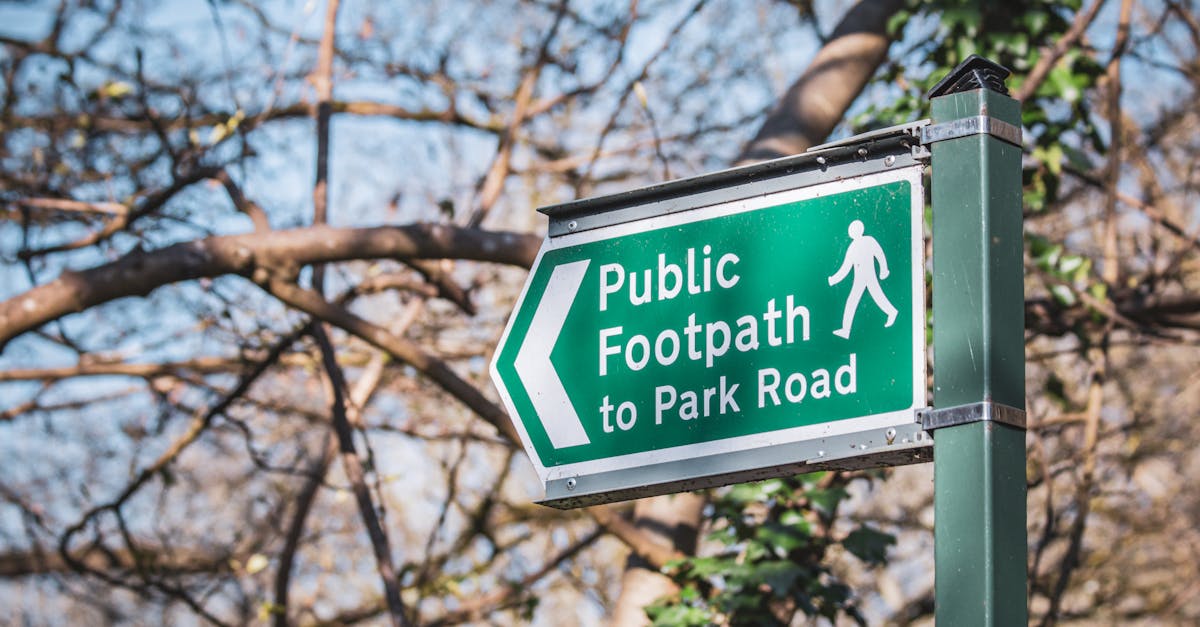
While the iconic red buses and the bustling Underground make up the backbone of London's transport, nothing quite captures the city's soul like walking its historic streets. For those eager to explore on foot, safety is paramount; stick to well-lit main thoroughfares like the South Bank or the Royal Parks after dark, and always keep your belongings secure in crowded areas near major attractions. Beyond the tourist trails lie countless hidden gems waiting to be discovered, such as the atmospheric cobblestone lanes of Seven Dials or the secret garden at St Dunstan-in-the-East, where you can find peace amidst the urban buzz without ever stepping off a pavement.
To ensure your walking adventures remain enjoyable from morning till night, comfort should be your top priority given London's unpredictable weather and vast distances. Invest in a pair of high-quality, broken-in walking shoes rather than relying on new footwear, as you will likely cover miles exploring districts like Shoreditch or Camden. Don't forget to layer your clothing for sudden rain showers and carry a compact umbrella, while also planning your route around frequent rest stops in charming pubs or cafes to recharge. By balancing your itinerary with these practical tips, you'll navigate the city's winding paths with confidence and uncover the authentic character that makes London truly unforgettable.
 This photo was taken by Boys in Bristol Photography on Pexels.