The History Behind London's Most Famous Bridges
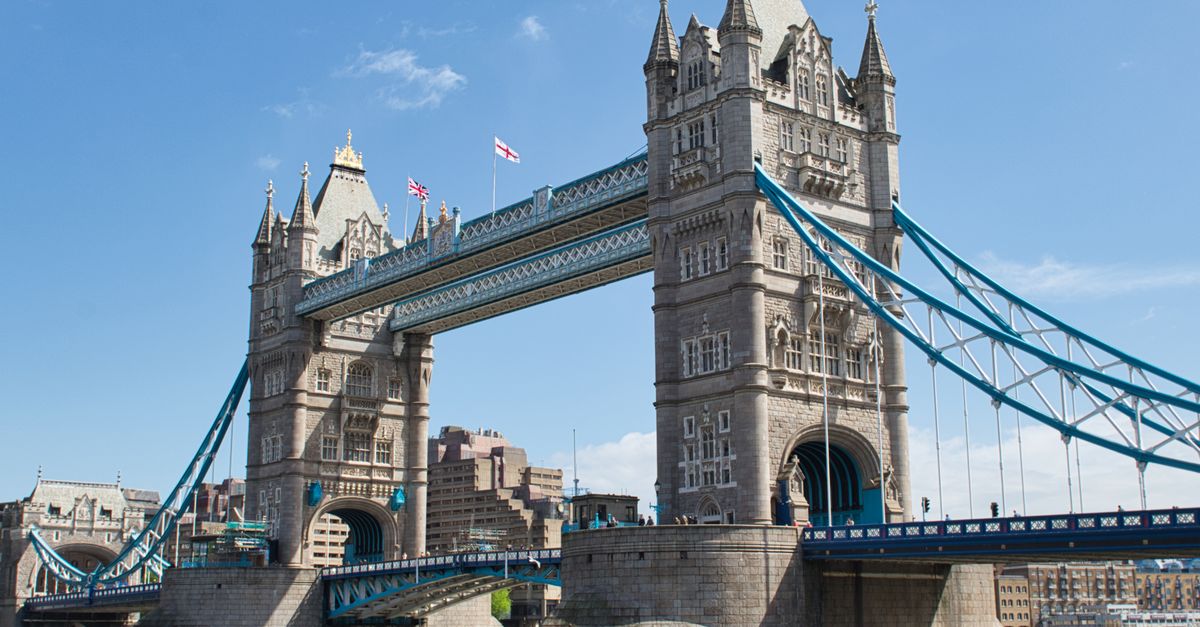 This photo was taken by Thomas K on Pexels.
Welcome, travelers! As you stroll along the banks of the River Thames, you are greeted by a skyline punctuated by some of the most recognizable structures in the world. But have you ever wondered about the stories woven into their stones and steel? From the ancient wooden planks that first connected the city to the Victorian engineering feats that define our modern horizon, London's bridges are more than just crossings; they are living chronicles of our history.
In this post, we will journey through time to uncover the secrets behind these iconic landmarks. We'll explore the medieval roots of the original London Bridge, marvel at the intricate mechanics of Tower Bridge, and trace a fascinating timeline from humble beginnings to global symbols. Get ready to see the city you love with fresh eyes as we dive into the history behind London's most famous bridges.
The Medieval Origins of London Bridge
While the iconic drawbridge of modern pop culture fame is a relatively recent addition to London's skyline, its true medieval roots stretch back nearly two millennia to a time when the Thames was a wild frontier. The original bridge, commissioned by Roman engineers in 43 AD, served as a crucial crossing point that helped transform a small settlement into Londinium, but it was the wooden structure built after the Great Fire of 1097 that truly defined the city's medieval character. For over six hundred years, this stone masterpiece stood as the only permanent crossing over the river, acting not just as a thoroughfare but as a bustling commercial hub lined with shops, chapels, and even a fortified gatehouse that doubled as a prison.
The grandeur of this medieval marvel was eventually overshadowed by the relentless decay of time and the chaotic congestion of daily life, leading to its dramatic demolition in the late 18th century. Before its stones were carted away to build roads in Pennsylvania, the old bridge had become a symbol of both London's resilience and its vulnerability, having survived floods, fires, and political upheavals. Today, visitors can still walk across a new iteration of London Bridge, opened in 1973, but the spirit of the ancient structure lives on in the stories of the merchants who once peddled their wares beneath its arches and the legends of the heads displayed on spikes at its southern end, serving as grim reminders of the city's turbulent past.
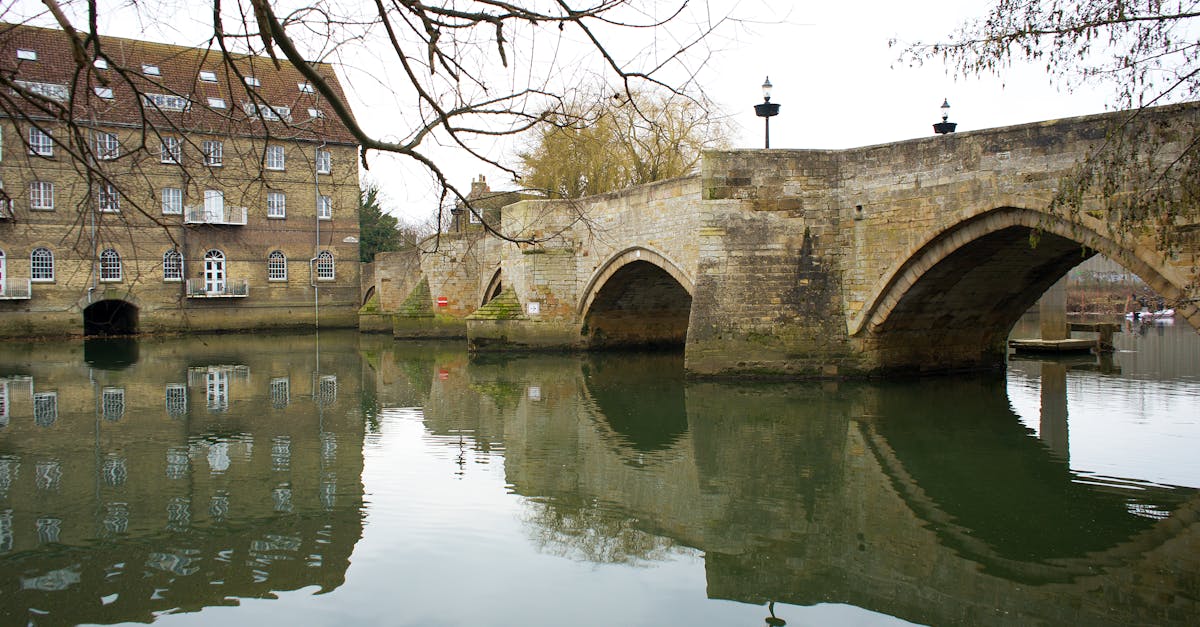 This photo was taken by Mike Bird on Pexels.
Engineering Marvels: The Story of Tower Bridge
Navigating the River Thames, Tower Bridge stands as a testament to Victorian ingenuity, seamlessly blending Gothic aesthetics with cutting-edge hydraulic engineering. Completed in 1894 after a decade of construction, this iconic structure was designed to solve a critical dilemma: how to allow tall ships to reach the bustling docks upstream while maintaining a vital road link for pedestrians and carriages across the river. Unlike its simpler cousin, London Bridge, Tower Bridge features two massive towers connected by high-level walkways and a unique bascule mechanism that allows the central span to lift vertically, a feat that required a complex system of steam-powered engines and counterweights to operate smoothly.
Today, visitors can step inside the bridge's original engine rooms and explore the glass-floored walkways suspended 42 meters above the water, gaining a breathtaking perspective on both the city's skyline and the river below. These walkways offer an intimate look at the intricate machinery that once powered the bridge's movements, now preserved as a museum exhibit that educates guests on the industrial revolution's impact on urban infrastructure. As you watch the bascules rise to let a cruise ship pass or simply admire the stonework from the viewing platform, you are witnessing a living piece of history where architectural grandeur meets functional brilliance, making it truly one of London's most celebrated engineering marvels.
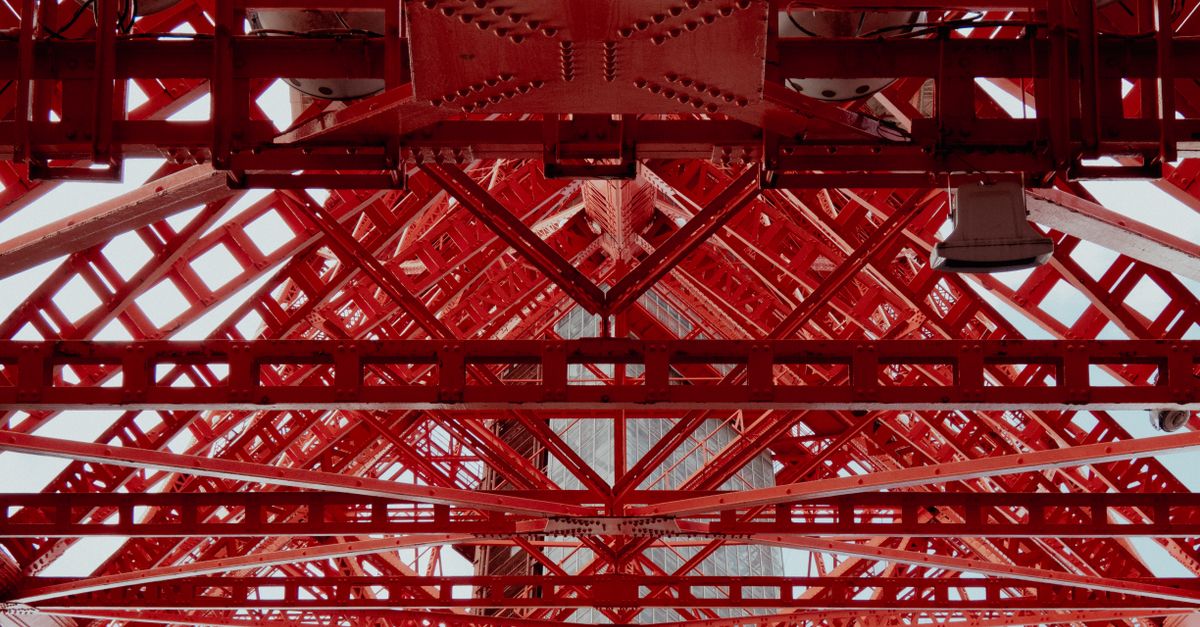 This photo was taken by Muharrem Alper on Pexels.
From Wooden Planks to Iconic Landmarks: A Timeline
The story of London's bridges begins not with stone or steel, but with humble wooden planks that first spanned the River Thames over two millennia ago. The original Roman bridge, constructed around 50 AD, was a vital artery for trade and military movement, yet it proved too fragile to withstand the river's relentless tides and ice, necessitating repeated reconstruction throughout the centuries. By the Middle Ages, London Bridge had evolved into a bustling thoroughfare lined with shops and houses, becoming a microcosm of medieval life where the sounds of commerce mingled with the roar of the water below. This era defined the city's relationship with its river, transforming a simple crossing point into a crowded, chaotic heart of urban existence that stood as a testament to human ingenuity against nature's forces.
As the Industrial Revolution swept through the capital, the narrative of these crossings shifted dramatically from timber to iron and finally to grand architectural marvels. The iconic Tower Bridge, completed in 1894, emerged as the ultimate symbol of Victorian engineering, combining a bascule mechanism for shipping traffic with Gothic-inspired towers that harmonized with the nearby Tower of London. In the modern era, this legacy continues with structures like the Millennium Bridge, which offered a sleek, minimalist aesthetic to connect the Tate Modern with St Paul's Cathedral, proving that while materials have changed, the bridges remain essential connectors of London's history and future. Each stone, girder, and suspension cable tells a tale of resilience, innovation, and the enduring spirit of a city that has continuously reinvented how it crosses its greatest natural barrier.
 This photo was taken by Erik Mclean on Pexels.