The History Behind London's Iconic Red Buses and Black Cabs
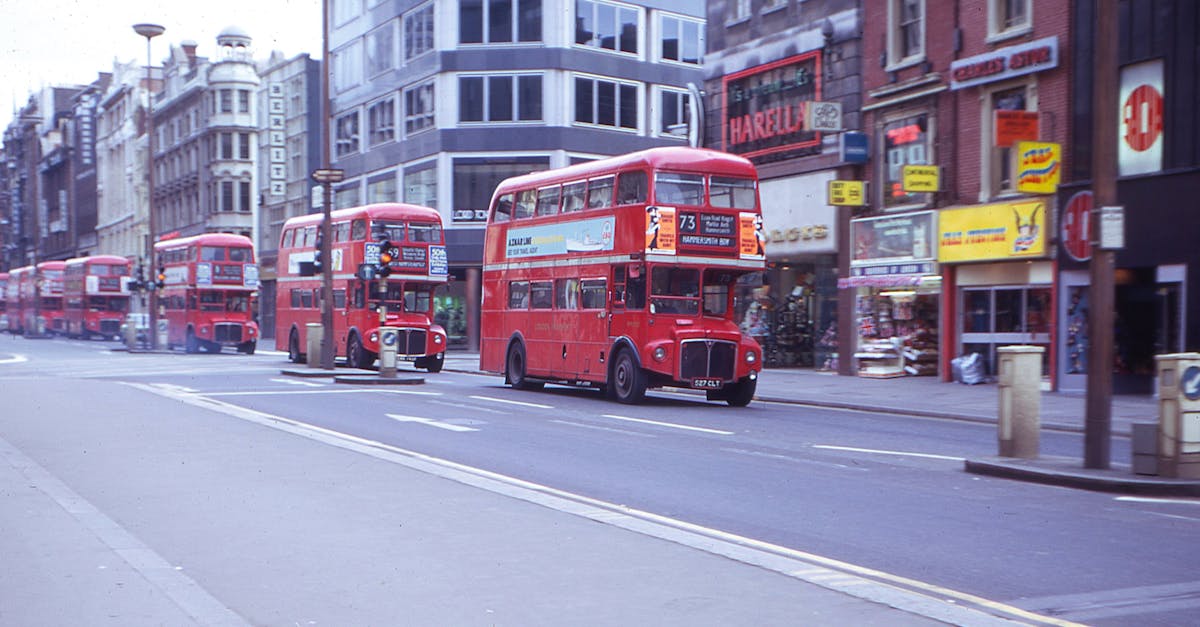 This photo was taken by Malcolm Hill on Pexels.
Welcome to the beating heart of London, where a journey through time is often measured not in miles, but in the iconic red double-deckers and sleek black cabs that define our cityscape. For over a century, these vehicles have been more than just modes of transport; they are living symbols of British resilience, history, and character. Whether you are a first-time visitor or a seasoned traveler, understanding the stories behind these legendary icons adds a rich layer of depth to your exploration of our capital.
In this post, we will peel back the layers of history, tracing the fascinating evolution from humble horse-drawn omnibuses to the world-famous Routemaster buses that once roamed our streets. We will also delve into the intriguing legend of the Black Cab, exploring how Hackney Carriages shaped London's layout and why their unique design remains unmatched today. Finally, we will discuss how this vibrant metropolis balances its deep-rooted traditions with modern innovation, ensuring that these classic symbols continue to thrive for generations to come. Join us as we embark on a colorful ride through the annals of London's most beloved transport.
The Evolution of the Routemaster: From Horse-Drawn Omnibuses to Iconic Red Double-Decker Buses
Before the roar of combustion engines defined London's streets, the city's transport network relied on the rhythmic clatter of horse-drawn omnibuses, which first appeared in the 1820s to connect sprawling districts. These early vehicles were rudimentary and often uncomfortable, yet they laid the essential groundwork for a unified public transit system that would eventually revolutionize urban living. As the Industrial Age accelerated, the demand for faster, more reliable connections grew, leading to the transition from animal power to steam and then petrol-powered motors in the late 19th century. This pivotal shift marked the beginning of a new era, setting the stage for the engineering marvels that would soon become synonymous with the British capital.
The iconic red double-decker Routemaster, introduced in 1956, stands as the crowning achievement of this evolutionary journey, blending robust design with the unique charm of open rear platforms where conductors once collected fares and greeted passengers. For decades, these buses served as a mobile symbol of London, weaving through historic squares and bustling markets while offering tourists an unparalleled vantage point of the city's architectural heritage. Although modern electric fleets are slowly replacing them to meet contemporary environmental standards, the Routemaster remains a beloved cultural icon, its vibrant crimson hue instantly recognizable across the globe as the heartbeat of London's transport history.
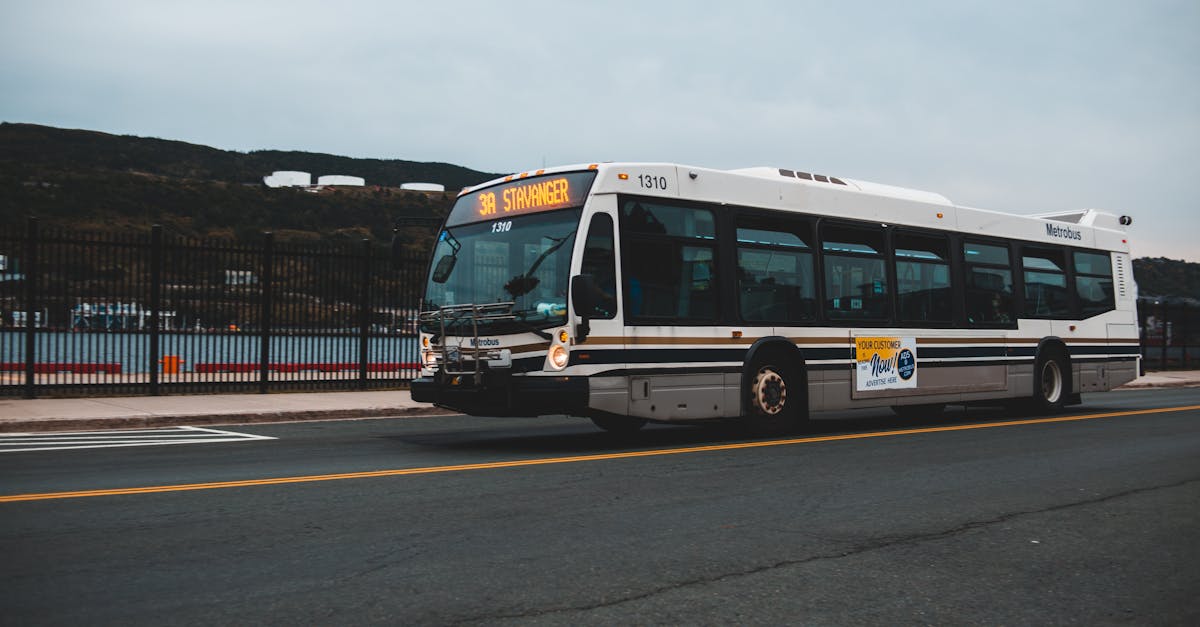 This photo was taken by Erik Mclean on Pexels.
The Legend of the Black Cab: How Hackney Carriages Shaped London's Streets
Steeped in over three centuries of history, the iconic black cab, officially known as the Hackney carriage, is far more than just a mode of transport; it is a rolling symbol of London's resilience and character. Originating from King Charles II's decree in 1662 that licensed carriages could ply the streets for hire, these vehicles have long been the city's most trusted navigators. Unlike their counterparts elsewhere, they are required to carry passengers regardless of distance or destination, a unique privilege that has cemented their status as a public utility rather than a mere luxury service. Their distinctive silhouette, with its high roofline and boxy rear, was originally designed to accommodate top hats and umbrellas, yet today they stand as a timeless fixture against the backdrop of modern metropolis traffic.
The true magic of the black cab lies in the rigorous training required to drive one, famously known as "The Knowledge." This legendary exam forces aspiring drivers to memorize every street, alley, and landmark within a six-mile radius of Charing Cross, along with thousands of points of interest, all without the aid of GPS. This deep, intuitive understanding of the city's labyrinthine layout allows cabbies to weave through congested thoroughfares with an uncanny efficiency that defines the London experience. While the fleet is now transitioning towards electric models like the LEVC TX, the spirit of the original hackney remains unchanged, continuing to shape the rhythm of the streets and offering visitors a glimpse into the very soul of London.
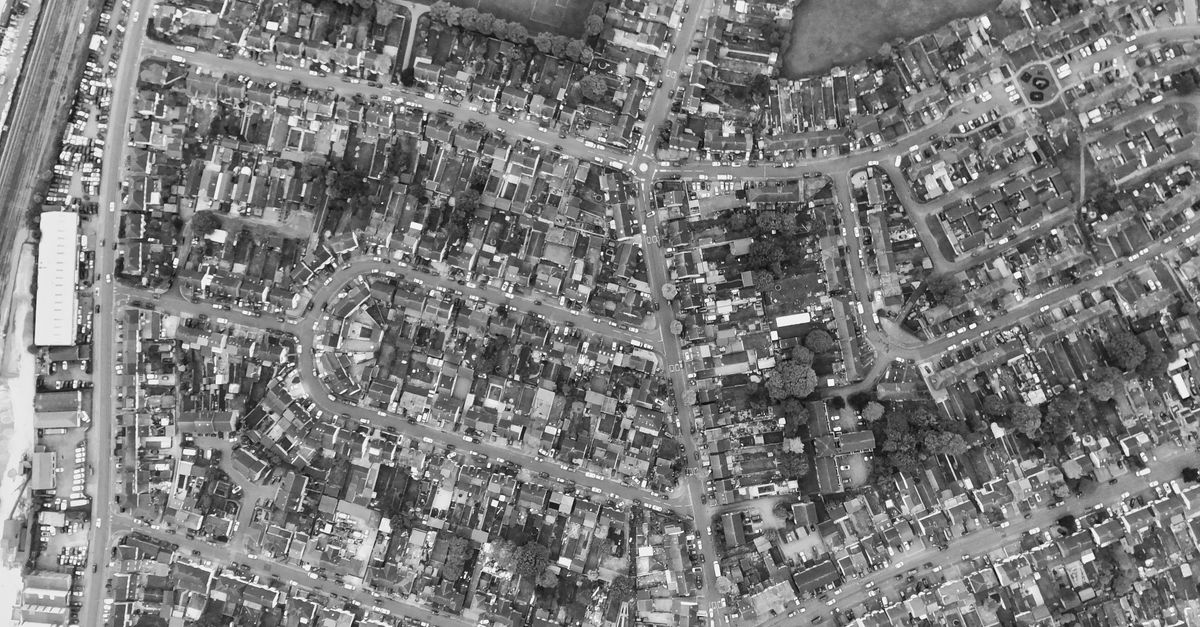 This photo was taken by Altaf Shah on Pexels.
Preserving Tradition in a Modern City: The Future of London's Classic Transport
As London hurtles toward a carbon-neutral future, the city faces the unique challenge of modernizing its transport while honoring the vibrant heritage that defines it. The iconic red Routemaster buses, once a symbol of bustling mid-century life, are being reimagined with electric powertrains and low-floor accessibility, ensuring they remain a staple for both residents and visitors without compromising on sustainability. Similarly, the legendary black cabs are undergoing a technological revolution; the traditional TX4 models are giving way to sleek, zero-emission electric versions like the LEVC TX, yet they retain their distinctive silhouette and the rigorous knowledge test that ensures drivers are living libraries of the capital's winding streets. This careful balance allows the city to embrace green innovation without erasing the visual identity that has captivated tourists for over a century.
The preservation of these classic modes of transport is not merely about aesthetics but about maintaining a tangible link to London's storied past within its ultra-modern skyline. By retrofitting historic routes and integrating them seamlessly into new digital payment systems, Transport for London ensures that the experience of riding a bus or hailing a cab remains authentically British even as the vehicles themselves evolve. For the tourist, this means that every journey offers a seamless blend of cutting-edge convenience and nostalgic charm, where the rumble of an electric engine under a vintage red roof or the smooth glide of a silent black cab through the foggy streets continues to tell the ongoing story of a city that respects its roots while confidently stepping into tomorrow.
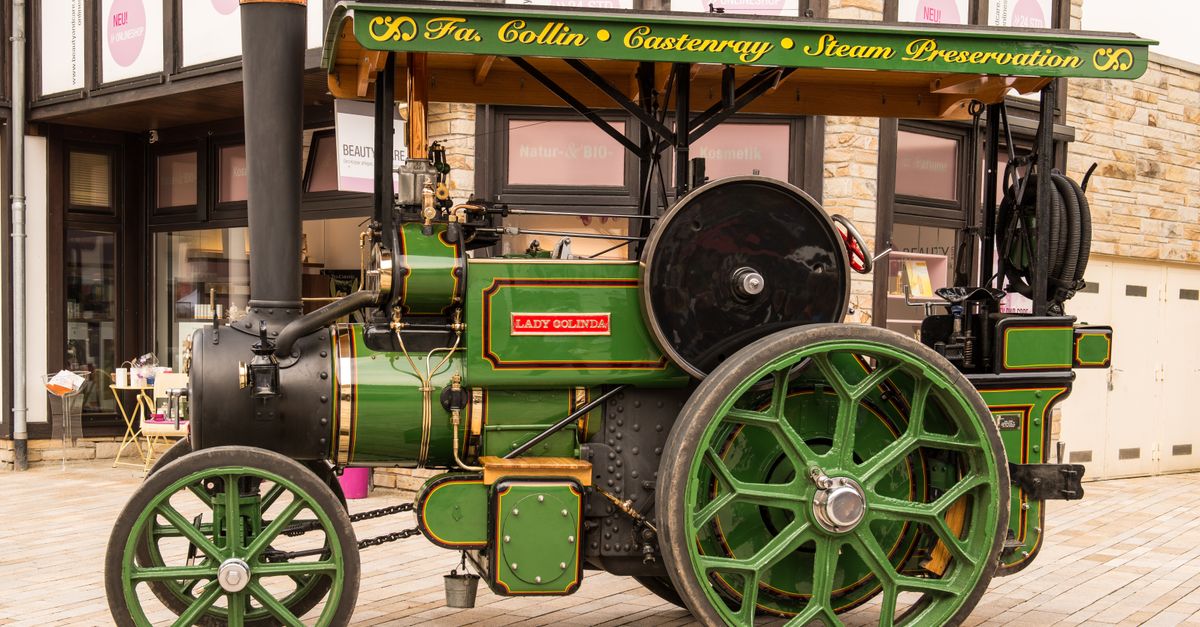 This photo was taken by Wolfgang Weiser on Pexels.