The British Museum: What You Need to Know Before You Go
 This photo was taken by Erik Mclean on Pexels.
Welcome to the heart of London, where history comes alive in the grand halls of the British Museum. As one of the world's most famous institutions, it houses an incredible collection spanning two million years of human history and culture, offering a journey through time that is simply unmatched. Whether you are captivated by ancient civilizations or eager to uncover hidden treasures, this guide will ensure your visit is seamless and unforgettable. Before you step inside to explore wonders like the Rosetta Stone and Egyptian mummies, read on for essential insights on opening hours, entry fees, and smart strategies to navigate the galleries without getting lost.
Must-See Highlights: From Rosetta Stone to Egyptian Mummies
Begin your journey through ancient civilizations by stepping into the Enlightenment Gallery to see the legendary Rosetta Stone, the key that unlocked the secrets of hieroglyphs and stands as a cornerstone of our collection. This massive slab of black granodiorite is not just a historical artifact but a testament to human ingenuity, offering visitors a rare chance to stand before the very object that allowed scholars to finally read the inscriptions of the pharaohs. After marveling at this linguistic miracle, make your way to the Egyptian Sculpture Gallery, where you will encounter the awe-inspiring mummies wrapped in linen bandages that have rested for millennia. These preserved bodies, including the famous "Younger Lady" and the priestly figures, provide a haunting yet fascinating glimpse into the ancient Egyptians' profound beliefs about the afterlife, allowing you to walk among history's most mysterious guardians.
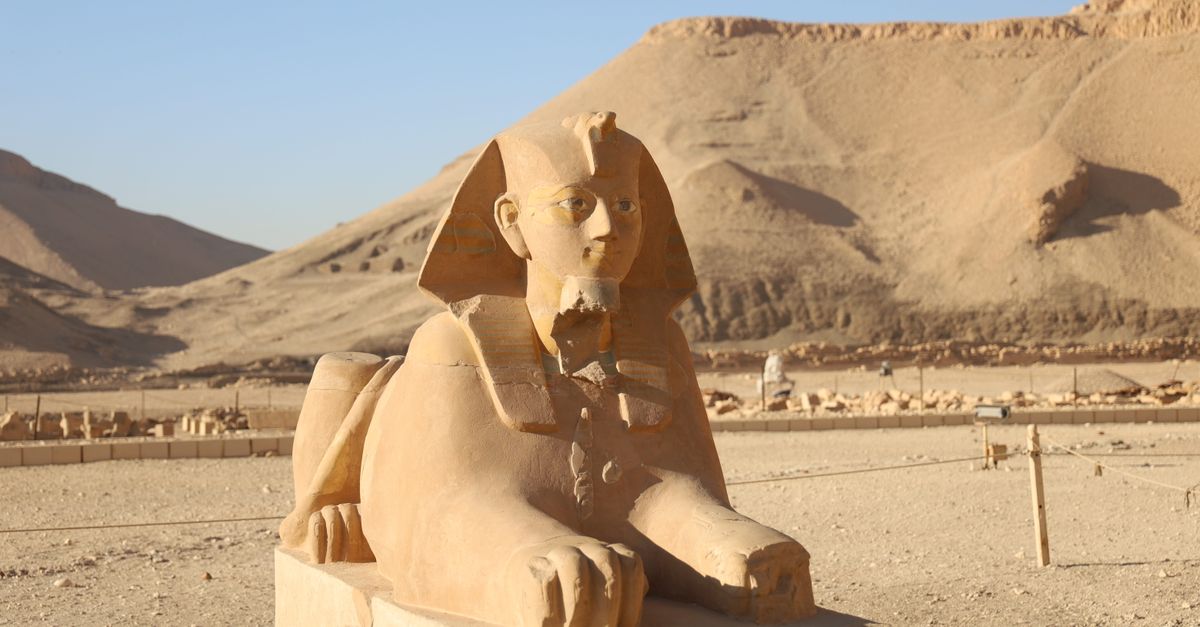 This photo was taken by Mason Naja on Pexels.
Practical Tips: Opening Hours, Entry Fees, and Best Times to Visit
The British Museum is a beacon of history that welcomes visitors daily from 10:00 AM to 5:30 PM, with Friday evenings extending until 8:30 PM for a quieter, atmospheric experience. Entry to the permanent collections is completely free, though you may wish to book a timed ticket online in advance during peak summer months or school holidays to guarantee your spot and avoid long queues at the entrance. While there are no charges for the main galleries, special exhibitions do require an admission fee, so it is wise to check their current programme before planning your itinerary.
To make the most of your visit, aim to arrive right when the doors open at 10:00 AM or later in the afternoon around 4:00 PM to beat the midday crowds, particularly if you want to explore popular rooms like the Rosetta Stone gallery without jostling for space. Weekdays generally offer a more relaxed pace compared to weekends, making them ideal for families and solo travellers alike who wish to linger over the vast treasures on display. Remember that the museum closes promptly at 5:30 PM (or 8:30 PM on Fridays), so plan your route carefully to ensure you don't miss any of the world's greatest artefacts before the gates close.
 This photo was taken by Evgeniy Lejnev on Pexels.
Navigating the Gallery: How to Plan Your Route Without Getting Lost
To make the most of your visit to the British Museum, it is wise to treat the vast collection not as a maze to be conquered in one go, but as a curated journey with a clear beginning and end. Start by identifying your "must-see" highlights on the official map before you arrive; iconic treasures like the Rosetta Stone, the Elgin Marbles, and the Lewis Chessmen are often located in central galleries, making them perfect anchor points for your route. By focusing on just two or three specific wings—such as the Enlightenment Gallery or the Egyptian Sculpture rooms—you can avoid the common tourist trap of wandering aimlessly through hundreds of years of history without seeing what truly captivates you.
Once inside, remember that the museum's layout is designed around a central Great Court, which serves as an excellent orientation hub if you feel overwhelmed by the sheer scale of the building. Use the free audio guide or the interactive digital maps available at the entrance to plot a logical path that minimizes backtracking, perhaps starting at the top floor and working your way down to ensure you don't miss any hidden gems tucked away in quieter corners. If you find yourself veering off course, simply head back to the main concourse where the glass roof provides a clear visual reference point, allowing you to reorient yourself quickly and continue your exploration with confidence rather than confusion.
 This photo was taken by Oleksiy Yeshtokyn,🌻🇺🇦🌻 on Pexels.