The Best Time to Visit London: Weather, Crowds, and Events
 This photo was taken by Caique Araujo on Pexels.
Navigating London's Seasonal Weather Patterns
London's weather is famously unpredictable, often shifting from sunshine to a gentle drizzle within the span of an hour, so packing layers is your best defense against the elements. Spring (March to May) offers a delightful awakening with cherry blossoms in Hyde Park and mild temperatures perfect for walking along the Thames, though rain remains a frequent companion. As summer arrives in June through August, days stretch longer with warmer highs ideal for outdoor festivals and rooftop drinks, yet this peak season also brings the highest volume of tourists and crowded attractions.
For those seeking a quieter experience without sacrificing comfort, late autumn (October to November) presents a magical atmosphere as the city transforms into a tapestry of fiery reds and golds, while winter (December to February) introduces crisp air and festive lights, albeit with shorter daylight hours and colder winds. While no time guarantees dry skies, visiting during the shoulder seasons of spring or early autumn typically provides the most balanced mix of manageable crowds, pleasant weather for sightseeing, and vibrant local events, allowing you to truly soak in the capital's charm without battling the extremes of peak holiday travel.
 This photo was taken by Ylanite Koppens on Pexels.
Avoiding the Rush: Understanding Crowd Cycles
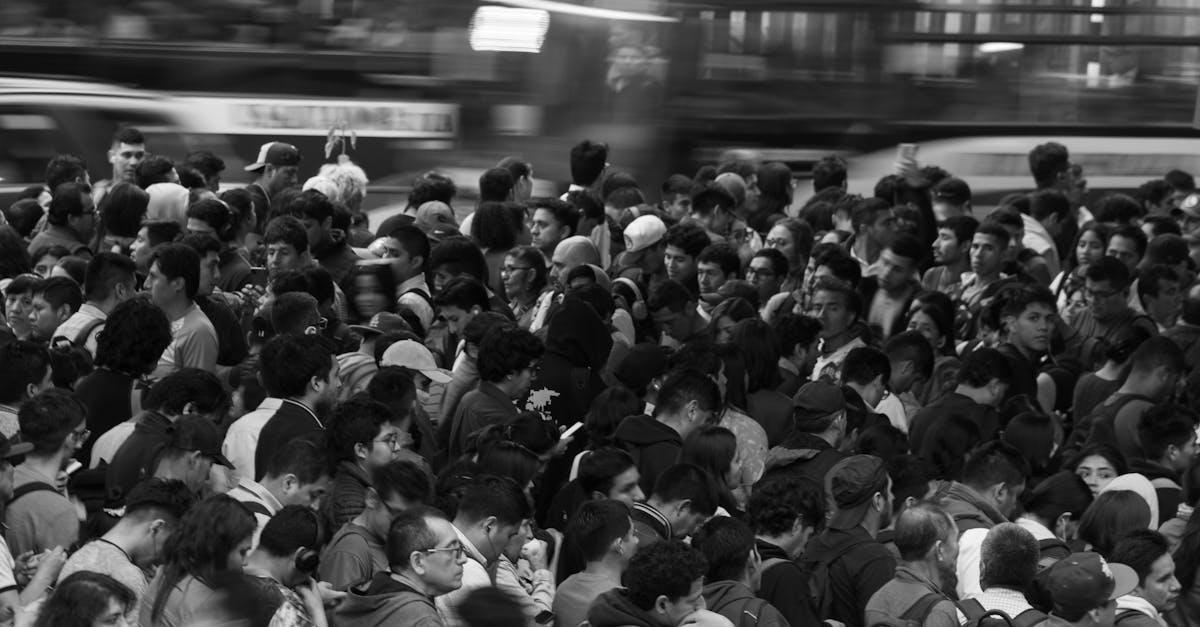
One of the most common pitfalls for first-time visitors is underestimating London's intense crowd cycles, which often peak during school holidays and major public events. The city becomes particularly congested at iconic sites like the Tower of London, Westminster Abbey, and the British Museum between 10:00 AM and 2:00 PM, especially from late July through August when domestic and international tourism surges. To truly experience these landmarks without feeling jostled in a sea of tourists, aim to arrive right at opening time or wait until the afternoon lull after the midday rush subsides. By aligning your schedule with these natural ebb and flow patterns, you can secure better photo opportunities and enjoy a more relaxed pace while exploring the capital's historic treasures.
Beyond daily fluctuations, understanding seasonal crowd trends is equally crucial for planning an efficient itinerary. While summer offers long daylight hours, it also brings the highest density of visitors, whereas the shoulder seasons of April to May and September to October offer a sweet spot where the weather remains pleasant but the queues are significantly shorter. Conversely, visiting during the festive period in December means braving the crowds drawn by Christmas markets and New Year's celebrations, though this adds a magical atmosphere that many find worth the hustle. By strategically choosing your travel dates and being mindful of these cyclical patterns, you can navigate London like a local, ensuring your trip is defined by memorable experiences rather than waiting in line.
 This photo was taken by Luiggi Castillo on Pexels.
A Calendar of Unmissable Events and Festivals
London truly comes alive with a vibrant rhythm of celebrations that span the entire year, ensuring there is always something spectacular to experience regardless of your arrival date. In late spring and early summer, the city transforms for Notting Hill Carnival, Europe's largest street festival, where colorful floats and pulsating Caribbean music fill the streets of West London. As autumn approaches, the iconic Trooping the Colour ceremony offers a dazzling display of royal pageantry in June, while the Thames Festival in September turns the riverfront into a hub of art, food, and performance. Winter brings its own magic with the Christmas markets at Hyde Park and Somerset House, creating a festive atmosphere complete with twinkling lights, mulled wine, and handcrafted gifts that capture the quintessential holiday spirit.
Beyond these major spectacles, London's cultural calendar is dotted with niche events that offer unique insights into the city's diverse character. The First Sunday of October marks the Open House London weekend, granting free access to hundreds of historic buildings, government institutions, and architectural marvels usually closed to the public. For sports enthusiasts, the Wimbledon Tennis Championships in July provide a chance to witness world-class competition on grass courts, while the New Year's Day Parade along the Embankment kicks off the year with a thunderous display of marching bands and giant puppets. By aligning your visit with these dates, you can immerse yourself in the local culture beyond the typical tourist sights, experiencing the dynamic energy that makes London a year-round destination.
 This photo was taken by Towfiqu barbhuiya on Pexels.