The Best Time of Year to Visit London: Weather, Crowds, and Events
 This photo was taken by momentsbymanan on Pexels.
Navigating London's Fickle Weather: A Seasonal Guide
London's weather is famously unpredictable, often shifting from sunshine to a gentle drizzle within the span of an hour, so packing layers is your most essential strategy regardless of the season. Spring and autumn offer the city's most temperate days, where temperatures hover comfortably between 10°C and 15°C, allowing you to explore open-air attractions like Hyde Park or stroll along the South Bank without the biting chill of winter or the stifling heat of midsummer. While summer brings longer daylight hours perfect for evening festivals, it can also bring sudden downpours that require a compact umbrella and a waterproof jacket to be at hand; conversely, winter days are short but magical, especially when the city is decked out in festive lights, though you will need to bundle up against the damp cold that seeps through the historic cobblestones.
Understanding these seasonal shifts helps you align your itinerary with both the climate and the local rhythm of life, ensuring you avoid the peak tourist crowds while still catching major events. If you prefer mild weather and fewer visitors, aim for late April or early October, times when the city buzzes with energy but the queues at top attractions are significantly shorter than in July or August. However, if you are drawn to vibrant cultural spectacles, plan your visit around key dates like the Chelsea Flower Show in May or the spectacular New Year's Eve fireworks over the Thames in December, accepting that these popular periods come with higher accommodation costs and busier streets. By embracing London's fickle nature rather than fighting it, you transform potential weather disruptions into part of the authentic charm of your British adventure.
 This photo was taken by Andrea Piacquadio on Pexels.
Beat the Tourist Rush: When Crowds Are at Their Thinnest
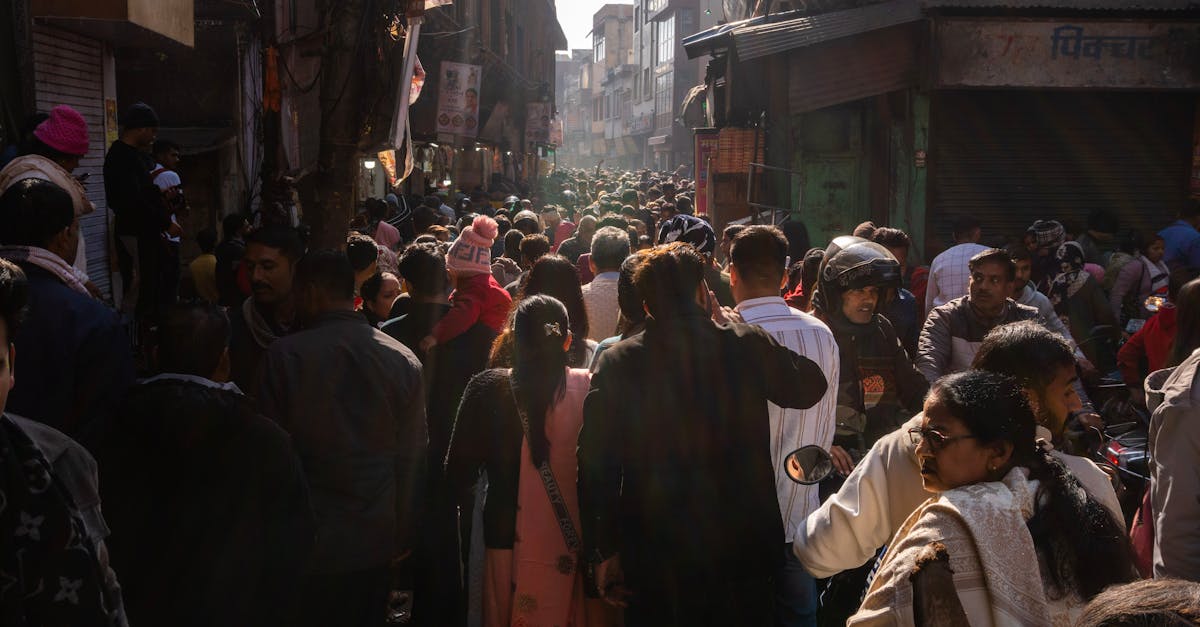
To truly escape the throngs of visitors queuing for hours at iconic landmarks like the Tower of London or Buckingham Palace, aim your visit during the "shoulder seasons" of late April to early June or September to mid-October. During these months, the weather in London is often mild and pleasant, perfect for leisurely strolls through Hyde Park or along the South Bank, yet the summer holiday rush has not yet begun or has already subsided. You will find significantly shorter lines at major attractions, allowing you to soak in the atmosphere of places like Westminster Abbey or the British Museum without the constant jostling that characterizes the peak summer months.
If you prefer a quieter experience even outside the traditional shoulder seasons, consider visiting during the depths of winter from January to February, excluding the festive period. While temperatures can drop and days are shorter, this is when London transforms into a magical city with fewer crowds and lower accommodation rates, offering a more authentic glimpse into local life. The famous Christmas markets have vanished by then, leaving you free to explore world-class galleries and cozy pubs in peace, while the city's lights and festive decorations linger just long enough to create a serene, almost intimate ambiance that is impossible to find during the height of tourist season.
 This photo was taken by Giuseppe Di Maria on Pexels.
A Year-Round Calendar of Festivals and Cultural Events
London truly comes alive throughout the year, offering a dynamic calendar of festivals that cater to every season and interest. As spring arrives, the city bursts into bloom with the vibrant Notting Hill Carnival preparations and the serene beauty of the Chelsea Flower Show in May, while summer transforms Trafalgar Square and Hyde Park into stages for free concerts and outdoor cinema under the stars. The autumn months bring a sophisticated air with the London Film Festival and the spectacular fireworks displays celebrating Guy Fawkes Night on November 5th, ensuring that even as the days grow shorter, the cultural energy remains at its peak.
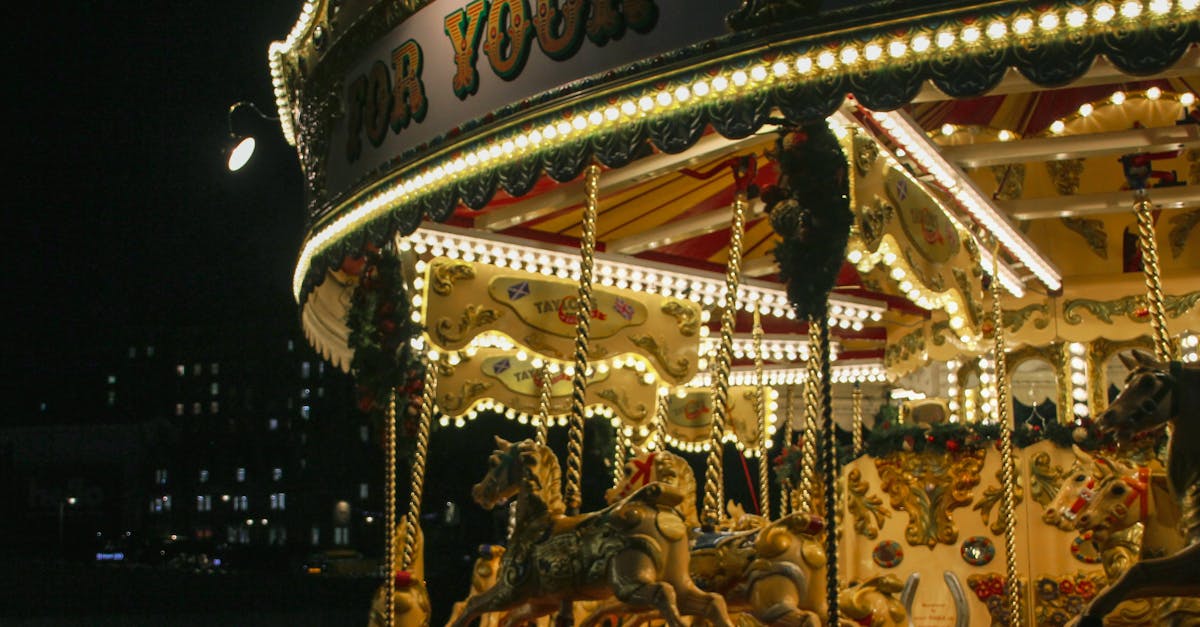
When winter settles over the capital, it does not mean a quiet period; instead, London embraces the festive spirit with world-renowned Christmas markets, such as those at Winter Wonderland in Hyde Park and the magical lights along Regent Street. From New Year's Day Parade to the eclectic mix of art and music during London Fashion Week in February, there is always something happening that draws both locals and visitors together. By planning your trip around these recurring events, you can experience the authentic rhythm of London life, enjoying the unique atmosphere each month offers without worrying about missing out on the city's most celebrated traditions.
 This photo was taken by Oriel Frankie Ashcroft on Pexels.