Royal History on Display: Inside Buckingham Palace and the Tower of London
 This photo was taken by Ollie Craig on Pexels.
Welcome to the heart of British heritage, where centuries of monarchy and military might converge in two of London's most iconic landmarks. Whether you are a history buff or simply captivated by the pageantry of royalty, this journey takes you behind the velvet ropes of Buckingham Palace and through the ancient stone walls of the Tower of London. From the opulent splendor of the State Rooms to the terrifying grandeur of the Crown Jewels, and culminating in the rhythmic precision of the Changing of the Guard, we invite you to step into a living story that has shaped our world. Prepare to uncover the legends, secrets, and royal traditions that make these sites the crown jewels of London tourism.
The State Rooms: A Glimpse into the Monarch's Private World
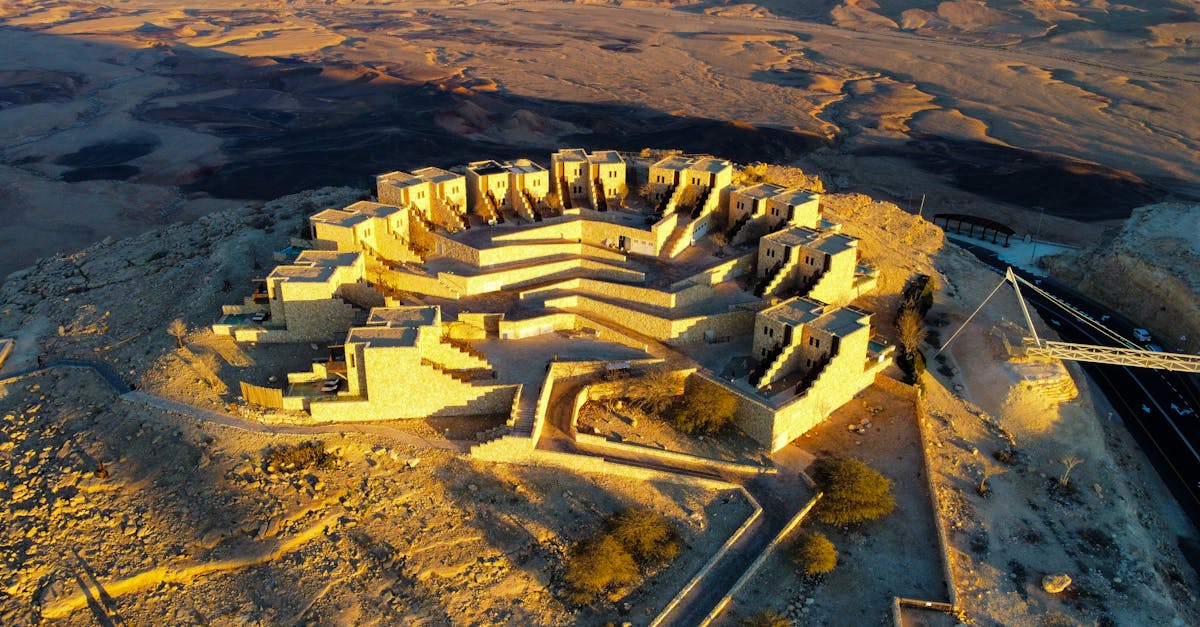
Step into the breathtaking State Rooms, where the grandeur of the British monarchy unfolds in a spectacular display of art, history, and opulence. As you wander through these eighteen rooms open to the public each summer, you will be surrounded by masterpieces from the Royal Collection, including works by Rembrandt, Rubens, and Canaletto, all set against walls draped in exquisite silk tapestries and floors adorned with intricate parquet patterns. This exclusive access offers a rare glimpse behind the closed doors of the official residence, allowing you to walk the same corridors used for state banquets and royal audiences, feeling the weight of centuries of tradition under the shimmering crystal chandeliers that illuminate the space.
Beyond the visual splendor, the State Rooms provide an intimate connection to the personal life of the Sovereign, revealing how the Monarch balances ancient ceremonial duties with modern living. While the Tower of London guards the Crown Jewels with solemn vigilance, the palace interiors showcase the monarch's private world through carefully curated exhibits of royal memorabilia, furniture, and decorative arts that tell stories of coronations, weddings, and diplomatic gatherings. It is here that you can truly appreciate the enduring legacy of the House of Windsor, understanding not just the power of the institution, but also the human element that has guided it through two millennia of changing times.
 This photo was taken by Lio Voo on Pexels.
The Crown Jewels and Medieval Fortifications of the Tower
The Crown Jewels and Medieval Fortifications of the Tower
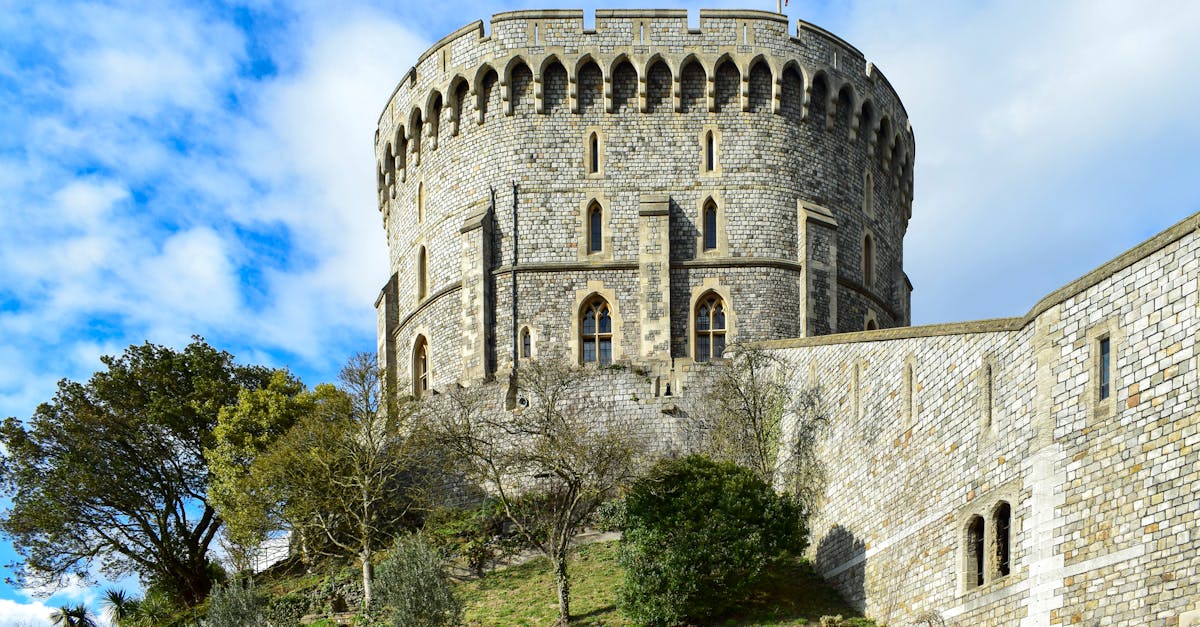
Nestled within the shadow of the White Tower, the Jewel House offers a dazzling glimpse into the monarchy's most precious assets, where the Imperial State Crown studded with over 3,000 gems rests alongside the historic Coronation Spoon. These regalia are not merely objects of beauty but potent symbols of continuity, guarded fiercely by the legendary Yeoman Warders who share tales of intrigue and execution as you walk through the fortress walls. The journey begins at the entrance to this ancient stronghold, where the imposing medieval architecture serves as a stark reminder of its dual role as a royal palace, a prison for high-profile captives like Anne Boleyn, and an impenetrable defense against invaders.
As you traverse the cobbled courtyards and climb the ramparts, the sheer scale of Henry III's fortifications becomes apparent, showcasing the strategic military genius that has protected London for nearly a thousand years. The sight of the ravens, believed to be essential to the kingdom's survival according to prophecy, adds a touch of mystique to the stone battlements, while the blood-stained Traitor's Gate whispers stories of those who entered in chains and never left. This unique blend of opulent display and grim history creates an atmosphere unlike any other in London, inviting visitors to reflect on the enduring power of the Crown amidst the very stones that have witnessed centuries of triumph and tragedy.
 This photo was taken by ALENA MARUK on Pexels.
Changing of the Guard: Ceremonies and Legends
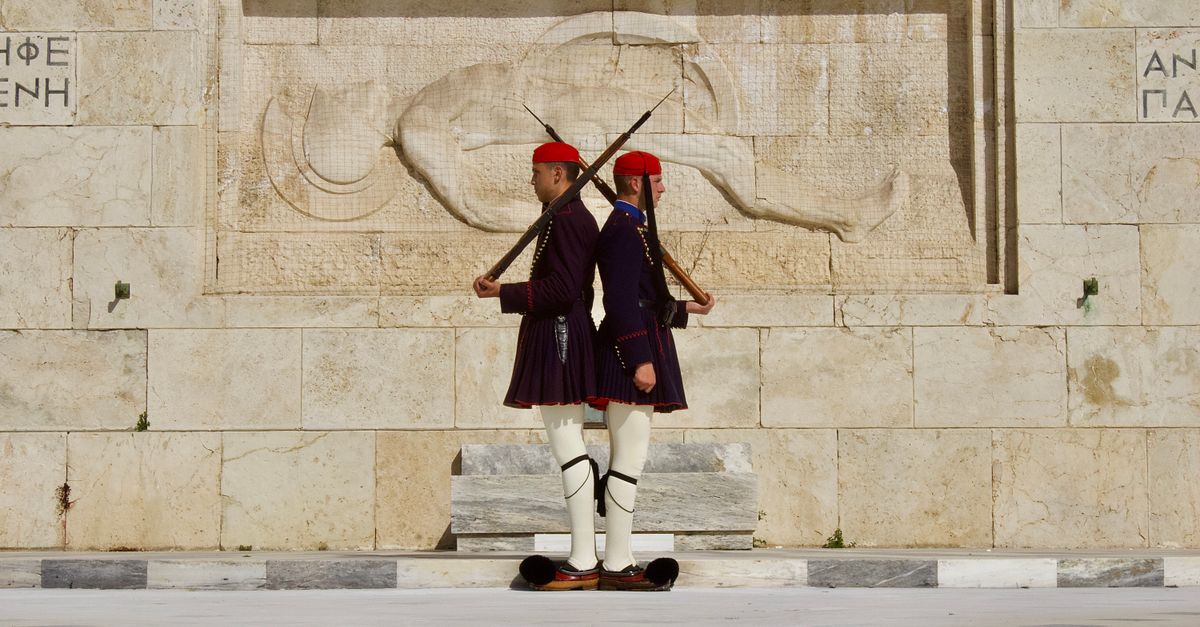
At the heart of London's royal spectacle stands the Changing of the Guard, a meticulously choreographed ceremony that has captivated visitors for centuries. Held daily at Buckingham Palace during the summer months and on alternate days in winter, this event transforms the forecourt into a stage of pageantry where the King's Life Guards, clad in their iconic bearskin hats and scarlet tunics, march to the stirring sounds of the Queen's Guard Band. While the strict protocols and rhythmic drumming evoke a sense of timeless tradition, the ceremony is also steeped in legend; locals whisper that the guardsmen are chosen not just for their height but for their stoic ability to remain motionless for hours, embodying an unbreakable spirit that has stood guard over monarchs since the 17th century.
The echoes of these royal rituals extend beyond the palace gates to the formidable walls of the Tower of London, where the legacy of the monarchy intertwines with darker tales of intrigue and survival. Here, the Yeoman Warders, or "Beefeaters," serve as both guardians and storytellers, recounting legends of the Tower's infamous prisoners, including the mysterious fate of the Princes in the Tower, while leading tours through the Crown Jewels. Unlike the polished performance at Buckingham, the atmosphere at the Tower feels charged with history, where every stone seems to hold a secret and the changing of the watch is less a public show and more a solemn reminder of the enduring power and peril inherent in England's royal past.
 This photo was taken by Léana Desole on Pexels.