Royal History Unveiled: Inside the Tower of London and Buckingham Palace
 This photo was taken by Mario Spencer on Pexels.
Guardians of the Crown: The Tower's Dark Secrets and Treasures
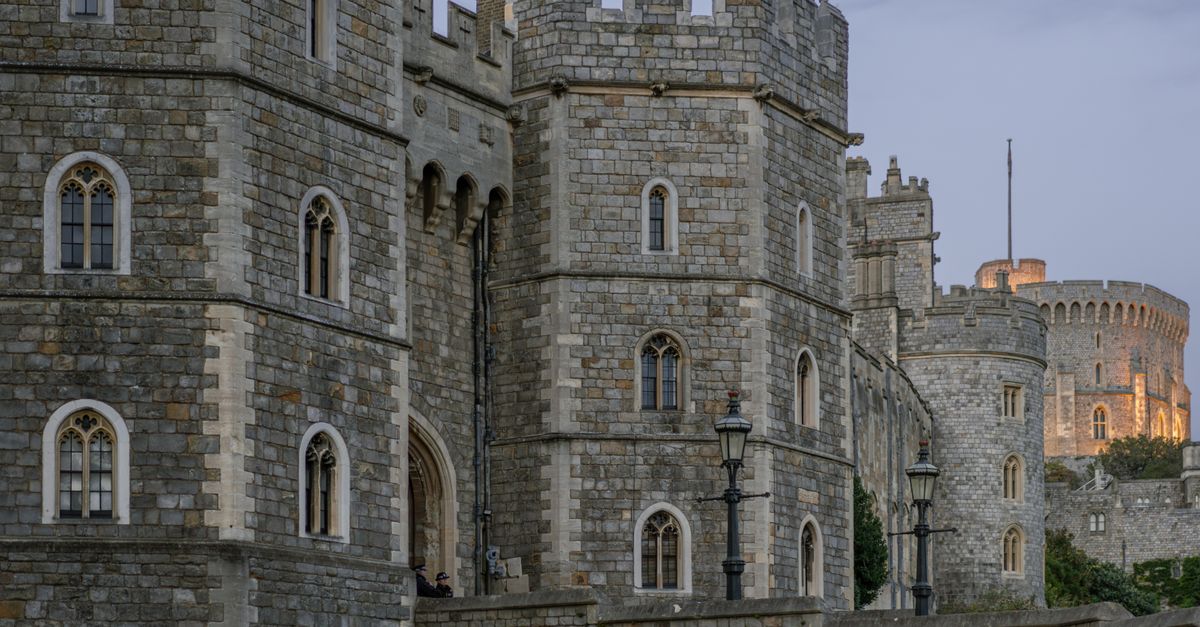
Beneath the imposing stone walls of the Tower of London lies a labyrinthine history where power and peril intertwine, earning it the title of "Guardians of the Crown." For nearly a thousand years, this fortress has served as a royal palace, a notorious prison, and an execution ground, holding within its shadows the tragic fates of figures like Anne Boleyn and Sir Thomas More. Visitors today can still feel the chill of the Bloody Tower and walk the same corridors where whispers of treason once echoed, yet these dark secrets are balanced by the Tower's most glittering treasures: the Crown Jewels. The dazzling display includes the Sovereign's Sceptre with the Great Star of Africa and the Imperial State Crown, which sparkle under modern lights but have witnessed centuries of coronations, wars, and political upheavals that shaped the very nation you are exploring.Beyond the immediate grandeur, the Tower guards stories that range from the macabre to the miraculous, including the legend of the ravens whose presence is said to keep the kingdom safe from falling should they ever depart. These mythical guardians, tended by the Yeoman Warders in their striking Tudor uniforms, add a layer of mystique to the site that transcends mere tourism. While Buckingham Palace represents the living heart of the monarchy with its state rooms open for summer tours, the Tower offers a more visceral connection to the raw, often brutal reality of British royalty. It is a place where the crown's weight was felt not just in ceremony, but in blood and iron, making it an essential stop for any traveler seeking to understand the complex duality of London's past—a city built on both glorious triumphs and somber sacrifices. This photo was taken by Da Na on Pexels.
The Changing of the Guard: A Royal Ritual at Buckingham Palace
Standing before the magnificent gates of Buckingham Palace, visitors are often mesmerized by the rhythmic precision of the Changing of the Guard, a centuries-old ceremony that brings the British monarchy to life. This daily ritual, performed when the Queen is in residence and during specific summer months even without her presence, showcases the ceremonial pomp of the Foot Guards as they hand over command of the palace with military flair. Dressed in their iconic scarlet tunics and towering bearskin hats, the soldiers march to the stirring sounds of the Band of the Household Division, creating an unforgettable spectacle that draws crowds from around the world eager to witness this living piece of history.
While the changing of the guard is undeniably the highlight for many tourists, it is essential to arrive early to secure a good viewing spot along the railings or within the palace forecourt, where the atmosphere buzzes with anticipation. Beyond the visual grandeur, the ceremony offers a unique glimpse into the traditions that have defined the British Army's ceremonial duties for generations, blending pageantry with strict discipline. Whether you are capturing the moment on camera or simply soaking in the regal ambiance, this event serves as a perfect introduction to London's royal heritage, seamlessly connecting the ancient customs of the past with the vibrant energy of modern-day tourism.
 This photo was taken by Erik Mclean on Pexels.
From Medieval Fortress to Modern Residence: Two Eras of British Royalty
The Tower of London stands as a stoic sentinel of England's tumultuous past, its ancient stone walls once echoing with the cries of prisoners and the clatter of medieval executioner's axes. Built by William the Conqueror in 1066, this formidable fortress served not only as a royal palace but also as a grim prison for high-profile captives like Anne Boleyn and Lady Jane Grey, cementing its reputation as a place where royal fortunes could vanish overnight. Walking through the White Tower today, visitors are transported back to an era of brutal power struggles and feudal intrigue, where the monarchy was forged in blood and iron, leaving behind a legacy that is both haunting and historically profound.
In stark contrast, Buckingham Palace represents the gleaming face of modern British royalty, evolving from a grand townhouse into the official London residence of the Sovereign since Queen Victoria's reign in 1837. Here, the atmosphere shifts from the somber history of the Tower to one of ceremonial splendor and public engagement, highlighted by the world-famous Changing of the Guard and the opulent State Rooms used for hosting dignitaries and national celebrations. While the Tower reminds us of the monarchy's dangerous origins, the Palace showcases how the institution has adapted over centuries to become a beloved symbol of continuity, tradition, and the enduring charm of contemporary British life.
 This photo was taken by Valentine Kulikov on Pexels.