Royal History Unveiled: Everything You Need to Know Before Visiting Buckingham Palace
 This photo was taken by Ollie Craig on Pexels.
The Changing of the Guard: Timing and Traditions
Witnessing the Changing of the Guard at Buckingham Palace is a quintessential London experience that blends military precision with centuries-old pageantry, but timing is everything to ensure you don't miss the spectacle. The ceremony typically takes place on Mondays, Wednesdays, Fridays, and Sundays at 11:00 AM, though these schedules can vary during special occasions or due to weather conditions, so it is wise to check the official Royal Collection Trust website before your visit. Arriving at least 30 minutes early allows you to secure a good viewing spot along the palace railings or in Green Park, where you can soak in the atmosphere as the band plays while the new guard marches from Wellington Barracks to take over duty from the old.
While the visual drama of the marching soldiers and the crisp uniforms captures the imagination, the traditions behind this ritual are deeply rooted in British history and serve both ceremonial and practical purposes. Originally established to maintain order and security within the royal residence, the changing of the guard has evolved into a symbol of national pride and continuity, showcasing the disciplined heritage of the Foot Guards regiments. Even if the full musical performance is sometimes cancelled due to inclement weather, the core exchange of keys and the solemn handover often proceed, offering visitors a genuine glimpse into the living history that continues to define the monarchy today.
 This photo was taken by HONG SON on Pexels.
Inside the State Rooms: A Royal Tour
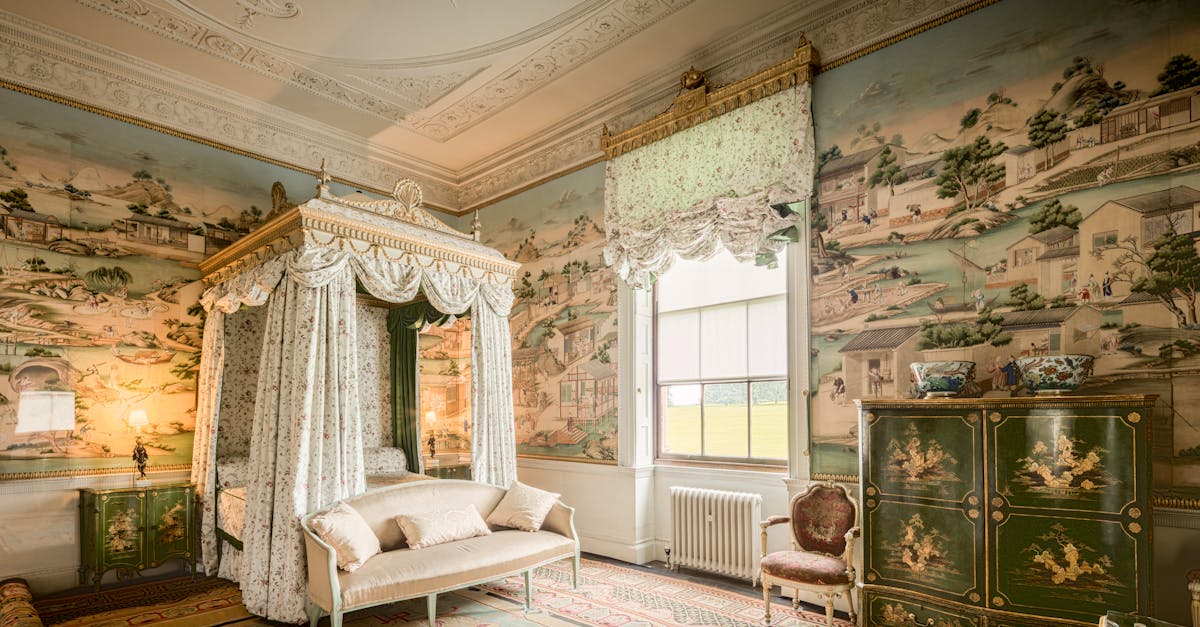
Stepping into the State Rooms, you are immediately transported back to an era of grandeur where British royalty has hosted heads of state and celebrated national milestones for centuries. These twelve rooms, open to the public only during the summer months when the Royal Family is in residence at Windsor Castle, showcase some of the finest art in the world, including masterpieces by Rembrandt, Rubens, and Canaletto. As you wander through the Throne Room with its opulent gold leaf detailing or the Music Room where royal banquets once took place, keep your eyes peeled for the intricate ceiling frescoes and the stunning chandeliers that illuminate the space, offering a glimpse into the lavish lifestyle that defines the monarchy's ceremonial duties.
While exploring these magnificent halls, remember that every object tells a story of diplomatic history and cultural heritage, from the priceless porcelain collections to the historic carpets woven specifically for royal occasions. The tour concludes in the Picture Gallery, a breathtaking corridor lined with portraits of monarchs dating back to William III, serving as a visual timeline of England's rich past. Although photography is strictly prohibited inside the State Rooms to protect the artworks and maintain the solemn atmosphere, the experience of walking through these hallowed corridors leaves an indelible impression, making it clear why Buckingham Palace remains the beating heart of the United Kingdom's constitutional monarchy.
 This photo was taken by Michael D Beckwith on Pexels.
Hidden Gems and Practical Visitor Tips
While the State Rooms and the Changing of the Guard draw the crowds, true magic often lies in the quiet corners surrounding this iconic landmark. Just beyond the palace gates, take a leisurely stroll through St James's Park, where you can spot playful pelicans and enjoy unobstructed views of the palace façade from the water's edge—a perfect spot for photography without the congestion. For a deeper dive into royal intrigue, consider visiting the nearby Queen Victoria Memorial or exploring the hidden courtyards of Buckingham Palace itself during special opening days, which are rarely advertised but offer intimate access to spaces usually reserved for the monarch. Additionally, don't miss the opportunity to peek at the Royal Mews, located just around the corner, where you can see the magnificent carriages used by the royal family and even ride in the Glass Coach yourself.
To ensure your visit is as seamless as it is memorable, timing is everything; arrive early, ideally before 9:30 AM, to beat the tour groups and secure a better vantage point for the Changing of the Guard ceremony outside the main gates. Remember that security checks are rigorous, so leave large bags and luggage at your hotel or use the left luggage facilities at nearby stations to avoid long delays at the entrance. Dress comfortably for walking on the extensive grounds, but be mindful that smart casual attire is recommended if you plan to enter the State Rooms. Finally, check the official website for seasonal closures and special events, as the palace opens its doors to the public only during specific summer months and for Christmas-themed tours, making advance booking essential to avoid disappointment.
 This photo was taken by Quang Nguyen Vinh on Pexels.