Royal History: Inside the Tower of London and Buckingham Palace
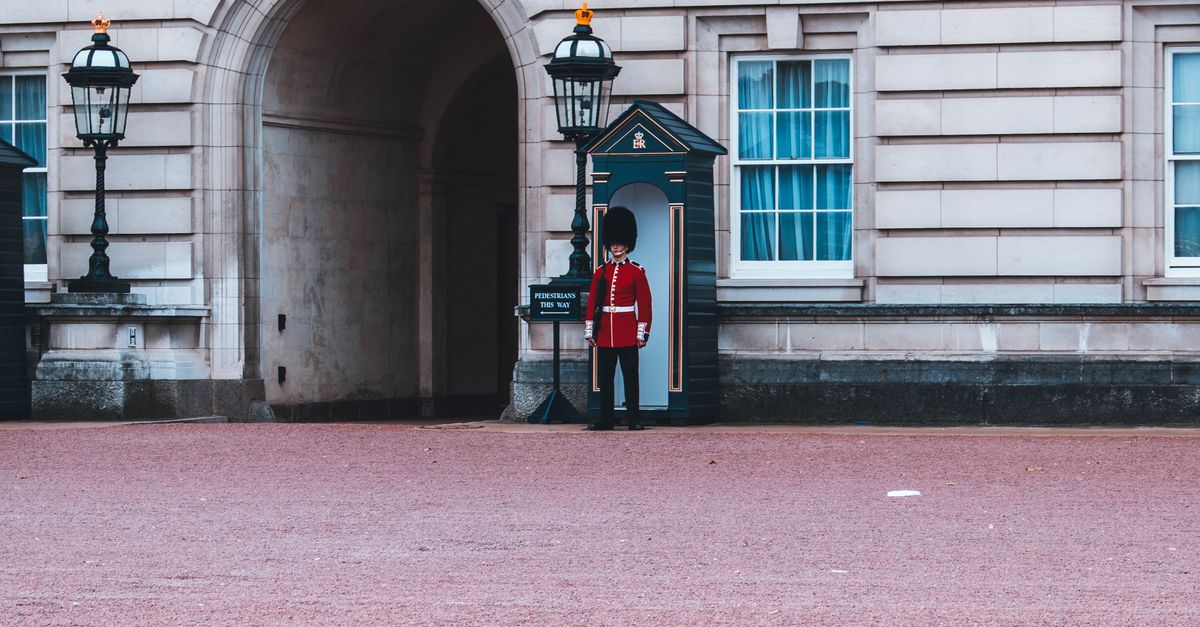 This photo was taken by Roméo A on Pexels.
Welcome to the beating heart of British monarchy, where centuries of drama unfold within ancient stone walls. In this post, we embark on a journey through two of London's most iconic landmarks: the Tower of London and Buckingham Palace. From the chilling tales hidden beneath the ramparts of the Tower to the glittering pageantry of the Changing of the Guard, you will discover how these sites have evolved from medieval fortresses into cherished royal residences. Prepare to marvel at the Crown Jewels, uncover dark secrets of the past, and experience the living history that defines our capital city.
This photo was taken by Roméo A on Pexels.
Welcome to the beating heart of British monarchy, where centuries of drama unfold within ancient stone walls. In this post, we embark on a journey through two of London's most iconic landmarks: the Tower of London and Buckingham Palace. From the chilling tales hidden beneath the ramparts of the Tower to the glittering pageantry of the Changing of the Guard, you will discover how these sites have evolved from medieval fortresses into cherished royal residences. Prepare to marvel at the Crown Jewels, uncover dark secrets of the past, and experience the living history that defines our capital city.
The Crown Jewels and the Tower's Dark Secrets
At the heart of the Tower's enduring legacy lies the Crown Jewels, a dazzling collection of regalia that has guarded the British monarchy for centuries. Visitors are greeted by the awe-inspiring Imperial State Crown, studded with over 3,000 gemstones including the legendary Cullinan II diamond, all displayed within the glittering Jewel House under the watchful eyes of the Beefeaters. However, beyond this opulent facade, the Tower whispers tales of its darker past, serving as a grim prison and execution ground where luminaries like Anne Boleyn and Sir Walter Raleigh met their fates. As you wander through the shadowy walls of the Bloody Tower or stand beneath the infamous Traitor's Gate, the air seems heavy with the echoes of betrayal and sorrow, offering a haunting reminder that while the Crown represents glory, the stone walls have witnessed profound tragedy.
The juxtaposition of royal splendor and historical darkness creates a unique atmosphere that defines the Tower of London experience, distinguishing it from the more polished grandeur of Buckingham Palace. While the palace showcases the current monarch's public face through the Changing of the Guard and state rooms filled with priceless art, the Tower invites you to peel back the layers of history to find the grit beneath the gold. It is here, in the dimly lit corridors and the dark moat, that one truly understands the price of power; the very stones that hold the crown jewels also held the heads of those who challenged the throne. This duality makes the Tower not just a museum of artifacts, but a living testament to the complex and often brutal reality of British royal history, ensuring that every visitor leaves with a deeper appreciation for the resilience of the institution they admire.
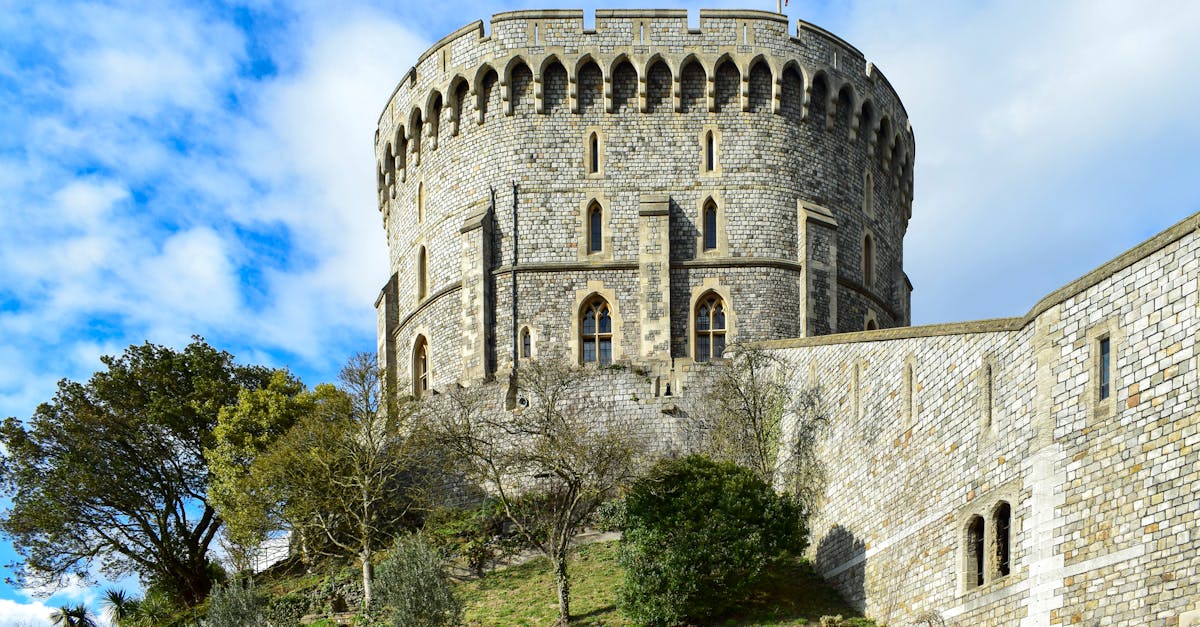 This photo was taken by ALENA MARUK on Pexels.
Changing of the Guard: Life at Buckingham Palace
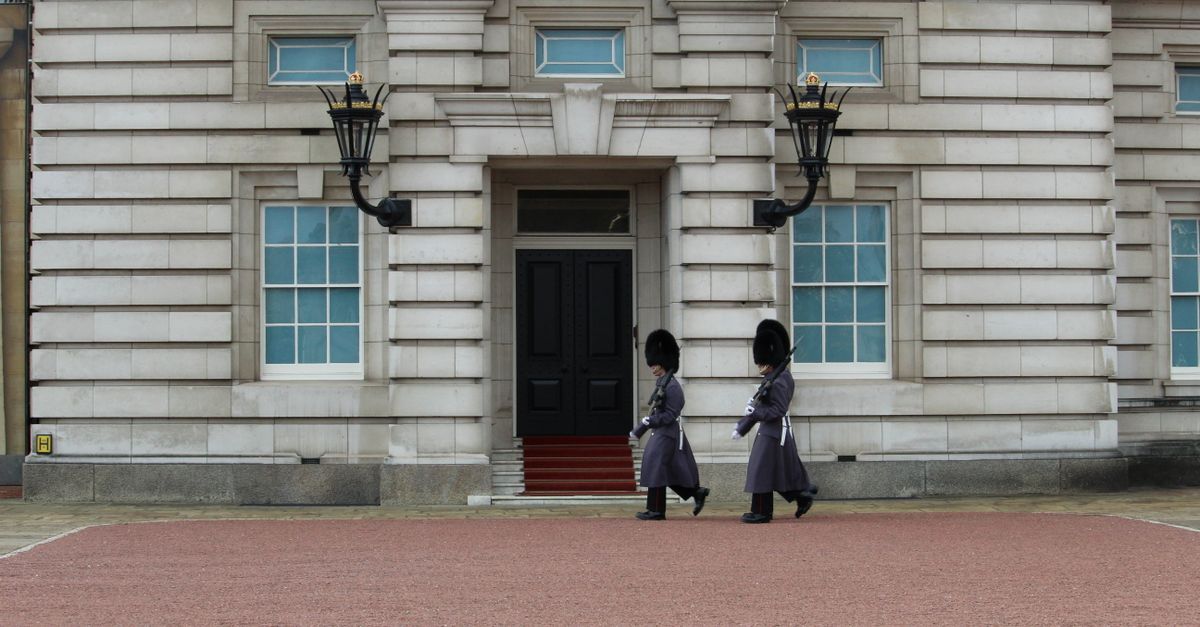
While the Tower of London offers a glimpse into centuries of imprisonment and execution, nothing quite captures the pageantry of modern British monarchy like the Changing of the Guard at Buckingham Palace. This iconic ceremony, taking place daily (weather permitting) from April to July and on alternate days for the rest of the year, is a vibrant spectacle where the precision of the Foot Guards in their distinctive bearskin hats and scarlet tunics meets the rhythmic beat of military bands. As you stand behind the palace gates or along The Mall, you can witness the formal handover of responsibility between the Old and New Guards, a tradition dating back to 1660 that has evolved into one of the world's most famous tourist attractions, drawing thousands who brave the crowds to see this living piece of history unfold.
Beyond the ceremonial drama, visiting Buckingham Palace provides a unique opportunity to step inside the official residence of the Monarch during the summer months when the State Rooms are open to the public. Here, amidst opulent gilded ceilings, priceless artworks, and grand chandeliers, you can explore the very spaces where state banquets are held and royal audiences take place, offering a rare look at the domestic life of the royal family. Whether you are watching the guards march out with their bayonets gleaming under the sun or marveling at the lavish interior decorations, the experience serves as a powerful reminder of the enduring legacy and continuous evolution of the British Crown right in the heart of London.
 This photo was taken by Funky MojoJojo on Pexels.
From Medieval Fortress to Royal Residence
Stepping through the ancient gates of the Tower of London, you are immediately transported back to 1066 when William the Conqueror erected this formidable stone fortress to assert his authority over a conquered city. For centuries, its massive walls echoed with the sounds of royal courts, prison cells holding infamous figures like Lady Jane Grey, and the clanging of blacksmiths forging weapons for war. What began as a brutal stronghold designed to intimidate has slowly transformed into a symbol of enduring power, where the Crown Jewels now gleam behind bulletproof glass in the White Tower, serving as a dazzling reminder of the monarchy's unbroken lineage that stretches from medieval times to the present day.
In stark contrast yet equally steeped in grandeur, Buckingham Palace stands today as the official London residence of our monarch, having evolved from a modest townhouse known as Buckingham House into the opulent palace we admire today. While the Tower represents the martial origins of royal power, the Palace embodies the ceremonial heart of modern Britain, with its State Rooms opening their doors to thousands of visitors annually who marvel at priceless art collections, chandeliers, and the famous Changing of the Guard. Together, these two landmarks offer a complete narrative of English royalty, illustrating the journey from a defensive medieval citadel to the glittering stage upon which the nation's most significant traditions are performed.
 This photo was taken by Susanne Jutzeler, suju-foto on Pexels.