Photography Guide: Capturing the Perfect Shot at Tower Bridge
 This photo was taken by Lars Amos on Pexels.
Welcome to the beating heart of London, where history meets modernity in a spectacular display of engineering and beauty. As your local guide, I cannot imagine a more iconic backdrop for your travel photography than Tower Bridge. Standing proudly over the River Thames, this Victorian masterpiece offers endless opportunities to capture the magic of our city, from the shimmering reflections at dawn to the dramatic silhouettes against a sunset sky. Whether you are a seasoned photographer or just snapping memories with your smartphone, this guide is designed to help you navigate the best vantage points and lighting conditions. Get ready to master the art of framing, timing, and composition as we explore how to capture the perfect shot at one of London's most beloved landmarks.
Golden Hour Glow: Timing Your Visit for Best Light
Timing your visit to Tower Bridge during the golden hour, that magical window shortly after sunrise or before sunset, transforms this iconic structure into a living canvas of warm amber and soft rose hues. As the sun dips low over the River Thames, the light bathes the Victorian ironwork in a gentle glow that highlights the intricate details of the towers and suspension chains, creating long, dramatic shadows that add depth to your composition. This specific lighting condition is particularly enchanting for capturing the bridge's reflection on the water, where the shimmering surface acts as a natural mirror, doubling the visual impact of the scene while minimizing the harsh contrasts often found in midday sun.
To truly master this shot, plan your arrival at least thirty minutes before the official sunset time to secure a prime vantage point along the South Bank near Millennium Bridge or from the walkways themselves. During these fleeting moments, the sky often explodes with vibrant purples and oranges that contrast beautifully against the deep blue of the river, providing a dynamic backdrop that elevates any photograph. Whether you are using a wide-angle lens to capture the entire span or a telephoto to isolate the architectural features, the soft, directional light of the golden hour ensures that every image tells a story of London's timeless elegance, making it the undisputed best time for photography enthusiasts seeking perfection.
 This photo was taken by Erik Mclean on Pexels.
Angles and Perspectives: Finding the Iconic Views
While the classic postcard shot of Tower Bridge with its two towers and raised bascules is essential, true photographic mastery comes from exploring the dynamic angles that reveal the bridge's architectural grandeur. Start your journey on the South Bank near the Tate Modern, where the low-angle perspective against the London skyline emphasizes the structure's imposing height and intricate ironwork. For a more intimate look, venture onto the high-level walkways; here, you can capture the geometric beauty of the suspension chains and the bustling flow of pedestrians below, creating a unique sense of depth that ground-level shots simply cannot replicate.
To truly capture the soul of this iconic landmark, consider how light and reflection transform your composition throughout the day. The golden hour offers a warm glow that highlights the stone texture, but don't overlook the dramatic possibilities of shooting during twilight when the bridge's lights begin to twinkle against a deep blue sky. For those willing to get creative, positioning your camera in a boat on the Thames provides a rare water-level view, framing the bridge through the lens of the river's movement. Whether you are using a wide-angle lens to encompass the entire span or a telephoto to isolate the details of the Gothic-style turrets, experimenting with these varied perspectives will yield images that tell a richer story than a standard snapshot ever could.
 This photo was taken by Jan van der Wolf on Pexels.
Technical Tips: Balancing Skyline and River Reflections
To master the interplay between London's iconic architecture and the Thames, position yourself at a low angle along the South Bank or near Tower Bridge House to capture both the towering steel structure and its shimmering reflection simultaneously. Utilize a polarizing filter to cut through the glare on the water's surface, which often washes out the deep blues of the sky while preserving the intricate details of the bridge's gothic towers; this technique ensures that the reflection remains distinct rather than a blurred mirror image, creating a symmetrical composition that draws the viewer's eye directly to the center of the frame.
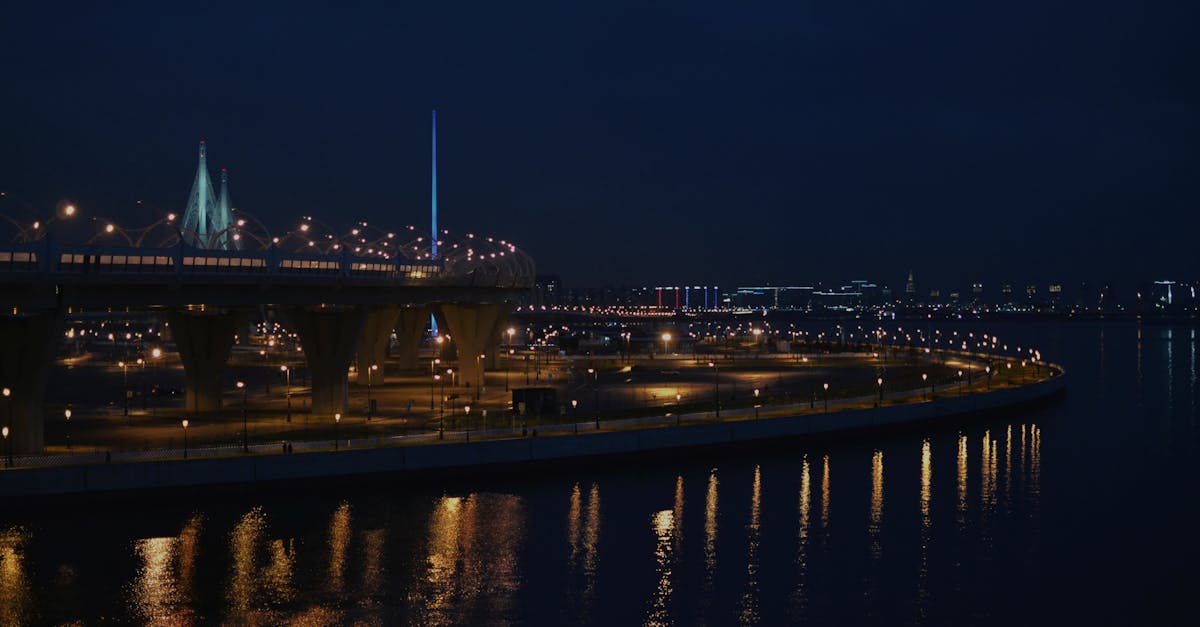
Timing is equally critical for balancing these elements, so aim for the "blue hour" just after sunset when the artificial lights of the bridge begin to glow against the cooling twilight sky, casting warm, golden streaks across the darkening river. During this window, switch your camera to a long exposure setting of several seconds to smooth out any ripples in the water, transforming the choppy Thames into a silky canvas that perfectly mirrors the illuminated skyline without distraction. This approach not only harmonizes the vertical grandeur of the Victorian engineering with the horizontal flow of the river but also adds a serene, almost magical atmosphere that defines the quintessential London nightscape.
 This photo was taken by Darya Grey_Owl on Pexels.