Navigating the Tube: The Essential Transport Guide for Tourists
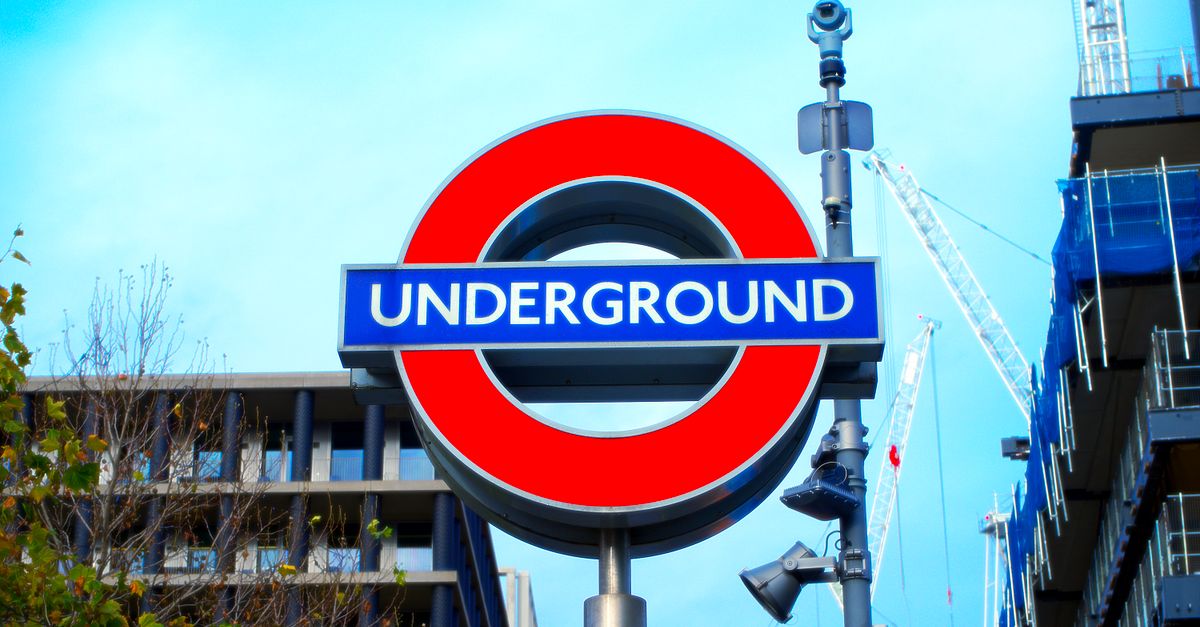 This photo was taken by Mike Bird on Pexels.
Welcome to the beating heart of London, where history meets the hustle of a city that never sleeps. As you plan your adventures from the Tower of London to the vibrant streets of Shoreditch, one thing is certain: navigating the capital's iconic Underground, affectionately known as "the Tube," is essential to unlocking the full magic of this metropolis. But for first-time visitors, the network can seem like a labyrinth of confusing lines and rushing commuters. Fear not! This guide is designed to transform you from a bewildered tourist into a confident local explorer. We will walk you through mastering modern payment methods with Oyster cards and contactless technology, help you decode the colorful map while dodging the notorious rush hour crowds, and reveal the secrets of key interchanges alongside some hidden station gems waiting to be discovered. Let's dive in and make your journey through London seamless and memorable.
Mastering the Oyster Card and Contactless Payments
For the savvy visitor, mastering London's transport payment system is the key to unlocking a seamless journey across the capital. While the iconic blue Oyster card remains a popular choice for its durability and ability to load travel cards or season passes, most tourists will find that contactless bank cards and mobile payments offer the ultimate convenience. Simply tap your phone or card on the yellow reader at the start and end of your journey, and the system automatically calculates the best daily fare, ensuring you never pay more than a Zone 1-6 Travelcard would cost. This "capping" feature means that once you reach a certain spending limit within a single day, all subsequent journeys are free, making it an incredibly cost-effective option for exploring everything from Westminster to Camden.
To avoid any hiccups during your travels, remember that each member of your party must have their own individual device or card; sharing one payment method among multiple people is not permitted, as the system tracks individual usage to apply daily caps correctly. Furthermore, always ensure you touch in and out at every station, including those on the Elizabeth Line and DLR, as failing to complete your journey can result in a maximum fare charge. By understanding these simple rules, you can glide through ticket barriers with confidence, leaving you more time to admire the historic architecture and bustling streets rather than worrying about navigating complex fare zones or queuing at ticket machines.
 This photo was taken by Pixabay on Pexels.
Decoding the Tube Map and Avoiding Peak Hour Crowds
At first glance, the London Underground map can seem like a confusing web of colorful lines, but it is actually a masterpiece of functional design that prioritizes clarity over geographical accuracy. Created by Harry Beck in 1931, this schematic diagram uses straight lines at 45-degree angles to help you navigate the city's vast network without getting lost in the details of the river or street layout. As a visitor, your best strategy is to focus on the color-coded zones and station names rather than trying to visualize the exact distance between stops; simply identify your starting point and destination, follow the corresponding colored line, and look for interchange stations marked by small circles where you can switch to another line if needed.
To truly enjoy your sightseeing experience, timing your travel outside of peak hours is essential for avoiding the notorious rush hour crowds that can make the Tube feel like a sardine tin. The busiest periods occur on weekdays between 7:00 AM and 9:30 AM, and again from 5:00 PM to 7:00 PM, when commuters flood the system into central London and back out to the suburbs. If your itinerary allows, aim to explore major attractions before 10:00 AM or after 8:00 PM, or consider using the early morning or late evening slots for longer journeys across the city, ensuring you have a more relaxed journey and plenty of space to store your luggage or simply breathe while traveling through the heart of London.
 This photo was taken by Altaf Shah on Pexels.
Navigating Key Interchanges and Hidden Station Gems
Mastering London's Underground begins with understanding its major interchanges, which serve as the beating heart of the city's transport network. Stations like Waterloo, Victoria, and King's Cross St Pancras are colossal hubs connecting multiple lines, but they can be daunting for first-time visitors due to their sheer size and complex layouts. To navigate these efficiently, look for the iconic roundel signs that guide you between platforms; remember that walking distances here can be surprisingly long, so allocate extra time during peak hours. While these giants offer seamless access to major attractions, savvy travelers often bypass the main concourses entirely by using smaller, less obvious entrances or exiting at adjacent stations to avoid the crowds and find a more direct route to their destination.
Beyond the bustling central terminals lie the true hidden gems of the Tube map, where historic charm meets modern convenience in quieter corners of the network. Stations such as Highgate on the Northern Line or Chancery Lane on the Central Line offer stunning Victorian architecture, unique tiling, and a sense of stepping back in time without the tourist throngs found elsewhere. These lesser-known stops often provide the most picturesque views from the platform windows and lead directly to charming neighborhoods perfect for a leisurely afternoon stroll. By venturing off the beaten track to explore these architectural treasures, you not only experience the authentic spirit of London but also discover local cafes and bookshops that mainstream guides frequently overlook.
 This photo was taken by Skylar Kang on Pexels.