Navigating the Tube: A Tourist's Survival Guide to London Public Transport
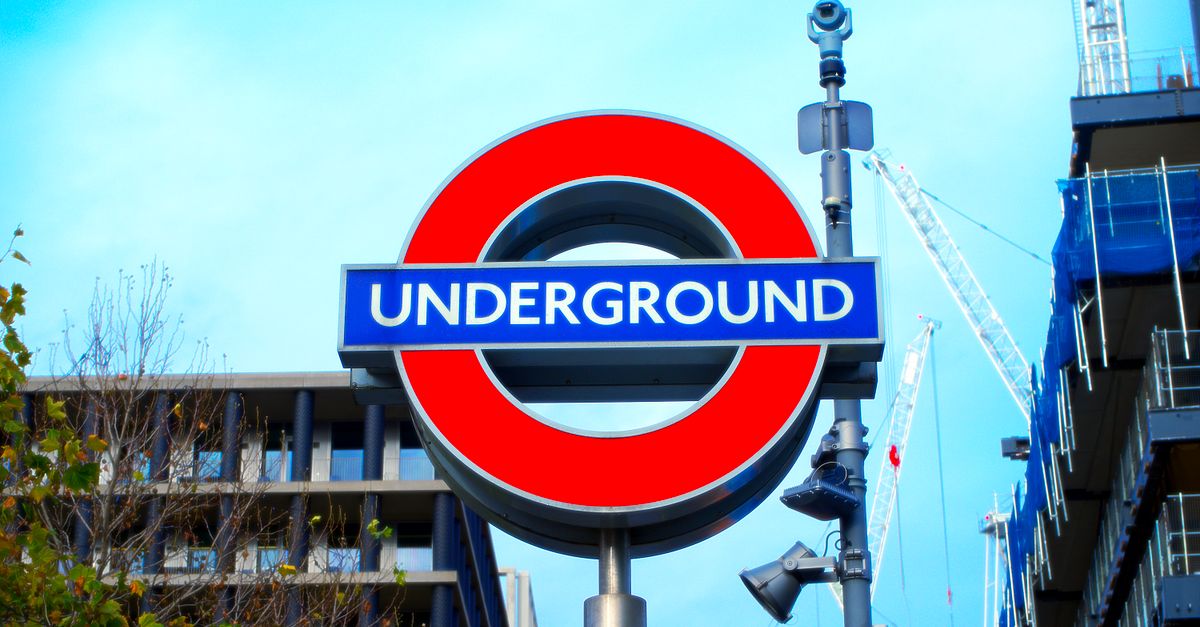 This photo was taken by Mike Bird on Pexels.
Welcome to the beating heart of London, where the city's pulse is best felt on the iconic red and blue lines of the Underground. Known affectionately as "The Tube," this sprawling network is not just a mode of transport; it is a cultural experience that connects you from the historic streets of Westminster to the vibrant markets of Camden in mere minutes. However, for first-time visitors, navigating this vast system can feel like deciphering an ancient code. Fear not! This guide is designed to transform your anxiety into confidence, offering you the insider secrets needed to move through the capital with ease. Whether you are figuring out the complex zone system, deciding between an Oyster card and contactless payment, or simply wanting to avoid the faux pas of blocking a train door, we have you covered. Let's dive in and make your journey through London's underground as smooth as a cup of afternoon tea.
Mastering the Map: Understanding Zones and Routes
To truly conquer London's extensive underground network, you must first decode the iconic concentric rings that define the city's fare zones. Stretching from Zone 1 in the bustling heart of Westminster and Covent Garden out to the quieter suburbs of Zone 6, these boundaries dictate your ticket price, meaning a journey between two central attractions is significantly cheaper than venturing to Heathrow or Kew Gardens. While navigating this radial system, pay close attention to the colour-coded lines on the map; the red Circle Line loops effortlessly around the centre, the blue Jubilee Line shoots straight to Canary Wharf, and the green District Line snakes through historic parks and royal estates. Remember that many stations serve multiple lines, acting as vital interchange hubs where a simple transfer can save you precious time and avoid unnecessary travel across the entire city.
Once you have grasped the zone structure, mastering your route involves understanding the rhythm of the Tube beyond just the printed map. The most efficient paths often require combining different lines rather than sticking to a single one, especially during peak hours when overcrowding can make certain segments nearly impassable. Utilise the TfL (Transport for London) app or digital displays at station platforms to check real-time service updates, as engineering works frequently alter routes on weekends and late nights. By planning your journey with a mix of direct services and strategic interchanges, you transform a potentially daunting commute into a seamless adventure, allowing you to spend less time waiting in queues and more time exploring the magnificent sights that await at every stop along your chosen line.
 This photo was taken by Loic Van Montagu on Pexels.
Smart Travel: Oyster Cards, Contactless Payments, and Peak Hours
When stepping onto the London Underground, mastering your payment method is the first step toward a seamless journey. While traditional paper tickets are still available, they are often more expensive and less convenient for visitors. The most efficient options are the Oyster card, a reusable smart card you can top up at any station, or simply using contactless bank cards and mobile wallets like Apple Pay and Google Pay. Both systems operate on a "pay-as-you-go" basis with daily capping, meaning once you reach the cost of a day travelcard, you won't be charged a penny more for that 24-hour period, ensuring you get the best possible rate without needing to calculate complex fare zones beforehand.
To maximize your savings and minimize stress, it is crucial to understand the distinction between peak and off-peak hours. Peak times generally run from Monday to Friday between 06:30 and 09:30, and again from 16:00 to 19:00, during which fares are significantly higher and trains can be packed with commuters. As a tourist, try to plan your sightseeing trips outside these rush hour windows whenever possible; traveling mid-morning or early afternoon not only guarantees a cheaper fare but also offers a far more relaxed experience where you can actually enjoy the iconic Tube map and catch a glimpse of the city through the tunnel windows rather than just navigating a sea of elbows.
 This photo was taken by Volker Thimm on Pexels.
Etiquette Essentials: Do's and Don'ts on Your Underground Journey
When stepping onto the London Underground, respecting the "Stand on the Right" rule is your first step toward a harmonious journey; this unwritten law ensures that commuters can rush to work while you leisurely enjoy the ride. As you board, make space for others by moving deeper into the carriage rather than blocking doors, and always remember to let passengers alight before attempting to enter. It is also crucial to keep your voice down and avoid loud phone conversations, as the Tube is a shared sanctuary where quiet contemplation is valued over chatter, creating a more pleasant atmosphere for everyone.
On the flip side, there are several behaviors strictly frowned upon or even fined by Transport for London authorities. Never attempt to run for a closing door, as this not only endangers yourself but causes significant delays for the entire network, and avoid eating strong-smelling food or drinking alcohol in stations and trains. Additionally, resist the urge to sit on the priority seats reserved for elderly or disabled passengers unless you genuinely need them, and always have your Oyster card or contactless payment method ready at the gate to prevent bottlenecks. By adhering to these simple guidelines, you show respect for the local culture and ensure your underground adventure remains smooth and stress-free.
 This photo was taken by NOJOUM7 Production on Pexels.