Navigating the Tube: A Beginner's Transport Guide
 This photo was taken by Mike Bird on Pexels.
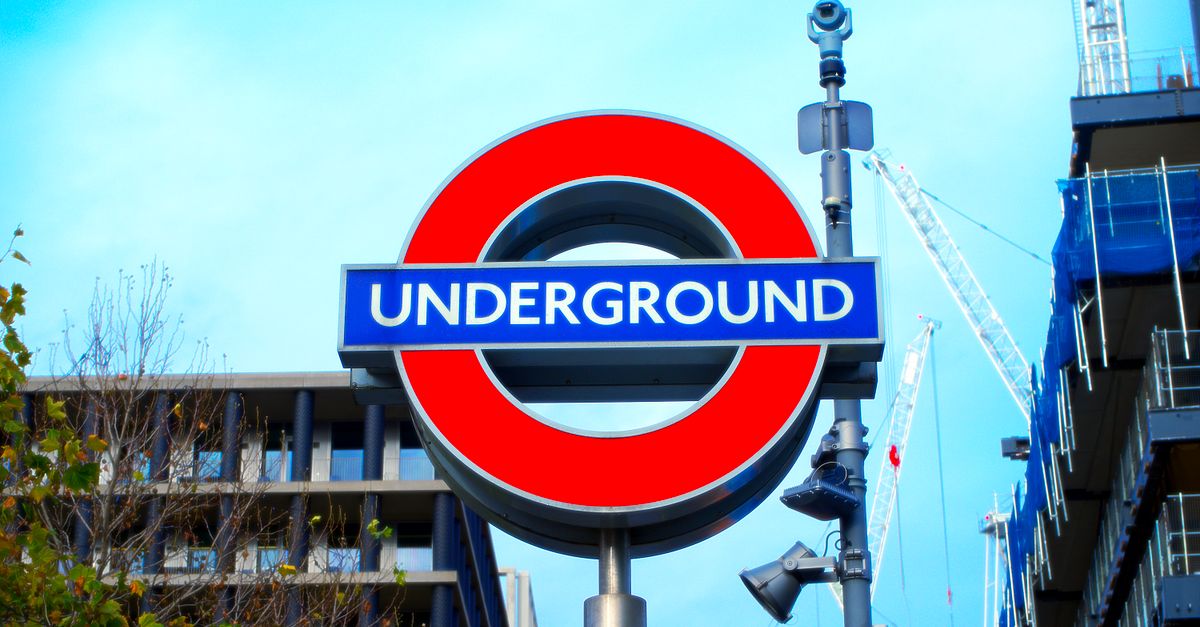
Welcome to the beating heart of London, where beneath the bustling streets lies a labyrinth of tunnels that has connected this city for over 150 years. For many visitors, the Underground—affectionately known as "the Tube"—is not just a mode of transport, but an essential part of the London experience, offering a swift and scenic way to reach everything from historic landmarks to trendy neighborhoods. However, with its complex network of lines, color-coded maps, and unique etiquette, it can feel slightly daunting for first-time riders. This guide is designed to demystify the system, helping you confidently navigate the zones and fares, master the art of riding like a local, and dodge the notorious rush hour crowds so you can focus on what truly matters: exploring the magic of our capital city.
This photo was taken by Mike Bird on Pexels.
Welcome to the beating heart of London, where beneath the bustling streets lies a labyrinth of tunnels that has connected this city for over 150 years. For many visitors, the Underground—affectionately known as "the Tube"—is not just a mode of transport, but an essential part of the London experience, offering a swift and scenic way to reach everything from historic landmarks to trendy neighborhoods. However, with its complex network of lines, color-coded maps, and unique etiquette, it can feel slightly daunting for first-time riders. This guide is designed to demystify the system, helping you confidently navigate the zones and fares, master the art of riding like a local, and dodge the notorious rush hour crowds so you can focus on what truly matters: exploring the magic of our capital city.
Understanding the Zones and Fares
Navigating London's iconic Underground system begins with understanding its unique zonal structure, which is divided into six concentric rings radiating from the city center. Your fare is primarily determined by the number of zones you travel through; for instance, a journey entirely within Zone 1 or between Zones 1 and 2 will cost significantly less than a trip extending to Zone 6 in outer suburbs like Heathrow or Richmond. While the network is extensive, it is crucial to note that fares are not distance-based but zone-based, meaning a short hop across two zones costs the same as a longer ride covering the same number of zones. This system simplifies planning for visitors, though it does require a bit of attention when traveling from the outskirts to ensure you are aware of your starting point.
To make your travels seamless and cost-effective, the most recommended method for tourists is using a contactless bank card or mobile payment device, as these automatically calculate the best daily and weekly rates without the need to purchase paper tickets. By tapping in at the start and end of your journey, the system caps your spending once you reach a "daily cap," ensuring you never pay more than the price of an unlimited Travelcard for that day. If you prefer traditional options, Oyster cards remain a viable alternative, but be sure to always tap on and off at the yellow readers at station entrances and exits, as failing to do so can result in being charged the maximum penalty fare for an incomplete journey.
 This photo was taken by Vlad Deep on Pexels.
Essential Tips for First-Time Riders
When stepping onto the London Underground for the first time, the most crucial rule is to "stand on the right" while walking on the left; this simple etiquette keeps the escalators and walkways flowing smoothly during rush hour. Always remember that you must tap your contactless card or mobile device on the yellow reader at both the entrance and exit gates, as failing to tap out will result in a maximum fare charge. Additionally, be prepared for a lack of air conditioning in summer months and crowded carriages in winter, so dressing in layers and keeping your belongings close is highly recommended.
To navigate the map with confidence, familiarize yourself with the color-coded lines and the fact that trains do not always run to their final destination on the printed route; instead, they may terminate early or split into different branches, so always check the digital displays above the doors before boarding. While the Tube operates 24 hours on weekends, it runs on a reduced schedule late at night, making it wise to plan your journey using the official Transport for London app rather than relying solely on paper maps. Finally, never attempt to jump the barriers or squeeze through turnstiles, as strict staff enforcement ensures everyone pays their fair share for this iconic city experience.
 This photo was taken by Towfiqu barbhuiya on Pexels.
Avoiding Rush Hour: Smart Travel Strategies
One of the most effective ways to preserve your energy for sightseeing is to master the art of timing your journey around London's infamous rush hour. The Tube, while a marvel of engineering, transforms into a packed arena between 7:30 AM and 9:30 AM, and again from 5:00 PM to 7:00 PM on weekdays, making travel uncomfortable and unpredictable. If your itinerary allows flexibility, consider shifting your morning start time to after 10:00 AM or saving major attractions for the late afternoon; this simple adjustment can save you hours of standing in crowded carriages and waiting for multiple trains that are often full before they even reach your station.
For those who must travel during peak times, strategic route planning can make all the difference. Instead of sticking rigidly to the busiest lines like the Central or Northern, look at alternative routes using the Elizabeth Line or the Overground, which often offer more space and better connections without the same level of congestion. Additionally, utilizing transport apps like Citymapper or Google Maps in real-time allows you to spot live disruptions or overcrowding instantly, enabling you to pivot to a less busy line or even switch to a short walk or bus ride that might be quicker than fighting through a packed Underground station. By staying adaptable and informed, you turn a potential commute nightmare into a seamless part of your London adventure.
 This photo was taken by Erik Mclean on Pexels.