Navigating the Tube: A Beginner's Guide to London's Underground System
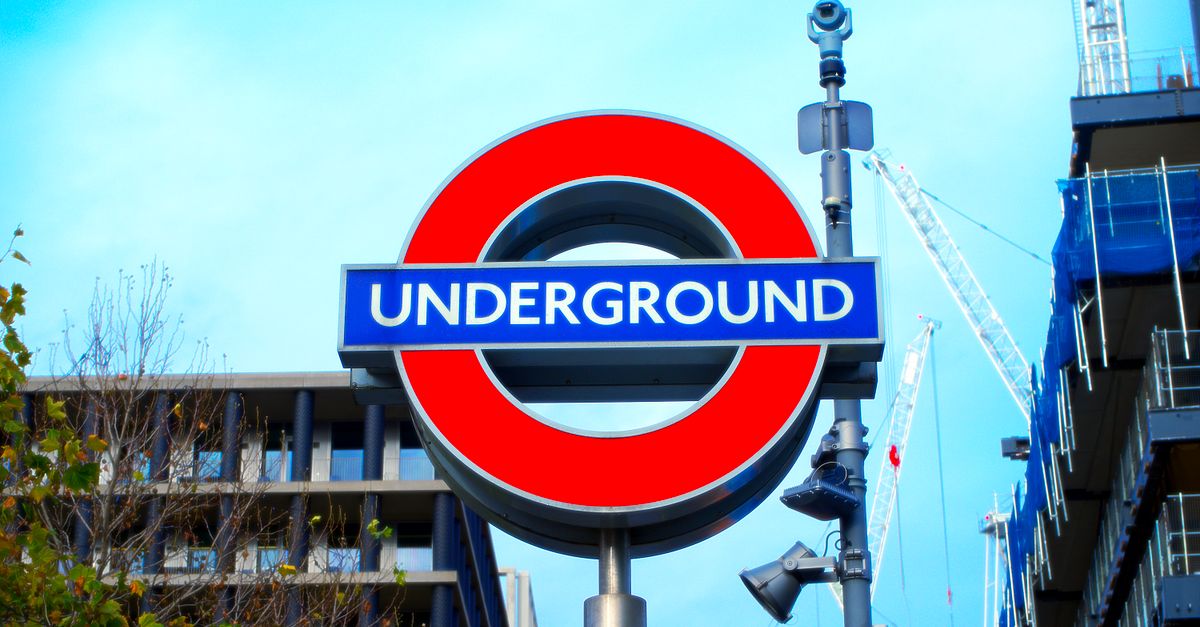 This photo was taken by Mike Bird on Pexels.
Welcome to the beating heart of London! As your local guide, I know that stepping onto the iconic red roundel of the Underground can feel like entering a labyrinth, but fear not. The Tube is far more than just a transport system; it is a time machine, a cultural icon, and the most efficient way to see our magnificent city. Whether you are chasing history in Westminster or the buzz of Shoreditch, mastering this network will transform your journey from stressful to seamless. In this guide, we will demystify the colorful map and travel zones, walk you through the simple magic of Oyster cards and contactless payments, and share my top tips for navigating the bustling crowds during peak hours so you can explore London with confidence.
Understanding the Map and Zones
When you first step onto the London Underground, the most crucial tool in your arsenal is a clear understanding of the fare zones. The city is divided into nine concentric rings, known as Zones 1 through 9, with Zone 1 covering the bustling heart of the capital where major attractions like Buckingham Palace and the Tower of London reside. As you venture further out towards the suburbs or Heathrow Airport, the zones increase numerically, and your ticket price will adjust accordingly based on how many zones you cross. It is essential to check your route before boarding, as travelling across multiple zones during peak hours can be significantly more expensive than staying within the central area, so familiarizing yourself with the colour-coded map displayed at every station entrance is your first step toward saving money.
Beyond just the numbers, the Tube map itself is a unique piece of design history that prioritizes clarity over geographical accuracy. Created by Harry Beck in 1933, this schematic diagram uses straight lines and 45-degree angles to represent routes, making it incredibly easy for visitors to navigate complex interchanges without getting lost in the maze of actual streets above ground. While the physical distance between stations may vary wildly depending on whether you are deep in the city or out in the countryside, the map ensures that transfer points are clearly marked, allowing you to plan efficient journeys from Westminster to Greenwich or from Paddington to Camden Town. By treating the map as a logical flowchart rather than a literal street guide, even first-time tourists can confidently traverse the network and uncover the hidden gems of this vibrant metropolis.
 This photo was taken by Marina Leonova on Pexels.
Using Oyster Cards and Contactless Payments
Navigating London's extensive Underground network is made seamless and cost-effective through the use of Oyster cards or contactless payment methods, both of which are accepted across all Tube lines, buses, trams, and most National Rail services within the city. For first-time visitors, an Oyster card offers a tangible sense of control; you can purchase one at any station ticket machine for a small refundable deposit, top it up with cash or card, and simply tap in and out at the yellow readers to pay the correct fare automatically. This system is designed to be incredibly user-friendly, ensuring that even those unfamiliar with the local transport infrastructure can move around the capital with confidence without needing to buy individual paper tickets for every journey.
However, if you prefer not to carry a separate card, using a contactless bank card or mobile device like Apple Pay or Google Wallet is often the most convenient option for short-term tourists, as it functions identically to an Oyster card while eliminating the need to worry about purchasing or returning a physical token. Both payment methods operate on a daily capping system, meaning that once you reach the price of a Day Travelcard for your chosen zones, any further travel on that day becomes free, ensuring you never pay more than necessary. Simply touch your card or device on the reader at the start and end of your journey, just as you would with an Oyster, and let the smart technology handle the calculations so you can focus entirely on enjoying your exploration of London.
 This photo was taken by www.kaboompics.com on Pexels.
Navigating Peak Hours and Crowds
Understanding the rhythm of London's rush hour is essential for a smooth journey, as the Underground transforms into a bustling hive of activity between 7:30 AM and 9:30 AM, and again from 5:00 PM to 7:00 PM on weekdays. During these peak times, stations like Oxford Circus, Waterloo, and King's Cross become incredibly crowded, often requiring patience as you navigate through packed carriages and busy platforms. To avoid the worst of the crush, consider traveling slightly outside these windows if your schedule allows, or utilize less popular but equally efficient routes that bypass the most congested central hubs. Remember that while the Tube remains the fastest way to traverse the city, a little strategic planning can save you significant stress during these high-traffic periods.
When you do find yourself amidst the midday or evening crowds, staying aware of your surroundings and adhering to local etiquette will make a world of difference. Always stand to the right on escalators to allow others to pass on the left, and keep your belongings close to ensure you don't obstruct the flow of passengers boarding and alighting. The Transport for London (TfL) app is an invaluable tool during these busy hours, providing real-time updates on service disruptions, platform changes, and alternative routes that can help you sidestep unexpected bottlenecks. By respecting the unspoken rules of the commute and keeping an eye on digital updates, even the busiest travel days in London can be managed with confidence and ease.
 This photo was taken by Robbe Jaspers on Pexels.