Navigating the Tube: A Beginner's Guide to London's Underground
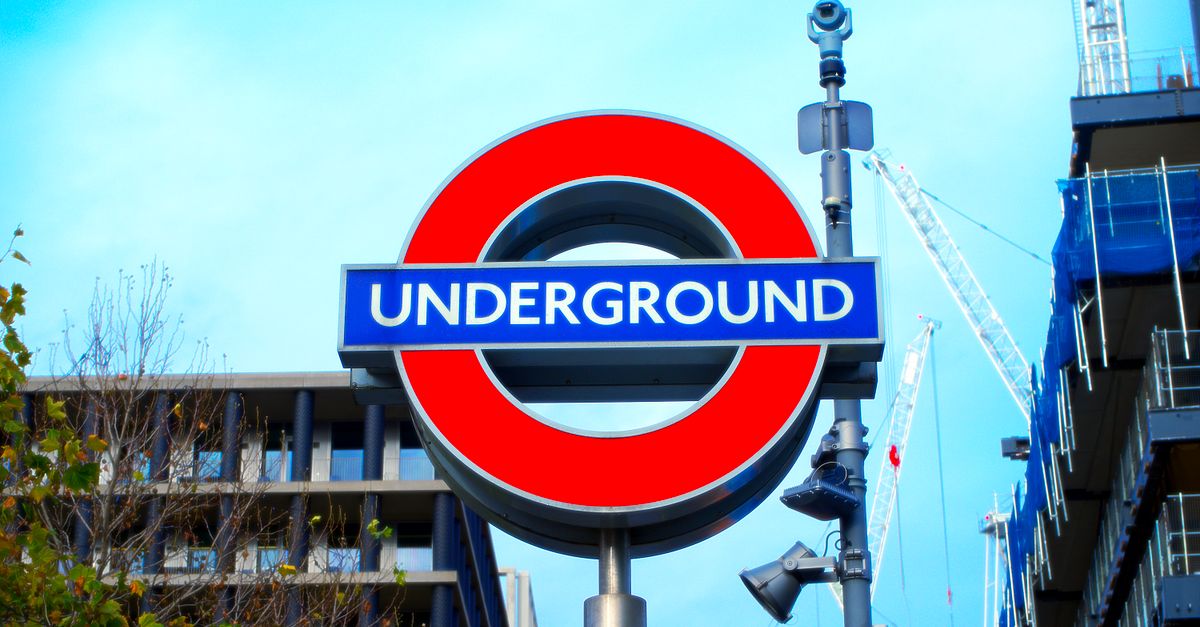 This photo was taken by Mike Bird on Pexels.
Understanding the Tube Map and Zones
The iconic London Underground map, designed by Harry Beck in 1931, is a masterpiece of information design that prioritizes clarity over geographical accuracy. Instead of mirroring the winding streets above, the diagram presents the network as a series of straight lines and right-angled turns, making it remarkably easy for visitors to plot their route regardless of the actual distance between stations. When planning your journey, pay close attention to the concentric rings labeled from Zone 1 to Zone 6; these zones are crucial for understanding fare pricing, with central London falling within Zone 1 and fares increasing as you travel further out towards the suburbs or Heathrow Airport.
Navigating this system requires more than just knowing which line to take; you must also be mindful of peak travel times and specific zone restrictions when purchasing tickets. While single paper tickets can be expensive, using an Oyster card or a contactless payment method automatically calculates the cheapest daily rate based on the zones you traverse, ensuring you never overpay. Remember that many major tourist attractions like the Tower of London, Westminster Abbey, and Buckingham Palace are situated squarely in Zone 1, meaning a short walk from a central station will often save you both time and money compared to venturing into the outer rings.
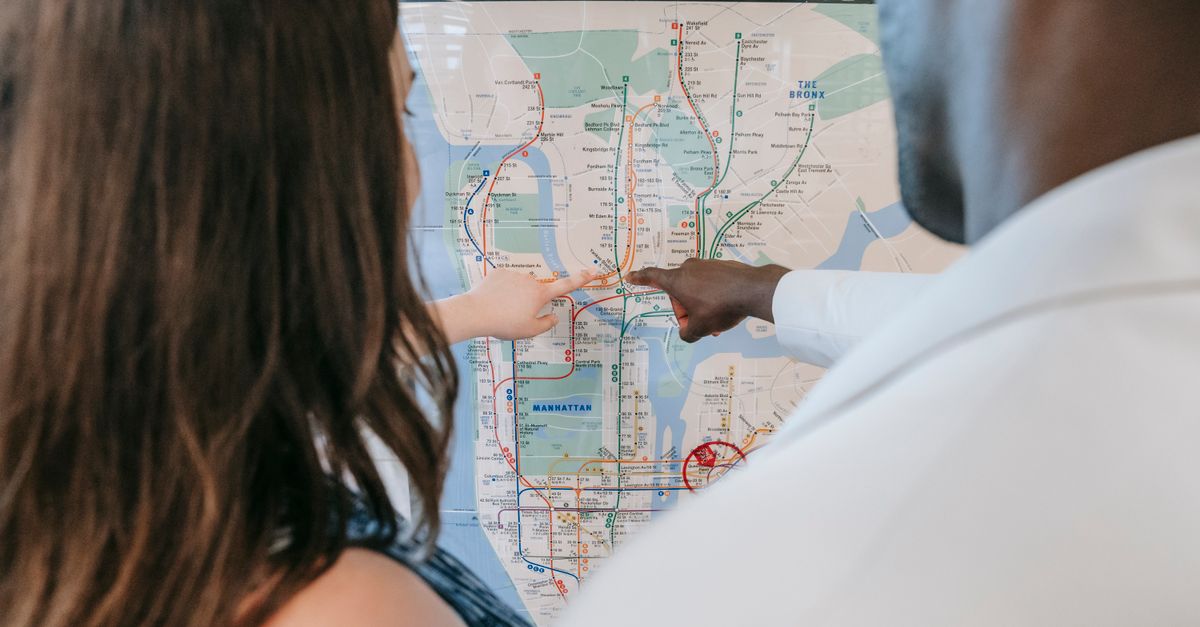 This photo was taken by Liliana Drew on Pexels.
Essential Tips for First-Time Riders
Before you step onto the platform, familiarize yourself with the iconic roundel map and remember that London's Underground operates on a zone system rather than distance, so always check your journey planner to ensure you are traveling within the correct fare zones. While cash is no longer accepted on the Tube, you can tap in and out using a contactless bank card or mobile payment device, which automatically calculates the cheapest daily cap for you; however, if you plan to make multiple journeys over several days, consider purchasing an Oyster card for potential savings. It is also crucial to stand on the right side of escalators to allow those in a hurry to pass on the left, and be prepared for the occasional lack of air conditioning in summer months by dressing in layers.
When navigating the network, keep in mind that not all stations have step-free access, so if you are traveling with heavy luggage or prams, consult the Transport for London website beforehand to identify accessible routes and elevators. During peak hours, particularly between 7:30 AM and 9:30 AM and again from 5:00 PM to 7:00 PM, trains can become incredibly crowded, so try to avoid the most congested carriages near the doors if possible and hold onto handrails firmly as the train may start or stop abruptly. Finally, always listen for announcements regarding service disruptions or last trains, as the network closes relatively early compared to some other major cities, typically around midnight on weekdays and slightly later on weekends.
 This photo was taken by Towfiqu barbhuiya on Pexels.
Avoiding Rush Hour and Staying Safe
To make the most of your London adventure, it is wise to plan your Tube journeys outside the notorious rush hours, which typically peak between 7:30 AM and 9:30 AM and again from 5:00 PM to 7:00 PM on weekdays. During these times, stations like Oxford Circus, Waterloo, and King's Cross become incredibly congested, making navigation difficult and potentially stressful for first-time visitors. By traveling mid-morning or early afternoon, you not only avoid the crushing crowds but also enjoy a more relaxed atmosphere where you can better orient yourself with the iconic map and station layouts without feeling overwhelmed by the sheer volume of commuters.
Safety while using the Underground requires a blend of situational awareness and common sense, particularly when navigating busy platforms or crowded carriages. Always stand behind the yellow line on the platform edge, as gaps between the train and the track can be surprisingly wide, and never attempt to board or alight from a moving train. Keep your valuables secure in front pockets or zipped bags, especially on the Piccadilly Line which connects directly to Heathrow Airport and often attracts pickpockets targeting distracted tourists. Additionally, if you feel unsafe or need assistance, look for the blue emergency help points located at regular intervals on every platform or speak directly to a member of the Station Staff, who are always ready to guide you.
 This photo was taken by Markus Winkler on Pexels.