Navigating London: The Complete Tube and Bus Guide
 This photo was taken by Mike Bird on Pexels.
Welcome to the beating heart of London, where history meets modernity on every corner. As your local guide, I know that the true essence of this vibrant city isn't just found in its grand museums or iconic landmarks, but in the rhythmic hum of its transport network. Whether you are a first-time visitor eager to explore from Tower Bridge to Hyde Park or a seasoned traveler looking to optimize your journey, understanding how to move around is the key to unlocking the best of our capital. This comprehensive guide will walk you through mastering the iconic Underground, savoring the views from the top deck of a red double-decker bus, and demystifying the payment systems so you can travel with confidence and ease.
Mastering the Tube: Routes, Zones, and Peak Times
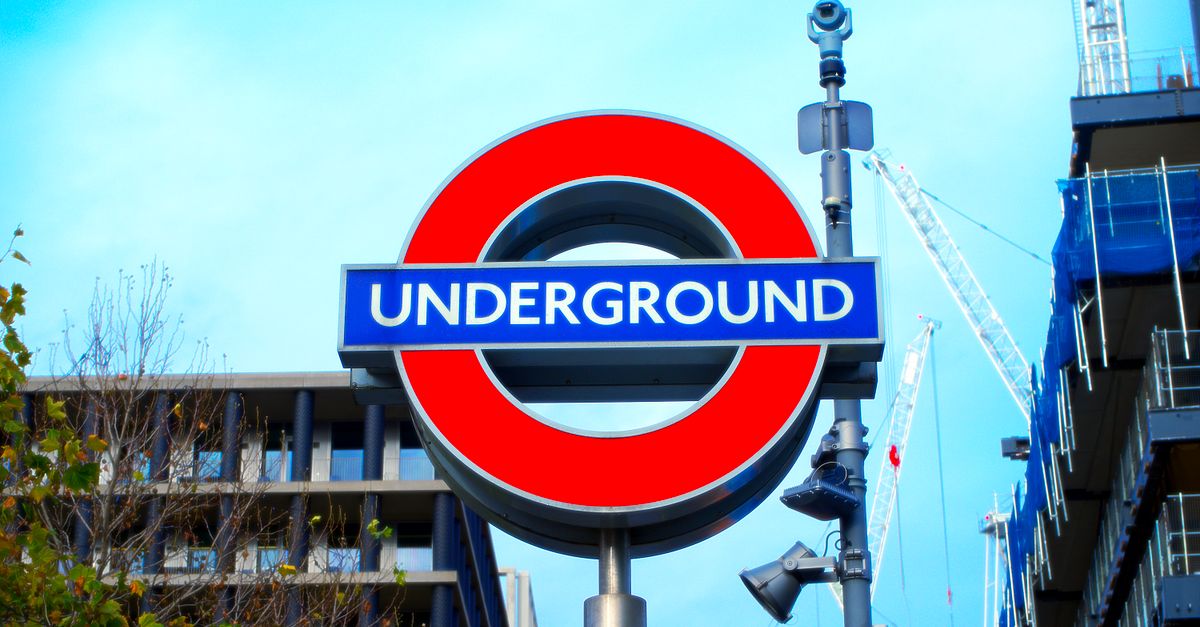
Understanding the London Underground, affectionately known as the Tube, is your first step toward seamless travel across the capital. The network is divided into nine concentric zones, with Zone 1 covering the historic and commercial heart of the city, including major attractions like Westminster and Covent Garden; as you venture outward to Zones 2 through 9, fares generally decrease, though journey times increase. While the map can look daunting at first glance, modern apps provide real-time updates on line closures and delays, making it easy to plan your route whether you are heading north to Camden or south to Greenwich. Remember that most lines run from early morning until around midnight, with Night Tubes operating on key lines throughout the weekend to ensure you never miss a night out.
To make the most of your journey, timing is everything, particularly when navigating peak hours which typically run from 07:00 to 09:30 and 16:30 to 19:00 on weekdays. During these busy windows, trains become incredibly crowded, especially on central lines like the Central, Northern, and Victoria, so if possible, try to travel just before or after these slots for a more comfortable experience. Additionally, always remember to tap in and out with your contactless card or Oyster card at both the start and end of your trip to ensure you are charged correctly; failing to do so can result in a maximum fare penalty. By mastering these zones and avoiding the rush, you will transform what could be a stressful commute into an efficient part of your London adventure.
 This photo was taken by Alexander Taranenko on Pexels.
The Red Bus Experience: Top Scenic Routes and Stops
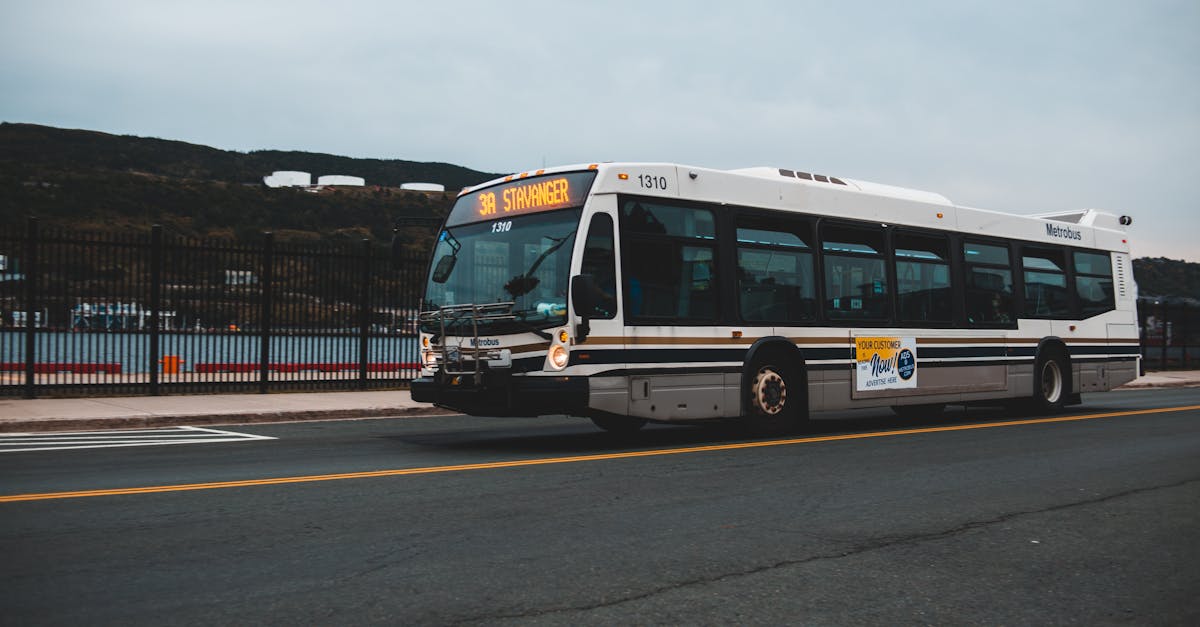
While the iconic red double-decker bus is a staple of London's transport network, riding one offers far more than just a way to get from point A to B; it provides a moving vantage point over the city's most stunning vistas. For the ultimate scenic journey, hop on the number 15 route, which winds its way past the grandeur of St Paul's Cathedral and along the Thames Embankment before looping through the historic streets of Westminster. Alternatively, the number 38 takes you from the bustling energy of Oxford Street directly into the heart of Hyde Park, offering a seamless transition from urban shopping districts to serene green spaces where you can watch locals rowing on the Serpentine lake.
To truly maximize your sightseeing experience, don't hesitate to alight at any stop that catches your eye, as many of these routes function as open-air tour buses with frequent stops near major landmarks. You might start your adventure at Trafalgar Square, disembarking to explore the National Gallery, then reboard the same bus later to continue your journey towards the Tower of London via the vibrant street life of Whitechapel. This flexibility allows you to curate your own itinerary, ensuring you never miss a photo opportunity while soaking in the authentic atmosphere of daily London life from the top deck, where the wind in your hair and the panoramic views make every commute feel like a special occasion.
 This photo was taken by Erik Mclean on Pexels.
Oyster Cards vs. Contactless: Paying Your Way Around the City
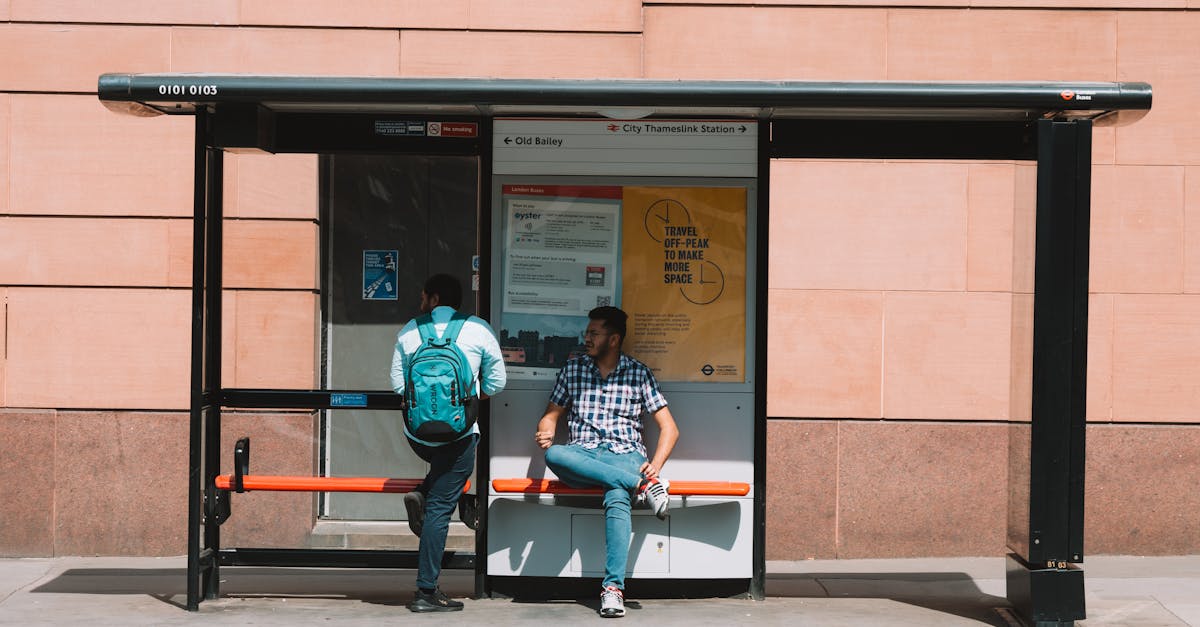
Navigating London's extensive transport network has never been easier, but choosing the right payment method can save you both time and money. For most visitors, contactless bank cards or mobile payments are the simplest option, offering a seamless tap-in, tap-out experience across all Tube lines, buses, trams, the Docklands Light Railway, and even the Overground. The system automatically calculates your daily fare cap, ensuring that once you reach a certain spending limit within a 24-hour period, any further travel on that day is free. This "pay as you go" model eliminates the need to purchase physical tickets or top up balances, making it ideal for tourists who want a hassle-free journey without worrying about exact change or card limits.
While contactless is generally the most convenient choice, Oyster Cards remain a valuable alternative, particularly for those planning an extended stay or requiring specific travel passes. These reusable smart cards allow you to pre-load credit or buy Travelcards in advance, which can be beneficial if you prefer managing your budget before arriving at the station gates. Although the initial cost of the card includes a small deposit, it can be refunded later at any ticket machine, and like contactless payments, Oyster also benefits from the same daily capping rules. Whether you opt for the modern convenience of tapping your phone or the traditional reliability of an Oyster Card, both methods provide an efficient gateway to exploring every corner of this vibrant city.
 This photo was taken by Joaquin Carfagna on Pexels.