Museums Without Lines: How to Beat the Crowds at the British Museum and Tate Modern
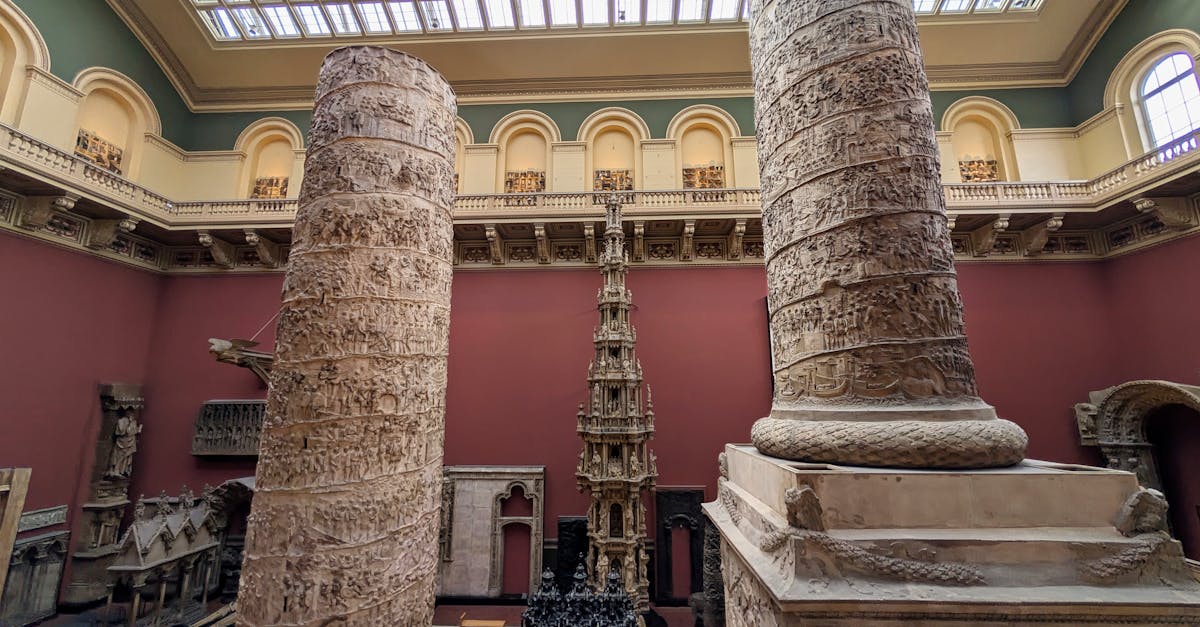 This photo was taken by Poetarojo . on Pexels.
Welcome to London, the city where history and modern art collide in a dazzling display of culture. Yet, for many visitors, the dream of exploring world-class institutions like the British Museum and Tate Modern is often tempered by the daunting reality of long queues and packed galleries. You do not have to surrender your day to waiting in line; with the right insider knowledge, you can unlock a seamless, tranquil experience. In this guide, we will reveal how to beat the crowds through early morning strategies, discover hidden entrances that bypass the main throngs, and leverage digital tools to skip the ticket queue entirely. Let's dive into the secrets of museum hopping without the hassle.
The Early Bird's Secret: Beating the Rush Before 10 AM
The true magic of London's world-class museums lies not just in their masterpieces, but in the golden hour before the city wakes up fully. By arriving at the British Museum or Tate Modern before 10 AM, you unlock a rare tranquility that transforms your visit from a crowded queue into an intimate conversation with history and art. Imagine strolling through the Great Court or the Blavatnik Building while the only sounds are the soft hum of cleaning crews and the distant echo of your own footsteps; this is when you can truly appreciate the grandeur of the Rosetta Stone or the immersive installations of contemporary artists without shoulder-to-shoulder congestion. The light streaming through the skylights is perfect for photography, and the staff are often more available to answer your questions, offering a personalized touch that gets lost once the tour buses begin to arrive.
Strategizing your morning arrival is the simplest yet most effective secret to mastering the London tourist schedule, as it allows you to experience these cultural giants on your own terms. Most guided groups and casual visitors flock to the entrances after 10:30 AM, creating long lines that can eat up valuable hours of your day; by beating them there, you secure a head start that lets you explore the galleries at a leisurely pace before the rush peaks. This early advantage means you can dive deep into specific collections, perhaps starting with the Egyptian mummies at the British Museum or the river views from the Tate Modern's top floor, before the crowds inevitably swell. It turns a potentially chaotic experience into a serene, reflective journey, proving that in London, the best time to see the city's treasures is often right when the rest of the world is still hitting snooze.
 This photo was taken by Erik Mclean on Pexels.
Hidden Entrances and Off-Peak Hours for a Tranquil Visit
Navigating the British Museum and Tate Modern becomes significantly less daunting when you discover their lesser-known entry points, which often bypass the main tourist throngs entirely. At the British Museum, instead of queuing at the iconic Great Court entrance, look for the side door on Montague Place or the quieter access via the Queen Elizabeth II Great Court's upper levels, where security lines are frequently non-existent during mid-morning hours. Similarly, the Tate Modern offers a secret passage through the Bankside Gallery building that leads directly to the lower galleries, allowing savvy visitors to skip the long escalator queues at the main Southbank entrance. These alternative routes not only save valuable time but also provide an immediate sense of calm as you step away from the bustling crowds into the serene halls of art and history.
To truly experience these world-class institutions in peace, timing your visit for off-peak hours is just as crucial as finding the right door; aim for weekdays between 10:30 AM and 12:00 PM, or arrive right before closing time around 5:30 PM. During these windows, tour groups have either dispersed or not yet arrived, leaving the vast Egyptian mummies hall or the contemporary art spaces almost exclusively for independent travelers seeking reflection rather than photos. By strategically planning your itinerary to coincide with these quiet pockets of the day, you transform a typically chaotic museum experience into a tranquil journey of discovery, allowing you to engage deeply with the exhibits without the constant pressure of the crowd pushing past you.
 This photo was taken by Lens of life photography on Pexels.
Digital Passes and Smart Strategies to Skip the Ticket Queue
In the heart of London's cultural district, securing your entry to world-class institutions has evolved into a seamless digital experience that eliminates the frustration of long queues. For the British Museum and Tate Modern, purchasing tickets online in advance is not merely a convenience but a strategic necessity; both venues offer dedicated time-slot entry systems that allow visitors to bypass the general admission lines entirely. By utilizing their official websites or authorized apps, you can reserve your specific entry window days or even weeks ahead, ensuring a smooth transition from the bustling streets directly into the galleries. This digital-first approach transforms what was once a chaotic waiting game into a predictable part of your itinerary, giving you peace of mind and more time to explore the treasures within.
To truly master the art of crowd control, savvy travelers should leverage smart strategies beyond just booking early, such as targeting off-peak hours and utilizing "Digital Passes" like the London Pass or specific museum membership tiers if they plan multiple visits. These passes often include fast-track entry options or exclusive access routes that further reduce wait times, allowing you to glide past the main throngs of tourists. Additionally, many modern attractions now offer audio guides accessible via smartphone QR codes, which serve as a dual-purpose tool: they provide immersive commentary while simultaneously guiding you through less congested paths within the vast spaces of the British Museum or the sprawling levels of Tate Modern. Embracing these technological tools ensures your visit remains focused on the art and history rather than the logistics of queuing.
 This photo was taken by Helena Lopes on Pexels.