London's Vibrant Theatre Scene: A West End Guide
 This photo was taken by Daria Agafonova on Pexels.
Welcome to the heart of London's cultural soul, where the lights blaze brighter and the stories unfold more dramatically than anywhere else on Earth. As your local guide, I am thrilled to invite you into the dazzling world of the West End, a district that has been captivating audiences for centuries with its blend of historic grandeur and modern theatrical magic. Whether you are a seasoned theatre-goer or a first-time visitor eager to experience the roar of a live performance, this journey promises an unforgettable adventure. In this guide, we will walk through the hallowed halls of iconic venues like the Royal Albert Hall and the Gielgud Theatre, demystify the process of securing those coveted tickets while navigating showtimes with ease, and explore the vibrant dining and entertainment districts that make a night out in London truly spectacular. Get ready to immerse yourself in the spectacle, because in London, every curtain rise is a new beginning.
Discovering the Iconic Theatres of the West End
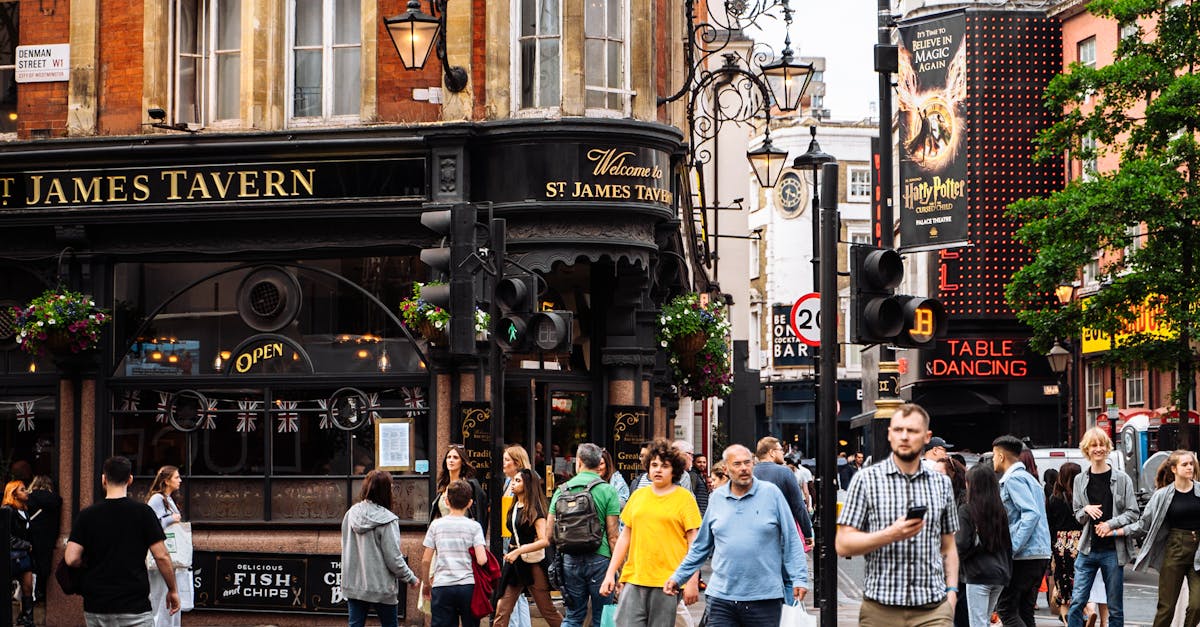
At the heart of London's cultural heartbeat lies the West End, a district where history and modern spectacle converge on some of the world's most celebrated stages. Walking down streets like Shaftesbury Avenue or Drury Lane feels like stepping into a living postcard, with grand Victorian facades housing everything from timeless classics to cutting-edge musicals. Whether you are seeking the magic of "The Phantom of the Opera," the electric energy of "Hamilton," or the witty charm of a classic comedy, the sheer variety ensures that every night offers a unique theatrical journey. The atmosphere is palpable before you even enter the theatre; the glow of marquees, the bustle of eager crowds, and the scent of popcorn create an anticipation that is truly quintessentially London.
Beyond the performances themselves, exploring these iconic venues provides a fascinating glimpse into the city's artistic heritage. Many of these historic theatres, such as the Royal Albert Hall nearby or the majestic Lyceum, have stood for over a century, hosting legendary actors and groundbreaking productions that have shaped global entertainment. For the discerning tourist, a visit often extends beyond the curtain call to include pre-theatre dining in bustling pubs or enjoying a drink at a rooftop bar overlooking the illuminated skyline. By immersing yourself in this vibrant scene, you aren't just watching a show; you are participating in a centuries-old tradition that makes London the undisputed capital of live performance.
 This photo was taken by Alan Wang on Pexels.
A Guide to Booking Tickets and Navigating Showtimes
Securing your seat in London's West End requires a blend of strategic planning and knowing where to look for the best deals. While major hits like The Lion King or Hamilton often sell out months in advance, booking directly through official theatre websites guarantees authenticity and avoids scalping fees. For last-minute enthusiasts, the legendary TKTS booth in Leicester Square offers same-day discounts on unsold tickets, while digital platforms like TodayTix provide exclusive "rush" seats and lottery entries that can turn an expensive night out into an affordable treat. It is also wise to consider matinee performances on Tuesdays or Thursdays, which frequently offer lower prices without compromising the quality of the production.Once your tickets are secured, navigating showtimes becomes straightforward with a few local insights to keep in mind. Most West End productions adhere to a strict schedule, typically running from Monday evenings through Saturday nights, with two performances on Wednesdays and Saturdays, though specific start times vary by venue. Arriving at least 30 minutes before curtain time is essential, as this allows you to collect pre-booked collection tickets, find your seat comfortably, and enjoy a drink in the lobby without missing the overture. Remember that intermission usually lasts exactly 20 minutes, so plan your bathroom breaks accordingly to ensure you don't miss any crucial plot developments during the second act. This photo was taken by Patrick on Pexels.
Beyond the Stage: Dining and Entertainment Districts
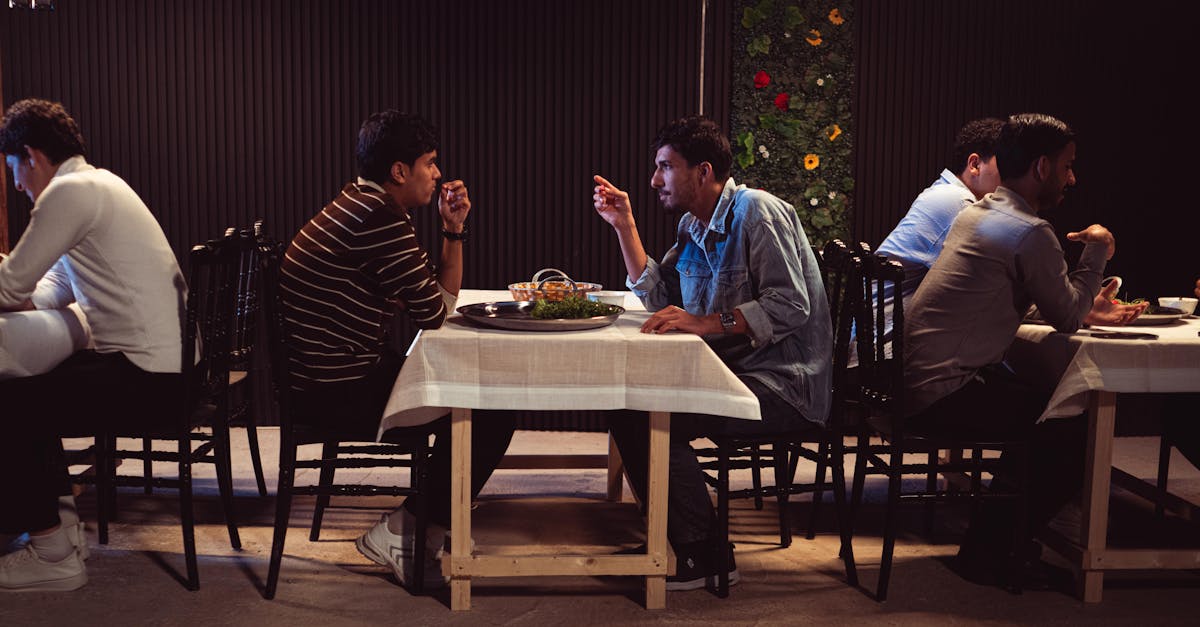
While the dazzling marquees of Shaftesbury Avenue and Covent Garden draw crowds eager for a night of world-class musicals, the true magic of London's theatre district often unfolds in the culinary experiences that surround them. Just steps away from the Lyceum or the Gielgud, you will find a labyrinth of historic pubs like The Old Red Lion serving hearty pies alongside modern gastropubs offering avant-garde tasting menus perfect for pre-theatre dining. For those seeking a more vibrant atmosphere after the final curtain call, Soho transforms into a lively hub where dimly lit cocktail bars and late-night jazz venues keep the energy alive long after the theatres close their doors.
Venturing slightly further afield to areas like Leicester Square and Trafalgar Square reveals a dynamic blend of entertainment that extends far beyond ticket stubs. Here, street performers, interactive art installations, and the neon glow of cinema screens create an immersive urban tapestry that complements the theatrical spirit of the West End. Whether you are grabbing a quick bite at a bustling food court before heading to a show or enjoying a sophisticated dinner with a view of Nelson's Column, these districts offer an endless array of sensory delights, ensuring your evening in London is as rich in flavor and culture as it is in performance.
 This photo was taken by khezez | خزاز on Pexels.