London's Literary Legacy: Walking Through Dickens' Footsteps
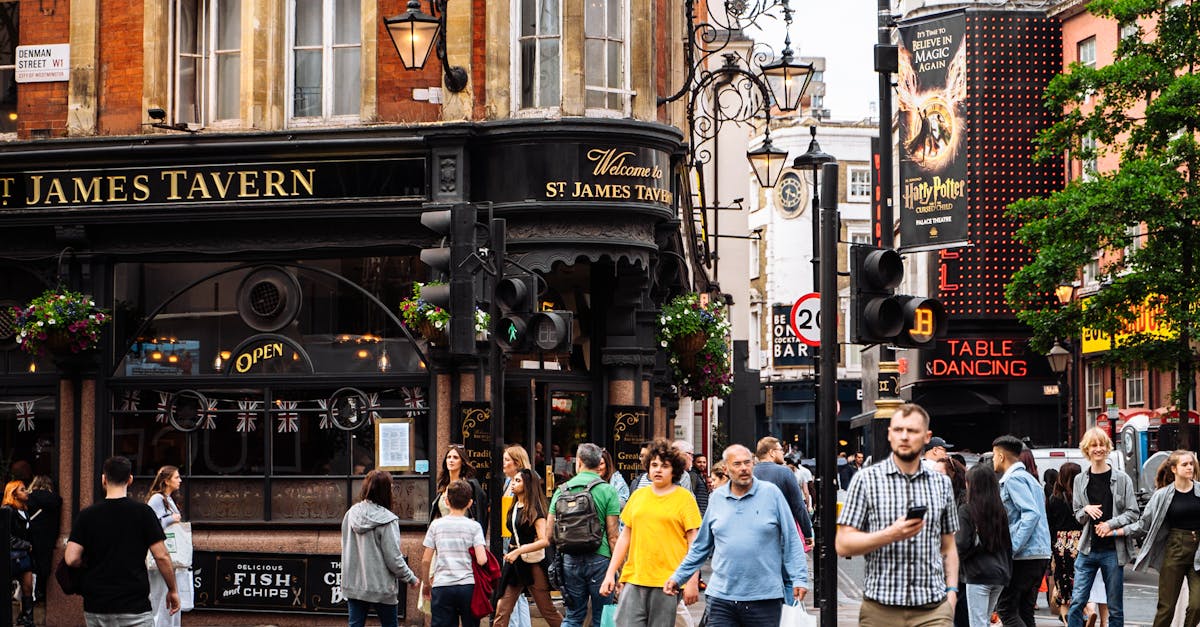 This photo was taken by Daria Agafonova on Pexels.
Welcome to the heart of England's capital, where every cobblestone and gas-lit alleyway whispers tales of the Victorian era. As your local guide through London's rich tapestry, I invite you to step back in time and explore the city that inspired Charles Dickens' most enduring masterpieces. This journey is not merely about visiting famous sites; it is an immersive walk through the very streets where Oliver Twist ran, where Scrooge met his ghosts, and where the fog of "Bleak House" once settled over the Thames. From the shadowy corners of Fagin's haunts to the serene parks the author loved, we will uncover the hidden literary landmarks that define our city's soul. Whether you are a die-hard fan or a curious traveler, join me as we trace Dickens' footsteps, discover his favorite pubs, and experience the timeless magic of London through the eyes of its greatest storyteller.
The Ghosts of Dickens' London: A Route Through the Novels
Begin your spectral journey at the fog-shrouded banks of the Thames, where Charles Dickens once wandered the cobblestones that now form the heart of our literary trail. As you stroll past the haunting ruins of Lincoln's Inn Fields, imagine the shadowy figures of Oliver Twist and Fagin lurking in the alleyways, their whispers echoing through centuries of London history. This route invites you to step into the atmospheric world of Bleak House and Great Expectations, tracing the very paths Dickens walked while crafting tales of social injustice and mystery. The gaslight flickers above as you pass St. Dunstan-in-the-West, a location that served as a backdrop for many of his most chilling scenes, allowing you to feel the damp chill of Victorian London that permeates every page of his work.
Continuing your walk towards the bustling streets of Covent Garden and the quiet courtyards of Clerkenwell, you will encounter the vibrant yet gritty settings that brought Dickens' characters to life. Here, the ghostly presence of Pip and Miss Havisham seems to linger near the old clock tower, while the chaotic energy of the law courts in Fleet Street mirrors the legal dramas found in Dombey and Son. Our guide will point out specific landmarks, such as the site of the old Marshalsea Prison, which inspired the harrowing debtors' prison in David Copperfield, offering a tangible connection between the author's personal experiences and his fictional masterpieces. By the time you reach the end of this trail, you won't just be reading about London; you will have walked through its soul, feeling the enduring legacy of the man who captured the city's spirit better than any other writer.
 This photo was taken by Erik Mclean on Pexels.
From Fagin's Alley to Bleak House: Uncovering Hidden Literary Landmarks
While the grand streets of London are filled with tourists, the true magic of Charles Dickens lies in the forgotten alleys and atmospheric courtyards that inspired his darkest tales. Venture down the shadowy lanes of Farringdon to trace the path of Fagin's den in Oliver Twist, where the fog once clung so thickly it seemed to swallow the city whole. Just a short walk away, you can stand before the very location that gave birth to the haunting atmosphere of Bleak House, a place where legal stagnation and moral decay were woven into the fabric of Victorian life. These hidden literary landmarks offer a tangible connection to the author's imagination, allowing visitors to feel the chill of the cobblestones and hear the echo of street urchins crying out for help, transforming ordinary urban spaces into vivid stages of his narrative genius.
Exploring these sites reveals how deeply Dickens was rooted in the physical reality of 19th-century London, turning specific pubs, prisons, and workhouses into enduring symbols of social justice. As you wander through the narrow passageways near Lincoln's Inn Fields or pause at the old churchyards that feature prominently in his novels, you will discover that every brick holds a story waiting to be told. This walking tour is not merely about spotting famous buildings but about immersing yourself in the sensory world that Dickens crafted—a world of gaslight flickering against damp walls and the distant sound of carriages rattling over wet stones. By uncovering these hidden gems, travelers gain a profound appreciation for how the author transformed the gritty details of his surroundings into timeless literature that continues to define the soul of London today.
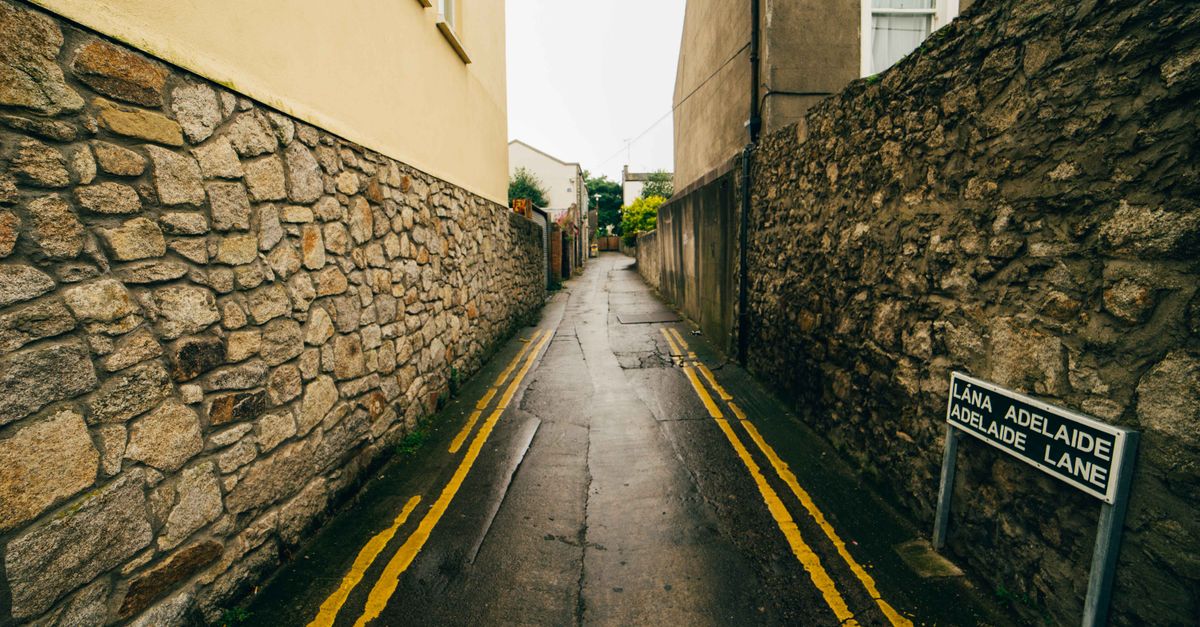 This photo was taken by Ian Porce on Pexels.
A Modern Tourist's Guide to the Author's Favorite Pubs and Parks
After immersing yourself in the foggy streets of Victorian London, the perfect respite awaits at some of Dickens' favorite haunts, where you can sip a pint while imagining the scenes that inspired his masterpieces. Start your journey at The George Inn in Southwark, the last remaining galleried coaching inn in London and a setting for several of his novels, before wandering to The Red Lion on Charterhouse Square, which he frequented as a young clerk. For a more literary atmosphere, seek out The Lamb & Flag in Covent Garden, known for its connection to Charles Dickens and Oliver Goldsmith, where the dark wood and low beams transport you back to an era of spirited debate and storytelling.
When the need for fresh air arises, step away from the bustling pubs and into the green sanctuaries that shaped the author's imagination, starting with Lincoln's Inn Fields, the very garden where Fagin and his gang gathered in "Oliver Twist." From there, take a leisurely stroll through Russell Square, a tranquil oasis near the British Museum that offers a glimpse of the quiet residential life Dickens often described, or head to St James's Park for a view of the skyline that has remained largely unchanged since the 19th century. These parks provide the ideal backdrop for reflecting on the social contrasts depicted in his works, allowing modern tourists to walk the same paths where the spirit of London's past still lingers among the trees.
 This photo was taken by Raduz on Pexels.