London's Literary Legacy: Bookshops, Cafes, and Author Homes
 This photo was taken by Tuur Tisseghem on Pexels.
Welcome to the capital where ink stains and cobblestones tell a story as rich as any novel. As your local guide, I invite you to step beyond the bustling streets of modern London and into the hallowed halls where literary giants once walked, thought, and wrote. From the gaslit alleys that inspired Charles Dickens to the quiet corners of Bloomsbury that shaped the modernist movement, this city has been the muse for generations of storytellers. In this post, we will embark on a journey through our most beloved literary landmarks, exploring the historic homes of famous authors, discovering the cozy cafes where masterpieces were penned over steaming cups of tea, and wandering through iconic bookshops that have stood as sanctuaries for readers for centuries. So, grab your favorite paperback and let's begin walking in the footsteps of history.
Walking in the Footsteps of Dickens: A Tour of Author Homes
Begin your literary pilgrimage at the charming Doughty Street, where Charles Dickens penned the early chapters of "The Pickwick Papers" and "Oliver Twist." This preserved Georgian townhouse offers an intimate glimpse into the life of a young author struggling against poverty before his meteoric rise to fame. As you wander through the modest rooms filled with period furniture and original manuscripts, you can almost hear the scratch of his pen echoing off the walls, imagining the bustling London streets that inspired his vivid characters. Just a short walk away, the Charles Dickens Museum in Bloomsbury stands as a testament to his later years, showcasing his personal library and the very desk where he crafted some of his most enduring masterpieces.
Continue your journey through the foggy alleys of 19th-century London by visiting the sites where other literary giants once found inspiration, such as the former home of Virginia Woolf in Gordon Square or the cozy lodgings of Samuel Johnson near Fleet Street. Many of these locations have been transformed into quiet sanctuaries for book lovers, often featuring small cafes that serve the same strong tea and warm scones that fueled generations of writers. Whether you are tracing the footsteps of a Victorian novelist or simply enjoying a cup of coffee in a room where history was made, these tours provide a profound connection to the city's rich narrative past, turning every cobblestone street into a page from a living storybook.
 This photo was taken by Mintu Gupta on Pexels.
The Cozy Corners: Historic Cafes Where Writers Wrote
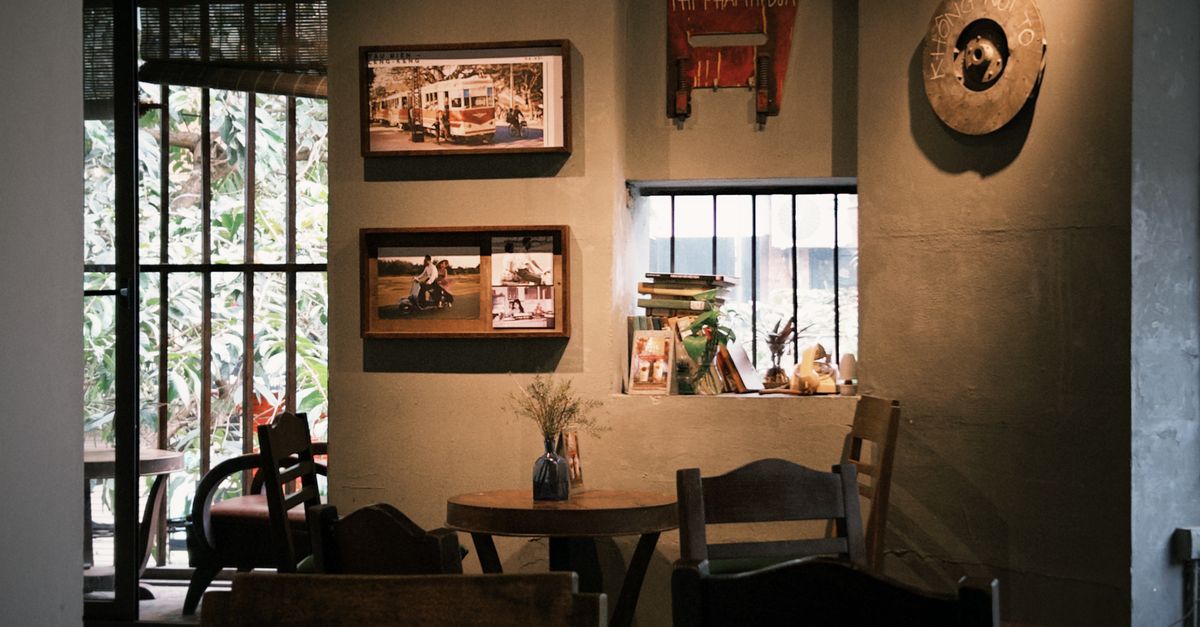
Wander through the misty streets of Bloomsbury and you will find yourself stepping into the very pages of literary history at cafes like The Lamb & Flag or the historic corner of Groucho Club, where the air once thick with the scent of strong coffee and tobacco was filled with the whispers of giants. It was here that Virginia Woolf found her rhythm for To the Lighthouse, while Charles Dickens is said to have penned his most biting social commentaries over a cup of tea in establishments that have stood unchanged for centuries. These cozy corners are not merely places to refuel; they are sanctuaries where the clatter of cups provided the perfect backdrop for some of the world's most enduring narratives, inviting modern visitors to sit in the same wooden chairs and imagine the creative sparks that flew during long afternoons of contemplation.
For the literary traveler, these historic cafes offer more than just a menu; they provide a tangible connection to the minds that shaped our cultural landscape. Whether you are sipping an Earl Grey at the original site of the Hogarth Press or tracing the path of T.S. Eliot through the quiet nooks of Soho, you become part of an ongoing story that spans generations. Many of these venues still display memorabilia, old photographs, and even the very desks used by their famous patrons, allowing you to feel the weight of inspiration in every sip. As you explore London's literary legacy, taking a moment to pause in one of these atmospheric spots transforms a simple coffee break into a pilgrimage, bridging the gap between the past and present with every page turned and every story told.
 This photo was taken by Jayce Q on Pexels.
From Charing Cross to Bloomsbury: London's Most Iconic Bookshops
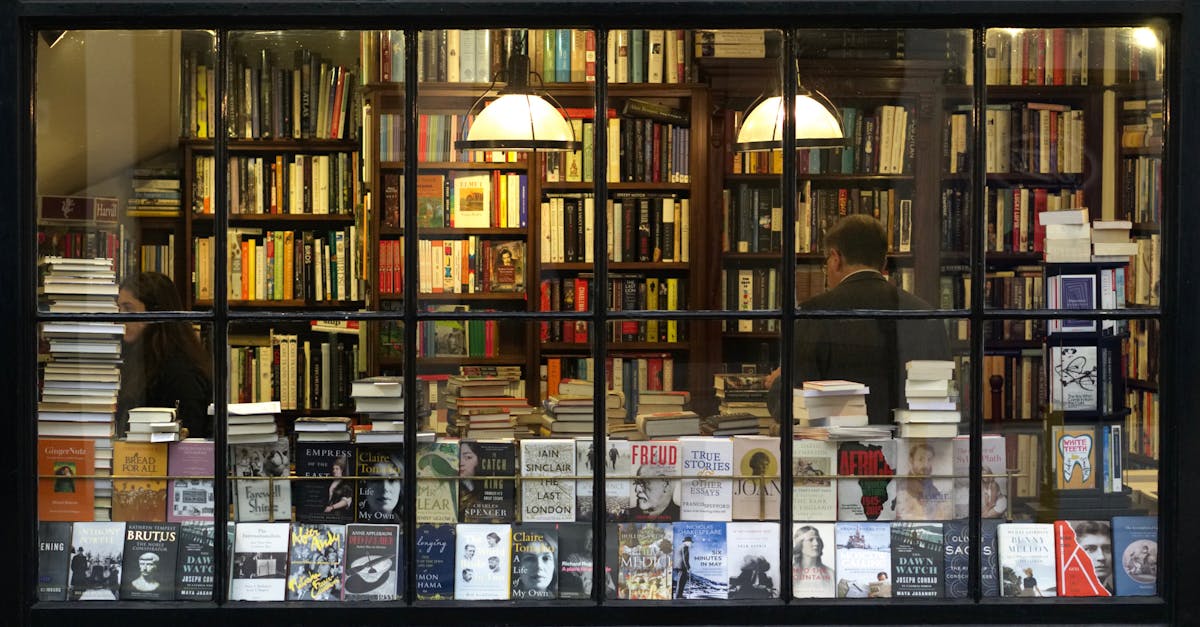
Begin your literary pilgrimage at the bustling heart of Trafalgar Square, where Charing Cross Road stands as a vibrant artery connecting history with the present. Here, you will find the legendary Daunt Books, renowned for its soaring wooden shelves that guide visitors through a curated labyrinth of travel literature, and the iconic Foyles, a sprawling emporium that has entertained everyone from Agatha Christie to modern-day thrill-seekers since 1903. As you wander these cobblestone streets, the scent of old paper mingles with the city's energy, offering a perfect contrast to the grandeur of nearby monuments and providing an intimate glimpse into London's enduring love affair with reading.
Continuing northward along this celebrated route, the journey leads you into the intellectual sanctuary of Bloomsbury, a district that once served as the creative hub for the famous Bloomsbury Group. In this quiet corner of the city, independent gems like Hurst & Co. offer a cozy retreat amidst towering bookshelves, while the historic British Library nearby houses the original manuscripts of Dickens and Austen, bridging the gap between the physical shop experience and tangible literary history. Whether you are hunting for a rare first edition or simply enjoying a cup of tea in a classic Victorian cafe surrounded by stacks of books, this stretch of London offers an unparalleled immersion into the nation's rich cultural heritage.
 This photo was taken by Erik Mclean on Pexels.