London's Historic Pubs: A Tour Through Time and Ale
 This photo was taken by Daria Agafonova on Pexels.
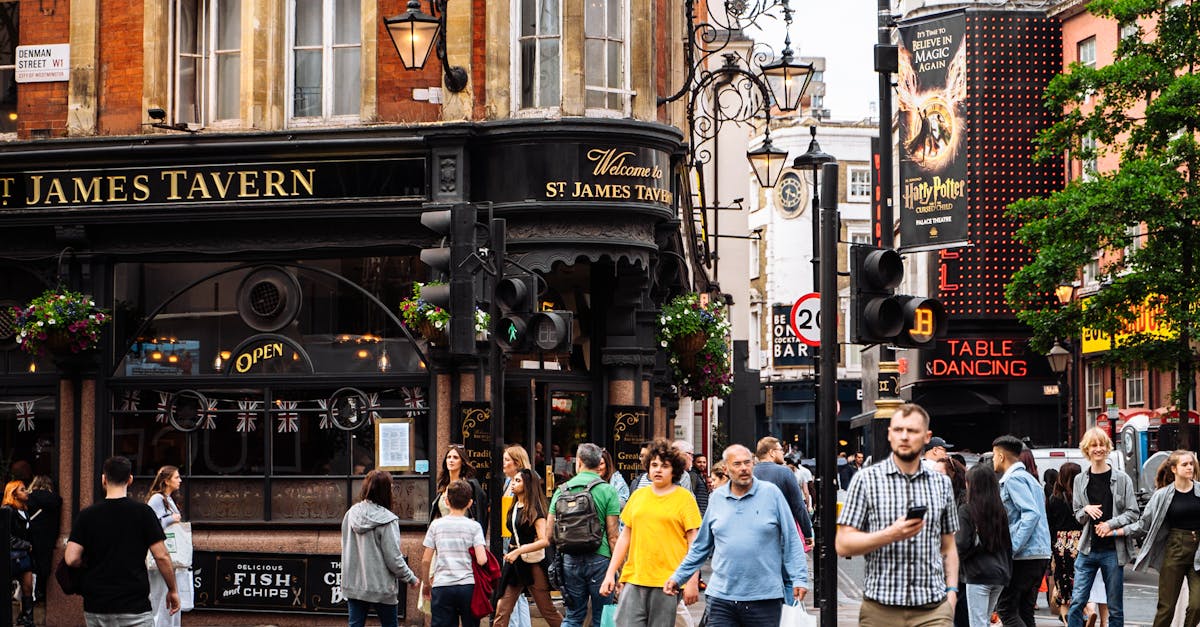
Welcome to the beating heart of London, where cobblestones whisper tales of centuries past and every pint tells a story. As your local guide, I invite you to step away from the modern hustle and into the warm, timber-framed embrace of our city's historic pubs. These are not merely places to quench your thirst; they are living museums where Roman roads once trod, Tudor monarchs raised their glasses, and literary giants like Charles Dickens found their muse. In this journey through time and ale, we will uncover the ancient origins of these sanctuaries, meet the famous patrons who shaped their legacy, and explore hidden gems that have managed to preserve the authentic atmosphere of old London. So, loosen your tie and prepare to raise a glass to history.
This photo was taken by Daria Agafonova on Pexels.
Welcome to the beating heart of London, where cobblestones whisper tales of centuries past and every pint tells a story. As your local guide, I invite you to step away from the modern hustle and into the warm, timber-framed embrace of our city's historic pubs. These are not merely places to quench your thirst; they are living museums where Roman roads once trod, Tudor monarchs raised their glasses, and literary giants like Charles Dickens found their muse. In this journey through time and ale, we will uncover the ancient origins of these sanctuaries, meet the famous patrons who shaped their legacy, and explore hidden gems that have managed to preserve the authentic atmosphere of old London. So, loosen your tie and prepare to raise a glass to history.
The Ancient Origins: From Roman Roads to Tudor Taverns
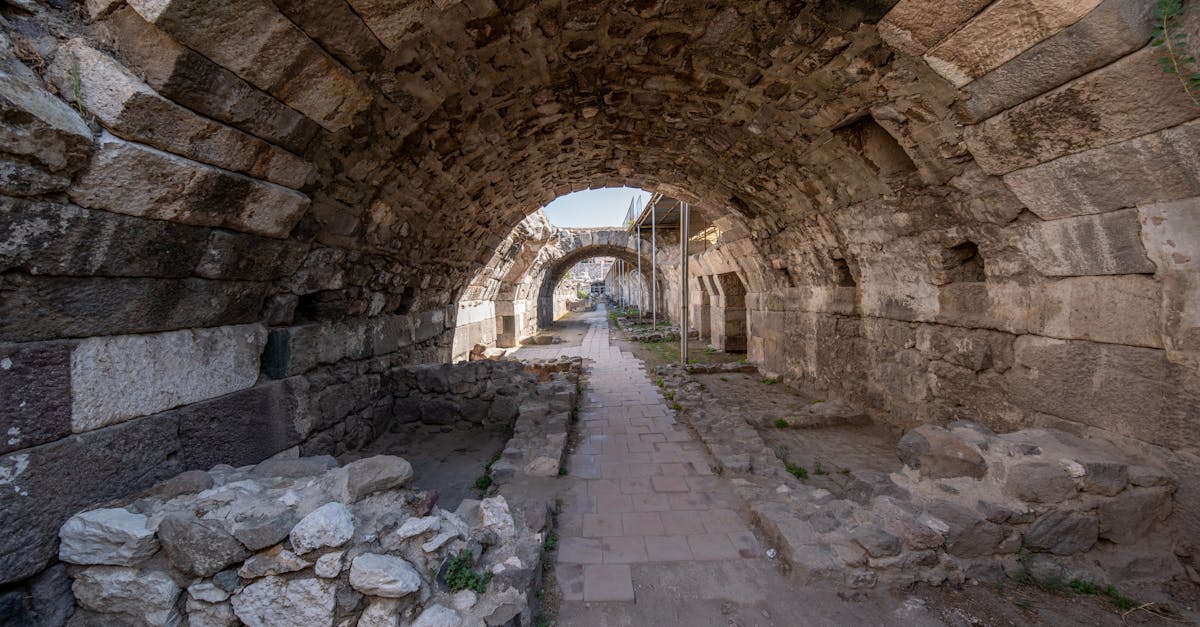
London's historic pubs are not merely places to enjoy a pint; they are living archives embedded within the city's very fabric, tracing a lineage that stretches back to Roman times. Beneath the cobblestones of modern streets like Cheapside and Fleet Street lie remnants of ancient Roman roads and bathhouses, where early travelers likely sought shelter in rudimentary taverns serving mulled wine and ale. As the centuries rolled on through the medieval period, these simple waystations evolved into bustling hubs of community life, eventually giving rise to the iconic structures we recognize today. The transition from Roman encampments to the vibrant street scenes of the Middle Ages set the stage for an enduring tradition where the walls themselves seem to whisper tales of emperors, merchants, and pilgrims who once trod these same paths.
The narrative deepens as we step into the Tudor era, a golden age for London's drinking establishments that transformed them into the sophisticated taverns of our imagination. It was during this time, under the reigns of Henry VIII and Elizabeth I, that the distinction between a mere alehouse and a true public house began to solidify, with many venues featuring timber-framed facades and cozy, wood-paneled interiors designed to withstand the chill of English winters. These were the haunts of playwrights, poets, and politicians, where the clinking of tankards echoed against plastered walls adorned with heraldic crests. Walking through areas like Southwark or Clerkenwell today, one can still feel the atmospheric weight of history, imagining the laughter and heated debates that filled these rooms five hundred years ago, proving that the spirit of London's past remains as potent as its finest ale.
 This photo was taken by Doğan Alpaslan Demir on Pexels.
Sipping History: Famous Patrons and Literary Legends
Step inside the hallowed, oak-beamed doors of London's oldest pubs, where the air is thick not just with the aroma of roasted malt and woodsmoke, but with the echoes of literary giants who once sat upon these very stools. In the cozy corners of The George Inn in Southwark, you can almost hear the laughter of William Shakespeare, a frequent visitor to this historic coaching inn that served as a backdrop for his plays. Similarly, the hushed atmosphere of The Red Lion in Fleet Street invites you to imagine Charles Dickens sketching out his iconic characters over a pint of bitter, while the grandeur of The Golden Cross in Holborn recalls the days when Samuel Johnson debated philosophy with his friends, turning simple ale into fuel for some of the most profound intellectual movements in history.
For the modern traveler, sipping a pint at these legendary establishments offers more than just refreshment; it is a tangible connection to the past, allowing you to walk in the footsteps of figures like Daniel Defoe, who famously chronicled the city's life from such vantage points. As you raise your glass at The Lamb & Flag in Covent Garden, you join a lineage of patrons ranging from pirates and poets to politicians and playwrights, all united by their love for London's rich brew culture. These walls have witnessed revolutions, romances, and rivalries, making every sip an immersive journey through time where the boundary between the present moment and centuries of literary legend beautifully dissolves.
 This photo was taken by cottonbro studio on Pexels.
Hidden Gems: Preserving the Atmosphere of Old London
While the bustling crowds flock to famous landmarks, true Londoners know that the city's most enchanting secrets lie tucked away in its narrowest alleyways and quietest courtyards. These hidden gems, often unassuming brick-fronted establishments dating back centuries, offer a sanctuary where the atmosphere of Old London is meticulously preserved. Stepping through their heavy oak doors feels like stepping into a time capsule, where the air is thick with the scent of aged wood, polished brass, and the gentle murmur of conversation that has echoed through these rooms for generations. Unlike the modernized chains that have proliferated across the capital, these historic pubs maintain their original charm, featuring low beams, cozy nooks, and fireplaces that have warmed travelers since the days of Dickens.
Preserving this unique atmosphere requires a delicate balance between honoring tradition and welcoming the present day. Many of these independent venues refuse to alter their interiors or menus, insisting on serving real ale poured from hand pumps and offering food recipes that have remained unchanged for decades. This steadfast commitment ensures that the soul of the city remains intact, providing visitors with an authentic glimpse into London's past without the gloss of commercialization. By choosing to visit these lesser-known spots, tourists not only enjoy a superior pint but also become active participants in safeguarding the cultural heritage of the capital, ensuring that the magic of Old London continues to thrive amidst the ever-evolving skyline.
 This photo was taken by Erik Mclean on Pexels.