London Transport Hacks: Navigating the Tube Like a Pro
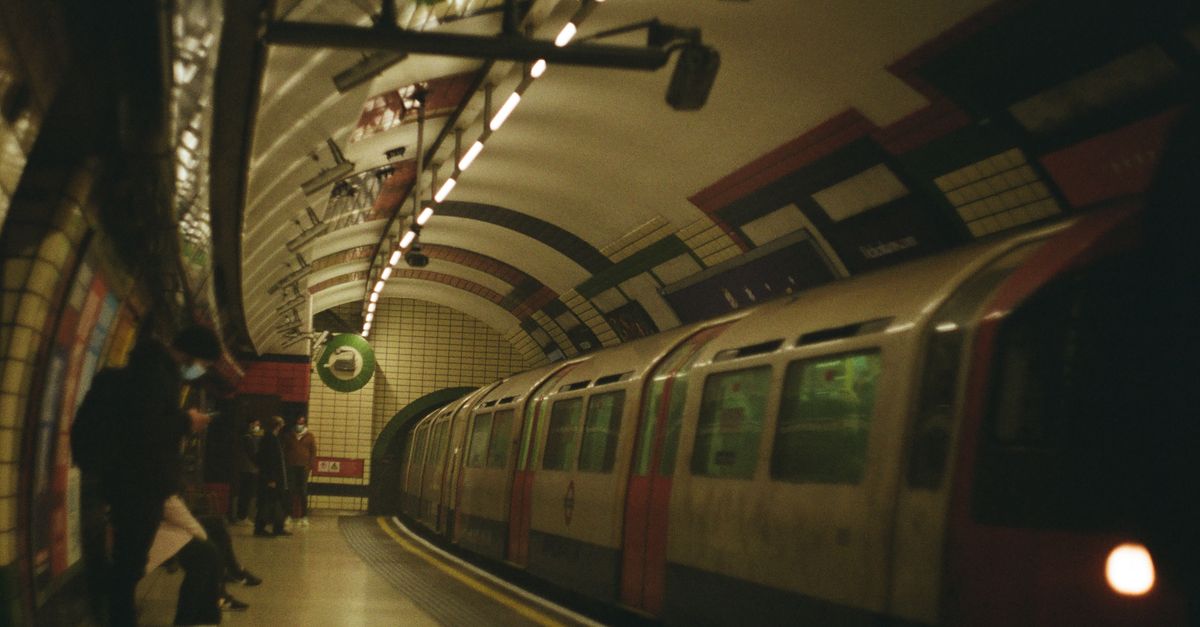 This photo was taken by Annija Mieze on Pexels.
Welcome to the beating heart of London, where the iconic red double-decker buses and the sprawling Underground network weave together the city's vibrant tapestry. Yet, for many first-time visitors, navigating this vast transit system can feel like deciphering an ancient code. Fear not! Whether you are rushing to catch a train at King's Cross or seeking a quiet moment on a less crowded line, mastering the art of getting around is your key to unlocking the true magic of our capital. In this guide, we will demystify the payment systems, reveal the golden hours for travel, and share station secrets that even seasoned locals cherish, ensuring your journey through London is as smooth and efficient as it is memorable.
Mastering the Oyster Card and Contactless Magic
Unlocking the secrets of London's transport system begins with mastering the Oyster Card, a versatile smart card that offers significant savings compared to single paper tickets. Whether you are visiting for a day or staying for weeks, loading credit onto an Oyster allows you to tap in and out seamlessly across the Underground, buses, trams, the Docklands Light Railway (DLR), and even most National Rail services within the city. The true power of this card lies in its daily capping feature; once you reach a specific spending limit on your journey, any further travel for that day becomes free, ensuring you never pay more than necessary while exploring the capital's extensive network.
For many modern travelers, the "Contactless Magic" of using a bank card or mobile device has become the ultimate hack, effectively replicating all the benefits of an Oyster Card without the need to purchase one beforehand. By simply tapping your contactless debit or credit card, Apple Pay, or Google Wallet at the yellow readers on station gates and bus entrances, the system automatically calculates the best fare and applies daily caps just like a physical Oyster. This frictionless approach eliminates the risk of losing a separate card and provides a seamless experience from Heathrow Express to a local bus in Camden, making navigating London as effortless as tapping your way through a coffee shop line.
 This photo was taken by Pixabay on Pexels.
Avoiding the Rush: Smart Times to Travel
While the London Underground is a marvel of engineering, its peak hours between 7:30 AM and 9:30 AM, and again from 5:00 PM to 7:00 PM, can transform your journey into a sweaty squeeze rather than a sightseeing adventure. To truly enjoy the city's transit system, aim to travel during the "shoulder times" just before or after these rush windows; for instance, heading out at 10:00 AM allows you to board a relatively empty train where you can actually secure a seat and plan your next stop without jostling for space. Similarly, late afternoon trips starting after 7:30 PM offer a much more relaxed atmosphere, giving you the opportunity to admire the station architecture and listen to the iconic chimes without the pressure of the daily commuter crush.
For those with flexible schedules, utilizing the early morning slots before 7:00 AM or the mid-day lull between 11:00 AM and 3:00 PM is a strategic move that pays off in comfort and time efficiency. During these quieter periods, trains run less frequently packed, meaning you are far less likely to miss a connection due to overcrowding at the platform gates, and you will find it significantly easier to navigate the often labyrinthine station maps. By syncing your exploration of landmarks like the British Museum or Covent Garden with these smart travel windows, you not only avoid the stress of the notorious "crush" but also ensure you arrive at your destination refreshed and ready to immerse yourself in the vibrant culture of London.
 This photo was taken by Erik Mclean on Pexels.
Hidden Routes and Station Secrets for Faster Commutes
 This photo was taken by jade xie on Pexels.