London Transport Guide: Navigating the Tube Like a Pro
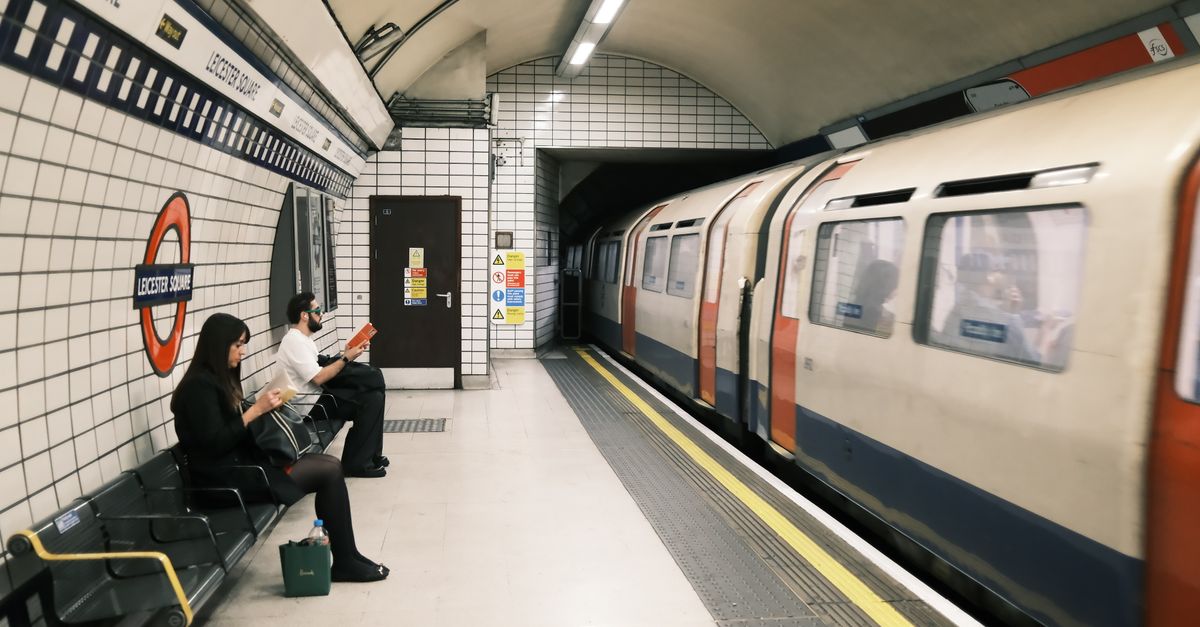 This photo was taken by Mingyang LIU on Pexels.
Welcome to the beating heart of London, where beneath the bustling streets lies a labyrinth of tunnels that has connected this vibrant city for over 160 years. Whether you are a first-time visitor eager to see the sights or a seasoned traveler looking to optimize your journey, mastering the Underground is essential to truly experiencing our capital like a local. In this guide, we will demystify the system by walking you through the seamless process of using Oyster Cards and contactless payments, revealing the best strategies to dodge the infamous rush hour crowds, and helping you confidently decode the iconic Tube map and its zone system. Get ready to navigate the network with confidence and make every trip across London an adventure in itself.
This photo was taken by Mingyang LIU on Pexels.
Welcome to the beating heart of London, where beneath the bustling streets lies a labyrinth of tunnels that has connected this vibrant city for over 160 years. Whether you are a first-time visitor eager to see the sights or a seasoned traveler looking to optimize your journey, mastering the Underground is essential to truly experiencing our capital like a local. In this guide, we will demystify the system by walking you through the seamless process of using Oyster Cards and contactless payments, revealing the best strategies to dodge the infamous rush hour crowds, and helping you confidently decode the iconic Tube map and its zone system. Get ready to navigate the network with confidence and make every trip across London an adventure in itself.
Mastering the Oyster Card and Contactless Payments
To navigate London's extensive transport network with ease, the Oyster card remains a timeless favorite for visitors seeking simplicity and cost savings. This smart pink card allows you to tap in and out at any Underground, Overground, DLR, or bus stop, automatically calculating the cheapest fare for your journey through daily and weekly capping mechanisms that prevent you from overspending. While you can purchase an Oyster card at any Tube station ticket machine or visitor center, remember to top it up before your trip begins; however, if you prefer not to carry physical cards, modern travelers often find their smartphones or contactless bank cards just as effective.
In fact, using a contactless payment method—whether via credit card, debit card, or digital wallets like Apple Pay and Google Pay—is now the most convenient option for many tourists, offering identical fare caps and benefits as the Oyster card without the need for registration or collection. Simply tap your device on the yellow reader at the start and end of every journey, ensuring you use the same card or device for both entry and exit to avoid being charged a maximum penalty fare. Whether you choose the classic Oyster or the seamless convenience of contactless, mastering this system ensures your commute between iconic landmarks like Buckingham Palace and the Tower Bridge is smooth, affordable, and hassle-free.
 This photo was taken by Pixabay on Pexels.
Avoiding Rush Hour: Peak vs. Off-Peak Travel Times
Navigating the London Underground during peak hours, typically between 7:00 AM and 9:30 AM on weekdays, is an experience that tests even the most seasoned traveler's patience. The Tube transforms into a crowded corridor where personal space becomes a luxury, and platforms buzz with the frantic energy of commuters rushing to work. If you can possibly adjust your itinerary, aim to travel outside these windows; visiting major attractions like the Tower of London or St. Paul's Cathedral in the late morning or early afternoon allows you to board trains with ease and enjoy a more relaxed journey through the city's historic underbelly.
For those who must travel during busy times, mastering the art of off-peak travel involves strategic planning and knowing which lines offer respite. While the Central and Northern lines often resemble sardine cans, branches of the District or Circle lines can sometimes provide slightly more breathing room if you are willing to walk an extra two stops from your final destination. Additionally, consider utilizing the "quiet carriages" on certain lines or simply timing your return trip for after 9:30 PM, when the city's pulse slows down, and the underground returns to its rhythmic hum rather than its chaotic roar, offering a serene conclusion to your day exploring London.
 This photo was taken by Loic Van Montagu on Pexels.
Decoding the Tube Map and Zone System
Decoding the iconic London Underground map is your first step toward mastering the city's transport network, a feat made easier by Harry Beck's revolutionary 1931 design that prioritizes clarity over geographical accuracy. Instead of trying to match every curve of the river or street, focus on the color-coded lines and the distinct symbols: solid circles represent interchange stations where you can switch between lines, while open circles indicate standard stops. Remember that the map is a schematic tool designed for navigation logic rather than physical distance; a short walk in real life might span several "stations" on the diagram, so always check the direction arrows carefully to ensure you are heading toward your destination zone rather than the opposite end of the line.
Understanding the Zone System is equally crucial for managing your budget, as fares are calculated based on the number of zones you travel through, ranging from central Zone 1 to the outer reaches of Zone 6. Most major tourist attractions, including Buckingham Palace, the Tower of London, and Westminster Abbey, fall comfortably within Zones 1 and 2, meaning a simple daily cap will likely cover all your sightseeing needs without breaking the bank. While you can purchase paper tickets at stations, using an Oyster card or contactless payment method is highly recommended, as these automatically apply the cheapest fare and daily price caps, ensuring you never pay more than necessary regardless of how many journeys you make across the different zones.
 This photo was taken by Altaf Shah on Pexels.