London Through the Ages: Historical Sites That Tell the City's Story
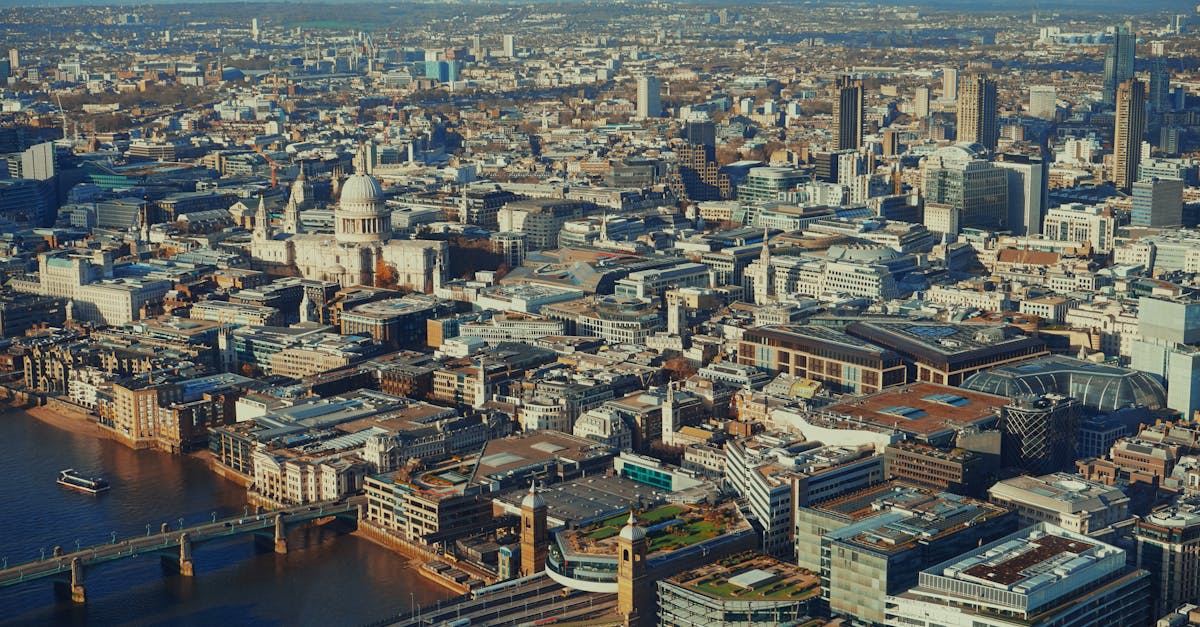 This photo was taken by Mike Bird on Pexels.
Welcome to the heart of England, where every cobblestone whispers a tale and every grand façade holds centuries of secrets. As your guide through this magnificent metropolis, I invite you to embark on a journey that transcends time. London is not merely a city; it is a living museum where the echoes of ancient kings mingle with the hum of modern life. In this post, we will explore the enduring landmarks that have shaped our capital's identity, from the blood-soaked ramparts of a medieval fortress to the soaring spires that have witnessed coronations and rebirths. Join me as we step back in time to discover the historical sites that truly tell the story of London.
The Tower of London: A Fortress Through the Centuries
Standing proudly on the north bank of the River Thames, the Tower of London is far more than a single monument; it is a sprawling fortress that has witnessed over 900 years of British history. Founded by William the Conqueror in the 1070s, this UNESCO World Heritage site was originally built to assert Norman authority and protect the city, evolving from a simple wooden stockade into the formidable stone keep we see today. As you wander through its ancient walls, you will encounter the legendary White Tower, once the ultimate symbol of royal power, and the grim dungeons where notorious prisoners like Sir Walter Raleigh and Anne Boleyn met their fates. The atmosphere here is thick with intrigue, offering visitors a tangible connection to the bloody intrigues, political betrayals, and dramatic escapes that have shaped the nation's narrative.
No visit to this iconic landmark would be complete without seeing the Crown Jewels, a dazzling collection of regalia housed within the Waterloo Block that includes the massive Cullinan Diamond and St Edward's Crown. Beyond the glittering treasures, the Tower remains one of the few places in the world where the legend of the ravens can be observed firsthand; tradition holds that if the six resident ravens ever leave the premises, the kingdom will fall, making their care a matter of national security. Whether you are exploring the Yeoman Warders' captivating stories during a guided tour or simply watching the sunset over the moat, the Tower of London stands as a powerful testament to London's resilience, serving as a royal palace, a prison, an arsenal, and a menagerie throughout the ages.
 This photo was taken by Erik Mclean on Pexels.
Westminster Abbey: Where Monarchs and History Converge
Step through the ancient stone arches of Westminster Abbey, a place where over 900 years of British history have unfolded in breathtaking detail. As the coronation church of every reigning monarch since William the Conqueror in 1066, this Gothic masterpiece is far more than a religious sanctuary; it is the spiritual heart of the nation where crowns are placed upon heads and royal vows are sealed before the eyes of history. Wander through the Nave to stand beside the Poets' Corner, where literary giants like Charles Dickens and Geoffrey Chaucer rest in eternal slumber, their legacies preserved alongside the tombs of kings and queens who shaped the destiny of an empire.
Beyond its ceremonial grandeur, the Abbey serves as a living chronicle of London's evolution, with each stained-glass window and carved effigy whispering tales of triumph, tragedy, and resilience. From the hallowed silence of Henry VII's Chapel to the vibrant energy of modern state funerals that draw millions from around the globe, the site remains a powerful convergence point for the past and present. Whether you are tracing the footsteps of royalty or simply marveling at the intricate architectural details that have survived centuries of change, Westminster Abbey offers an unparalleled journey through the very soul of England, reminding visitors that here, history is not just studied—it is felt.
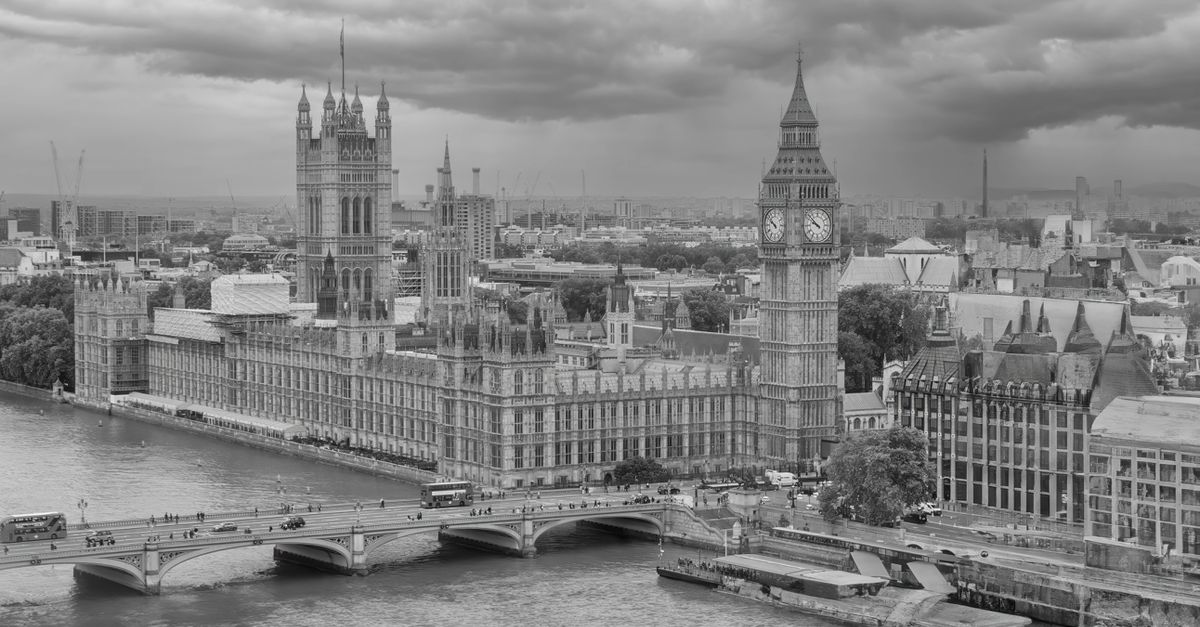 This photo was taken by Kao Jimmy on Pexels.
St. Paul's Cathedral: Rising from Ashes to Icon
Perched atop Ludgate Hill, St. Paul's Cathedral stands as a majestic testament to resilience, its iconic dome dominating the London skyline for over three centuries. Designed by Sir Christopher Wren following the Great Fire of 1666, which razed the previous Gothic structure to the ground, this masterpiece of English Baroque architecture was born from the city's ashes. As you ascend the Whispering Gallery or climb the Golden Stairs to the lantern, you are not merely visiting a church but walking through a narrative of rebirth, where every stone whispers of the catastrophic fire and the magnificent vision that rose from the rubble to become a symbol of London's enduring spirit.
Throughout history, this architectural marvel has served as more than just a place of worship; it is a stage for the nation's most pivotal moments, from the funeral of Admiral Nelson and Winston Churchill to the royal weddings of Princess Elizabeth and Prince Philip. Its presence has witnessed the roaring of World War II bombs during the Blitz, yet the cathedral remained standing, offering hope and shelter to countless Londoners amidst the darkness. Today, as tourists gather in the nave to admire the intricate mosaics and feel the weight of centuries of history, they connect with a living chronicle that tells the story of a city that has repeatedly faced destruction only to emerge stronger, more beautiful, and undeniably iconic.
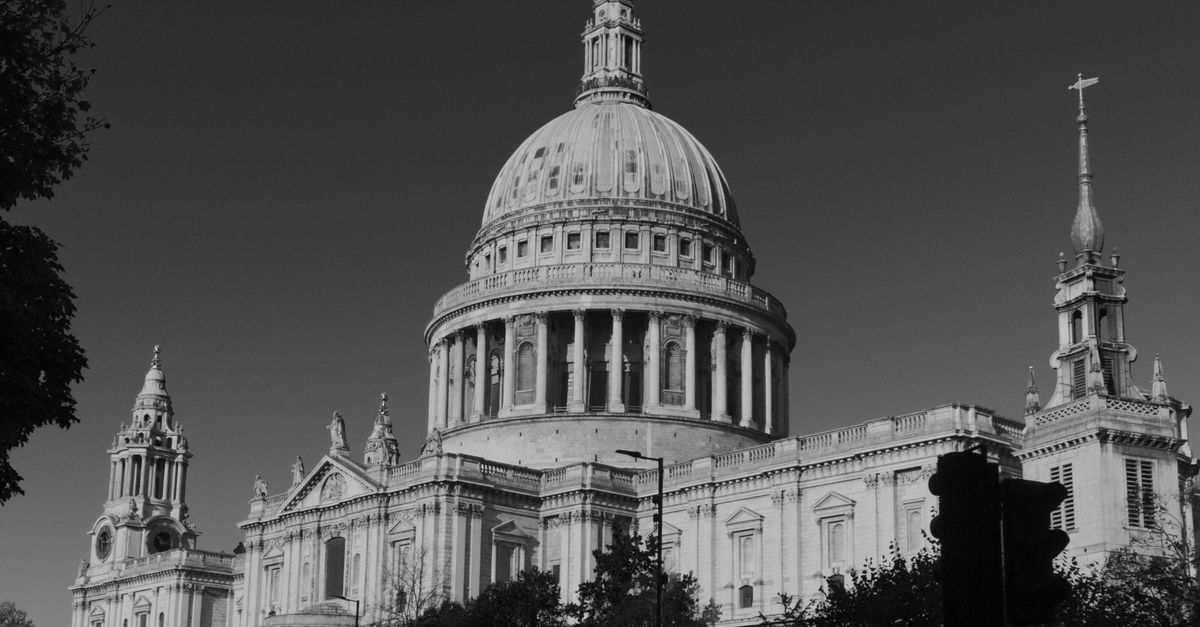 This photo was taken by Abdus Samad Mahkri on Pexels.