Literary London: Walking in the Footsteps of Dickens and Shakespeare
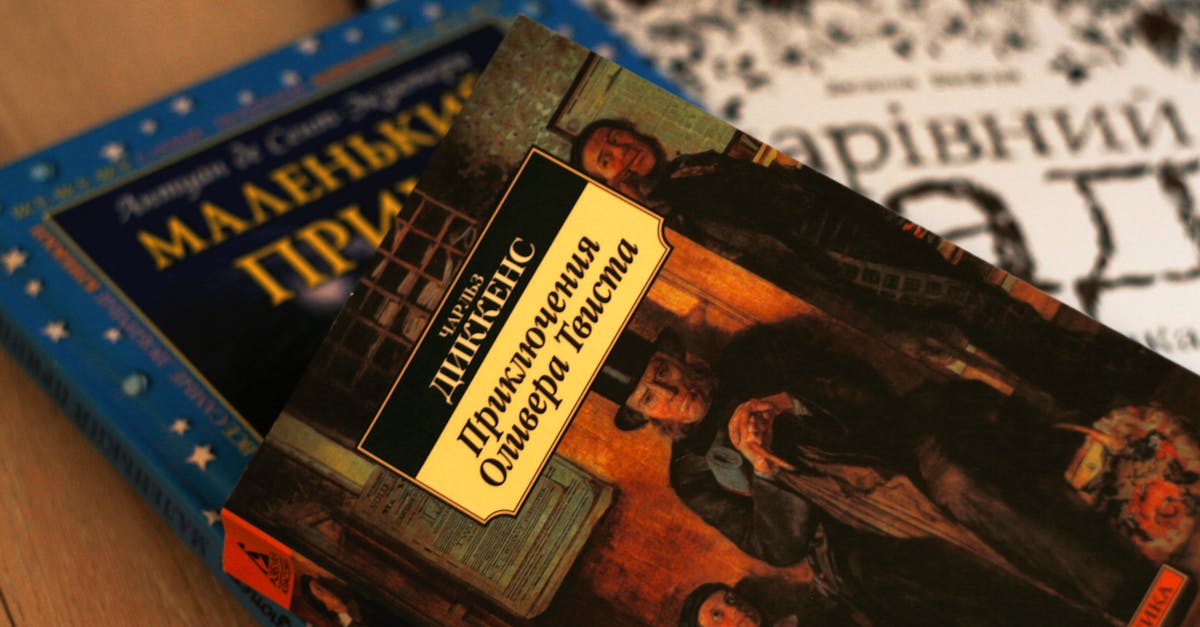 This photo was taken by Inna Lesyk on Pexels.
Welcome to the beating heart of English literature, where cobblestones whisper tales of wit and tragedy, and every alleyway holds a ghost from the past. As your guide through this vibrant city, I invite you to embark on a journey that transcends time, stepping directly into the worlds created by two of its most celebrated sons: William Shakespeare and Charles Dickens. From the sun-drenched stages of the Elizabethan era to the misty, gaslit streets of Victorian London, our adventure will reveal how these literary giants shaped not only their stories but the very soul of the capital itself. Whether you are a devoted scholar or a curious visitor, prepare to walk in their footsteps, uncover hidden corners where legends once wrote, and experience the magic of Literary London like never before.
Shakespeare's Globe and the South Bank: A Journey Through Elizabethan London
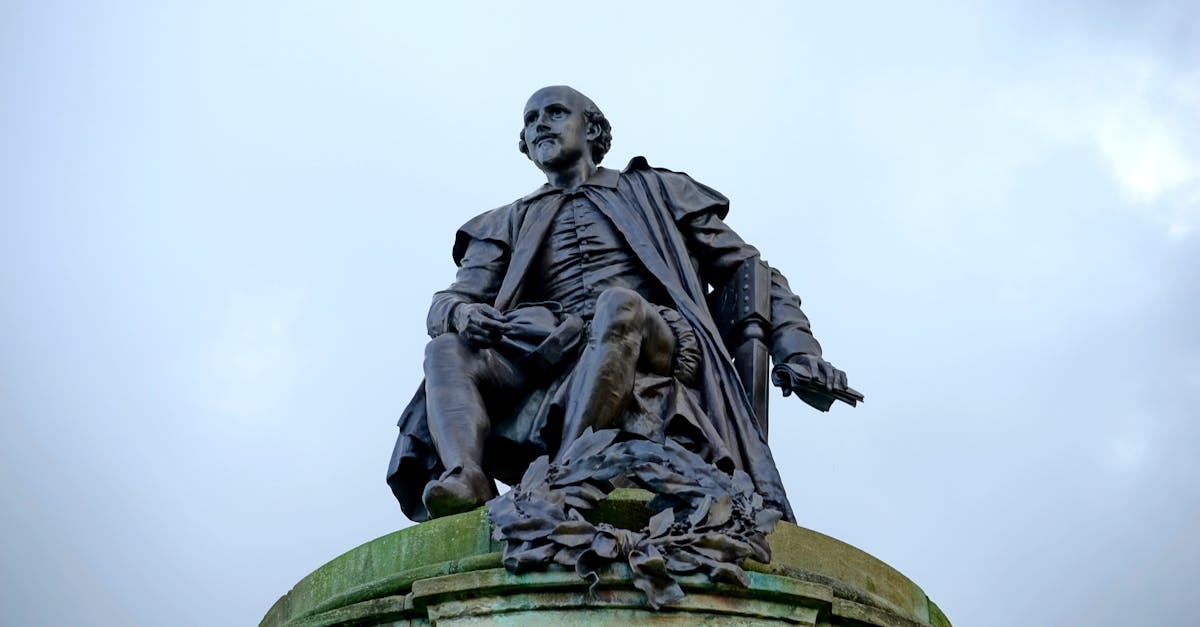
Begin your literary pilgrimage at the iconic Shakespeare's Globe, a magnificent reconstruction of the original Elizabethan playhouse that once stood on the south bank of the Thames. Stepping through its wooden O structure transports you back to 1599, where you can experience the raw energy of a groundling standing in the yard or enjoy a seated performance under the open sky. This immersive venue not only celebrates the Bard's enduring legacy but also offers a unique glimpse into the vibrant theatrical culture of Renaissance London, making it the perfect starting point for understanding the city's rich dramatic history.
Just steps away lies the bustling South Bank, a cultural artery that mirrors the dynamic spirit of the era while serving as a modern hub for arts and entertainment. As you stroll along this riverside promenade, you will find the Tate Modern, the National Theatre, and numerous street performers who echo the lively atmosphere that once drew crowds to the nearby Rose and Swan theatres. Walking here connects the past with the present, allowing you to trace the same path that Shakespeare and his contemporaries took, bridging the gap between the grandeur of Elizabethan drama and the contemporary pulse of London's creative scene.
 This photo was taken by Mike Bird on Pexels.
Dickens' London: Tracing the Foggy Streets of Oliver Twist
Step into the atmospheric world of Charles Dickens by wandering through the cobblestone alleys of Holborn and Fleet Street, where the misty London of Oliver Twist once clung to the gas lamps. As you trace the route from the workhouse on St Giles's Rookery to the fog-choked banks of the Thames, imagine the desperate struggles of Fagin's gang and the innocent plight of Oliver himself. The air here still carries a sense of Victorian grit, with narrow passageways like those near Lincoln's Inn Fields echoing with the whispers of thieves and street urchins that Dickens so vividly captured in his social commentary.
For a deeper immersion, pause at the historic pubs and courtyards that served as backdrops for some of the novel's most tense scenes, such as the notorious Saffron Hill area which remains one of the few places in London retaining its old-world charm. While modern life has swept away many of the squalid conditions described in the book, the spirit of the city endures in the way the river winds through the urban landscape, inviting you to look closer at the brickwork and doorways that witnessed these literary dramas. By following this path, you are not merely sightseeing; you are walking through a living narrative where the foggy streets of the past continue to tell their haunting stories to the present day.
 This photo was taken by Erik Mclean on Pexels.
Hidden Literary Gems: Cafes, Pubs, and Squares Where Legends Wrote
While the grandeur of the British Library often draws the crowds, the true magic of London's literary history lies in its unassuming corners where legends once sought inspiration. Venture into the shadowed alleyways of Covent Garden to find the very pub that inspired Charles Dickens, or wander through the quiet cobbled squares of Bloomsbury where Virginia Woolf and her circle crafted their revolutionary essays. These are not merely tourist traps but living monuments; step inside a traditional pub near Fleet Street and imagine the clinking of tankards as Samuel Johnson debated philosophy with his friends, or sit by the window of a quaint café in Chelsea where Oscar Wilde might have plotted his next witty epigram. The atmosphere here is thick with the ghosts of creativity, inviting you to trace the ink-stained footsteps of the past in spaces that have remained remarkably unchanged for centuries.
For the intrepid walker, the city offers a treasure hunt of literary landmarks hidden behind ordinary brick facades and bustling streets. Seek out the humble square in Kensington where George Orwell penned 1984 in a cramped attic, or explore the serene gardens of St. James's Park where T.S. Eliot found the rhythm for his modernist masterpiece. Each location tells a story not just of the author, but of the city itself, reflecting how London's diverse landscapes shaped the narratives of its greatest writers. By visiting these hidden gems, you transform from a passive observer into an active participant in London's ongoing literary journey, discovering that the city's most profound stories were often whispered over a cup of tea or scribbled on napkins in the dim light of a corner booth, waiting for you to uncover them today.
 This photo was taken by Erik Mclean on Pexels.