Literary London: Following in the Footsteps of Shakespeare and Dickens
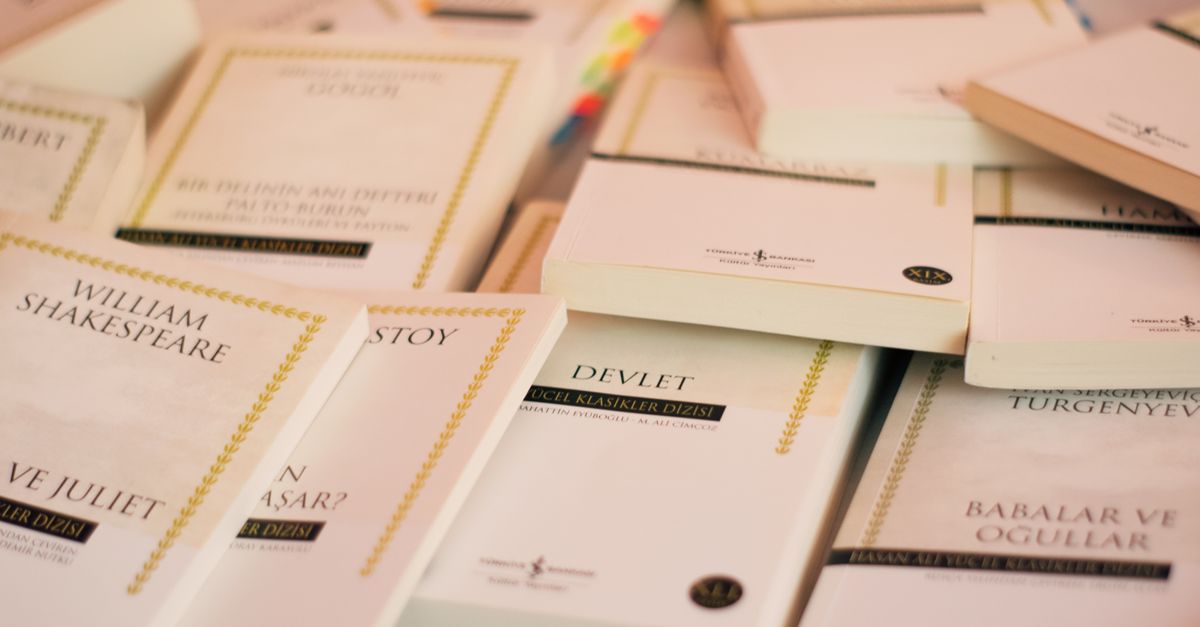 This photo was taken by Berna on Pexels.
Shakespeare's Globe: A Journey Through Elizabethan London
Step into the heart of Elizabethan London at Shakespeare's Globe, a magnificent reconstruction of the original theatre where the Bard himself once commanded the stage. As you walk through the wooden O and feel the sun on your face in the open-air yard, you are transported back to 1599, surrounded by thousands of spectators dressed in period attire. The architecture is not merely a backdrop but an immersive experience that reveals how plays were performed without artificial lighting or complex sets, relying instead on the power of language and the vivid imaginations of both actors and audience. Whether you are standing among the "groundlings" for just pennies or seated in the covered galleries, the atmosphere crackles with the same energy that fueled the Renaissance, offering a unique glimpse into the social fabric and cultural vibrancy of a city in flux.Beyond the sheer spectacle of the performances, the Globe serves as a living classroom for understanding the world that shaped William Shakespeare's greatest works. Guided tours delve into the historical context of the playhouses, explaining the rigorous apprenticeship system for actors, the strict censorship laws of the time, and the daily life of a Londoner navigating the bustling streets near the Thames. By engaging with interactive exhibits and attending talks by resident scholars, visitors gain a deeper appreciation for the linguistic innovation and human drama that continue to resonate today. This journey through Elizabethan London does more than celebrate a literary giant; it illuminates the very roots of modern English theatre, proving that the stories told here centuries ago remain as relevant and captivating as ever.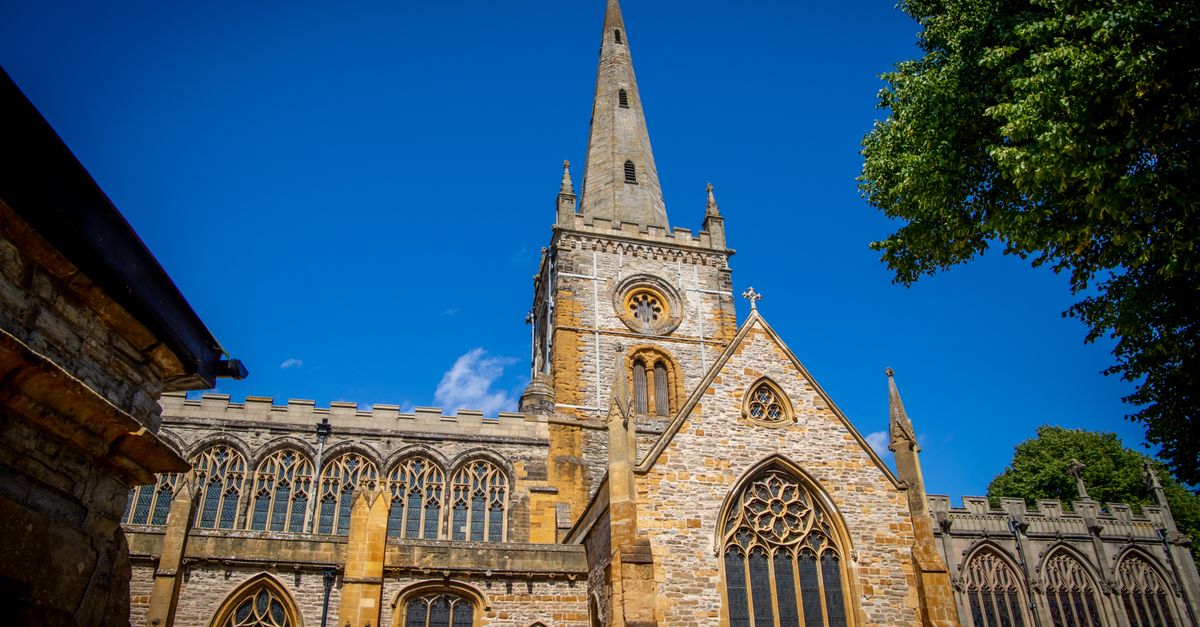 This photo was taken by David Roberts on Pexels.
Dickensian Shadows: Walking the Cobblestones of Victorian East End
While Shakespeare's London dazzles with the golden age of theatre, a different kind of magic haunts the winding alleyways of the Victorian East End, where Charles Dickens once roamed. Here, in the shadowed corners of Whitechapel and Spitalfields, the cobblestones seem to whisper tales of fog-bound nights and bustling markets that defined an era of stark contrasts. As you trace the route from the historic St. Giles to the former home of the author at Doughty Street, you will find yourself immersed in a world where the grandeur of empire met the grit of poverty, much like the settings in "Oliver Twist" or "Bleak House." The air still carries a faint echo of coal smoke and rain, inviting you to imagine the ghosts of pickpockets, street urchins, and desperate souls who populated these very streets over a century ago.
Today, this atmospheric journey offers more than just history; it provides a visceral connection to the social conscience that drove one of England's greatest writers. Walking along the preserved cobbles near Brick Lane, you can visit the recreated workhouses and pubs that served as backdrops for Dickens' most poignant critiques of society. Each turn reveals a layer of the past, from the grimy tenements that housed the working class to the opulent warehouses of the merchants, illustrating the vast divide he so masterfully depicted. By following these literary footsteps, tourists do not merely sightsee but step into a living narrative, experiencing the emotional weight and vibrant reality of Victorian London through the eyes of the man who captured its soul.
 This photo was taken by Erik Mclean on Pexels.
Hidden Literary Gems: From Fleet Street to Bloomsbury
While the grandeur of Shakespeare's Globe Theatre draws the crowds, a more intimate literary journey awaits along the historic Fleet Street. Once the beating heart of London's publishing industry, this cobblestoned artery is now dotted with quiet courtyards and narrow alleys that whisper tales of Dickens, Swift, and Defoe. Wander past the old printing presses to find St Bride's Church, where you might catch a glimpse of the typographer's art, or step into the shadowy lanes of Chancery Lane to imagine the legal dramas that fueled so many Victorian novels. These hidden corners offer a stark contrast to the bustling modern city, allowing you to trace the footsteps of authors who once inked their masterpieces in the very pubs and coffee houses you now sip your tea in.
Continuing your quest from the commercial hubs to the intellectual sanctuaries of Bloomsbury reveals a different side of London's literary soul. Here, the streets are lined with Georgian townhouses that once housed the avant-garde Bloomsbury Group, including Virginia Woolf and E.M. Forster, whose radical ideas reshaped modern literature. Visit the former home of Charles Dickens at 48 Doughty Street, preserved exactly as it was when he wrote "Oliver Twist," or stroll through the British Museum's Reading Room, which inspired countless characters in his works. This district invites you to slow down and engage with the city's intellectual history, transforming a simple walk into a pilgrimage through the minds of the writers who defined an era.
 This photo was taken by Pixabay on Pexels.