Historical Walks: Tracing London's Medieval Roots
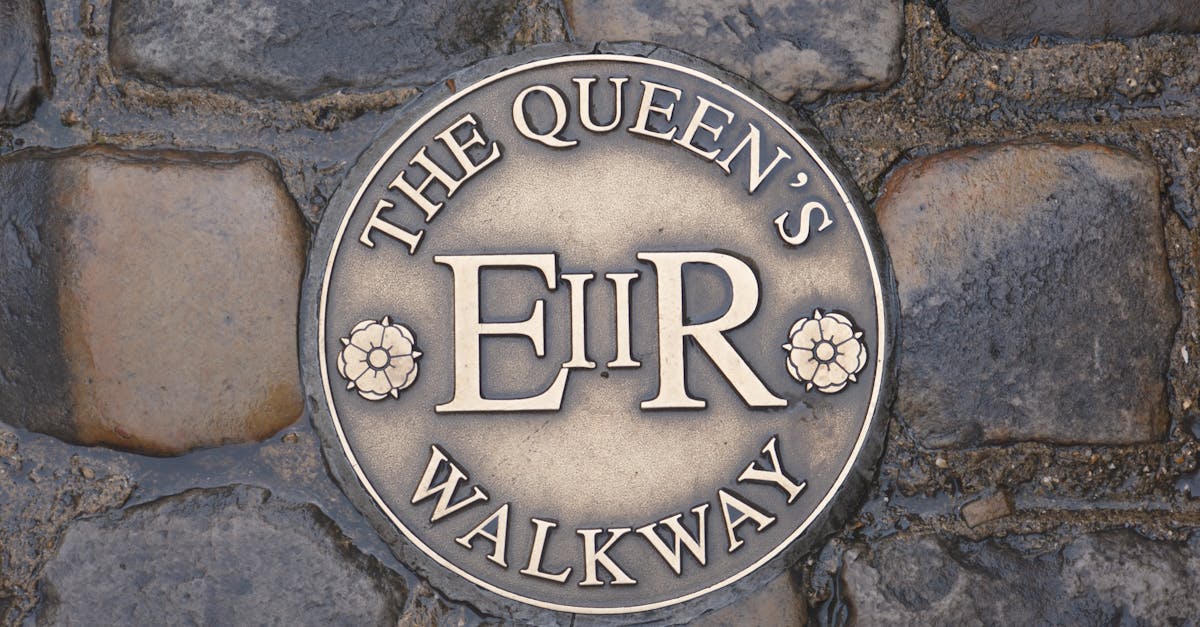 This photo was taken by Julia Schmidt on Pexels.
Welcome to the heart of London, where every cobblestone and hidden alleyway whispers tales from a thousand years ago. As your local guide, I invite you to step back in time on a journey through "Historical Walks: Tracing London's Medieval Roots." While modern skyscrapers often dominate our skyline, beneath the bustling streets lies a fascinating layer of history waiting to be discovered. In this post, we will trace the surviving fragments of the ancient city walls, explore the mysterious boundaries of Farringdon Without Ward, and follow the evolution of London's oldest streets from their origins as vibrant marketplaces to sacred monastic grounds. Get ready to uncover the secrets that have shaped our capital for centuries.
Walking the Walls: The Surviving Remnants of the Roman and Medieval City
Embarking on a journey through the surviving remnants of London's ancient fortifications offers a tangible connection to the city's layered past, where the shadow of Roman Londinium and medieval London still looms large. As you trace the path of the old Roman Wall, particularly along the Tower Hill section, you are walking directly atop a structure built nearly two thousand years ago, its massive stone blocks whispering tales of legions guarding the River Thames. Just beyond these ancient foundations lies the more accessible yet equally evocative stretch of the Medieval City Wall near St. Paul's Cathedral, where fragments of brick and stone peek out from modern facades, marking the boundaries that once protected a bustling trading hub from Viking raids and civil unrest.
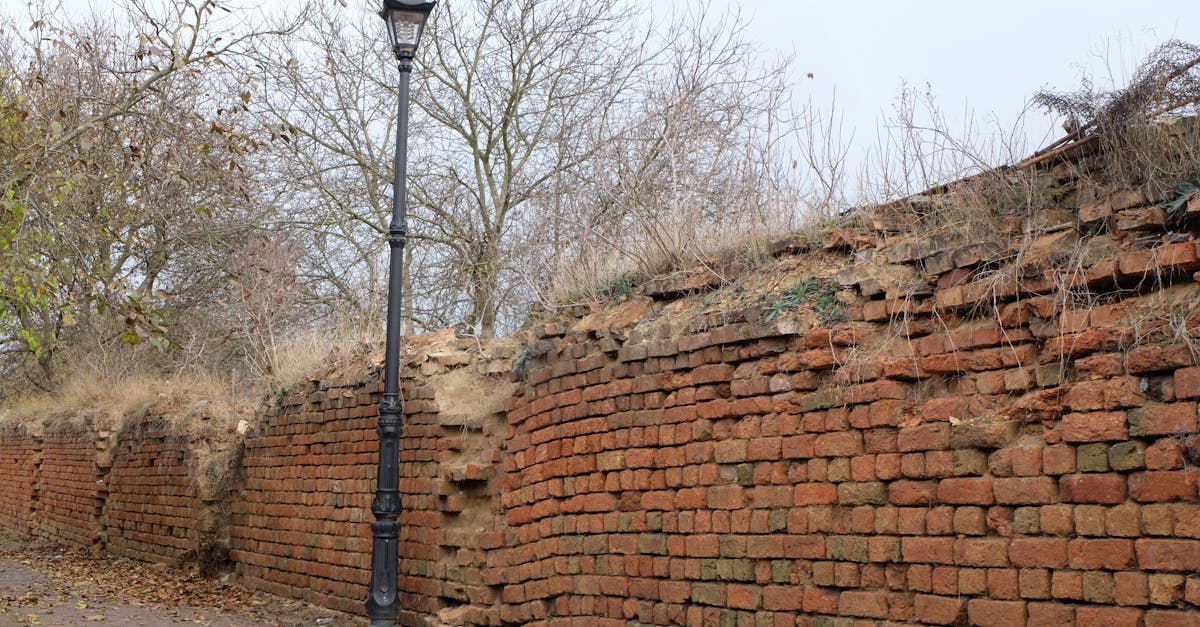
The experience of walking these walls is not merely an exercise in archaeology but a vivid narrative of resilience, as you navigate narrow alleyways like Cripplegate or Barbican where the original gatehouses once stood guard against invaders. Each step reveals how the city adapted, with sections of the wall repurposed into basements of office buildings or incorporated into the foundations of historic pubs, creating a seamless tapestry of history beneath your feet. By following this hidden circuit, tourists can appreciate how the physical constraints of the medieval city shaped London's unique street plan, transforming what were once defensive barriers into the very veins that still carry the lifeblood of the capital today.
 This photo was taken by Roman Biernacki on Pexels.
The Lost Liberties: Exploring Farringdon Without Ward and the Ancient Parishes
Nestled between the bustling modernity of Farringdon Road and the historic charm of Smithfield, lies a forgotten slice of London's medieval tapestry known as Farringdon Without Ward. Unlike its walled counterpart to the east, this area once operated under distinct liberties, free from the strict jurisdiction of the City of London's Lord Mayor, allowing for a unique blend of monastic influence and civic independence. As you wander through these quiet streets, imagine the ancient parishes of St Bartholomew-the-Great and St Giles Cripplegate, which once defined the spiritual and social boundaries of this zone before the Great Fire and subsequent Victorian expansion reshaped the urban landscape. The very stones beneath your feet whisper tales of monks, pilgrims, and the infamous butchers who once dominated the nearby market, creating a layered history that remains surprisingly intact despite the city's relentless growth.
Exploring Farringdon Without Ward offers a rare opportunity to step back into an era when London was not a monolithic entity but a patchwork of semi-autonomous communities, each with its own customs and governance. Here, the narrow alleyways that wind past the old Charterhouse grounds or lead toward the Barbican reveal the subtle scars of time where ancient parish churches stood guard over their congregations long before the towering glass skyscrapers of today cast shadows upon them. By tracing the boundaries of these lost liberties, visitors can appreciate how the city evolved from a collection of independent villages into the global metropolis it is today, discovering hidden courtyards and preserved monuments that serve as silent sentinels of London's deep-rooted medieval past.
 This photo was taken by Erik Mclean on Pexels.
From Market to Monastery: Tracing the Origins of London's Oldest Streets
Our journey begins in the vibrant chaos of Cheapside, where the rhythmic clatter of modern footsteps echoes the ancient trade routes that once defined this city's economic heartbeat. Here, the narrow, winding lanes still bear the scars of history, from the medieval guildhalls that rose to house prosperous merchants to the remnants of St Paul's Cathedral's earlier foundations buried beneath the pavement. As you wander past the iconic Market Cross and the sites of former Roman roads, you are walking through layers of time where the bustling energy of London's oldest markets once thrived, transforming a simple thoroughfare into a grand artery of commerce that connected the city to the wider world.
Leaving the clamor of the market behind, we trace our path westward toward the serene silence of Westminster Abbey, a spiritual sanctuary that stands as a testament to London's monastic origins. This transition from the profane bustle of trade to the sacred quietude of the cloister mirrors the city's own evolution, where royal patronage and religious devotion shaped the very fabric of its earliest streets. The cobblestones here seem to whisper tales of coronations, pilgrimages, and political intrigue, guiding us along a route that was once the exclusive domain of kings and clergy, now open for all to explore the profound medieval roots that continue to define London's unique character today.
 This photo was taken by Loic Van Montagu on Pexels.