Cultural Quirks: Understanding British Etiquette as a Visitor
 This photo was taken by Nomad Photographer on Pexels.
The Art of Queuing: Why Order is Everything
In the bustling heart of London, where the Tube carriages are packed and queues snake around every corner from the British Museum to a local bakery, you will quickly discover that queuing is not merely a logistical necessity but a deeply ingrained social contract. The British approach to order is characterized by an unspoken agreement: respect the person ahead of you, maintain your space, and never, under any circumstances, cut in line. This collective adherence to fairness creates a unique atmosphere of calm efficiency; even when delays occur or crowds surge, the orderly formation prevents chaos and ensures that everyone gets their turn without conflict. As a visitor, observing this ritual offers a fascinating glimpse into the national psyche, where politeness and patience are valued above speed, turning what could be a frustrating wait into a shared moment of civilized conduct.
Making the most of your visit requires you to embrace this "art of queuing" with grace, as it is often the first test of how well you understand local etiquette. If you find yourself waiting for a bus on a rainy afternoon or standing in line at a popular tea room, simply joining the back of the line is the golden rule; attempting to bypass others or hovering too closely near the front can be seen as a significant breach of manners. Interestingly, the queue itself becomes a social equalizer, where strangers stand shoulder-to-shoulder in silence or engage in light conversation about the weather, united by their mutual respect for the system. By mastering this subtle dance of British life, you not only avoid any awkward encounters but also earn the quiet appreciation of locals who view such compliance as the highest form of courtesy.
 This photo was taken by Erik Mclean on Pexels.
Pub Etiquette: Navigating the 'Round' System
One of the most cherished traditions in a London pub is the "round" system, a social ritual that binds strangers and friends alike through shared hospitality. When you are with a group, it is customary for each person to take a turn buying drinks for everyone else, ensuring that no one feels left out or burdensome. If you are offered a round by a local, accepting it graciously is a sign of respect; however, if you decline because you are on a strict budget, be prepared to explain your situation politely or offer to buy the next one later. Remember that once a round is ordered, the bar staff will typically call out the total, so keep an eye on the bill to avoid confusion when it's your turn to pay.
Navigating this system requires a bit of attentiveness, as there is often an unspoken rule about the order of payment: the last person standing usually does not get to skip their turn, even if they have been drinking longer than others. It is considered poor form to leave a venue without paying for your own drink or the round if you were part of the cycle, as this can cause awkwardness among the group. For solo visitors, simply ordering a drink at the bar is perfectly acceptable, though engaging in conversation with the bartender or other patrons can sometimes lead to an invitation to join a round, offering a wonderful opportunity to experience genuine British camaraderie firsthand.
 This photo was taken by Sadi Hockmuller on Pexels.
Apologizing for Bumping into Thin Air
One of the most charming yet bewildering aspects of navigating London's bustling streets is the unwritten rule of apologizing to inanimate objects. You will frequently see locals muttering "sorry" after gently brushing past a lamppost, stumbling over an invisible step, or simply bumping into thin air. This phenomenon stems from a deep-seated cultural reflex where acknowledging any disruption, even accidental and self-inflicted, is seen as a polite gesture to maintain social harmony. As a visitor, witnessing a stranger apologize to a wall can seem absurd, but it reflects a collective mindset that prioritizes humility and avoids projecting any sense of aggression or clumsiness onto one's surroundings.
While this habit might initially feel excessive, understanding it offers a unique window into the British psyche, where politeness often functions as a shield against awkwardness. When you find yourself accidentally knocking into someone on the Tube or tripping slightly on a cobblestone, remember that your immediate instinct to say "sorry" is exactly what is expected, regardless of who was actually at fault. By embracing this quirk, you align yourself with the local rhythm of interaction, turning potential moments of embarrassment into shared smiles. So, if you ever catch yourself apologizing to a pigeon or a doorframe, rest assured that you are not losing your mind; you are simply mastering the subtle art of British etiquette.
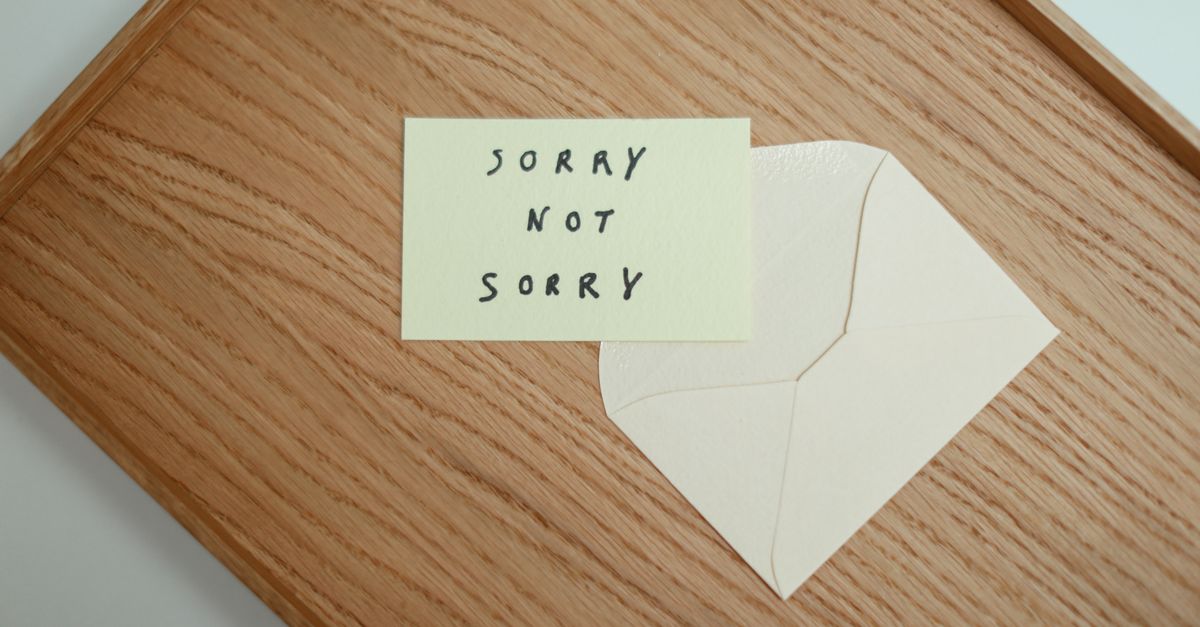 This photo was taken by Cup of Couple on Pexels.