Best Time of Year to Visit London: Weather, Events, and Crowds
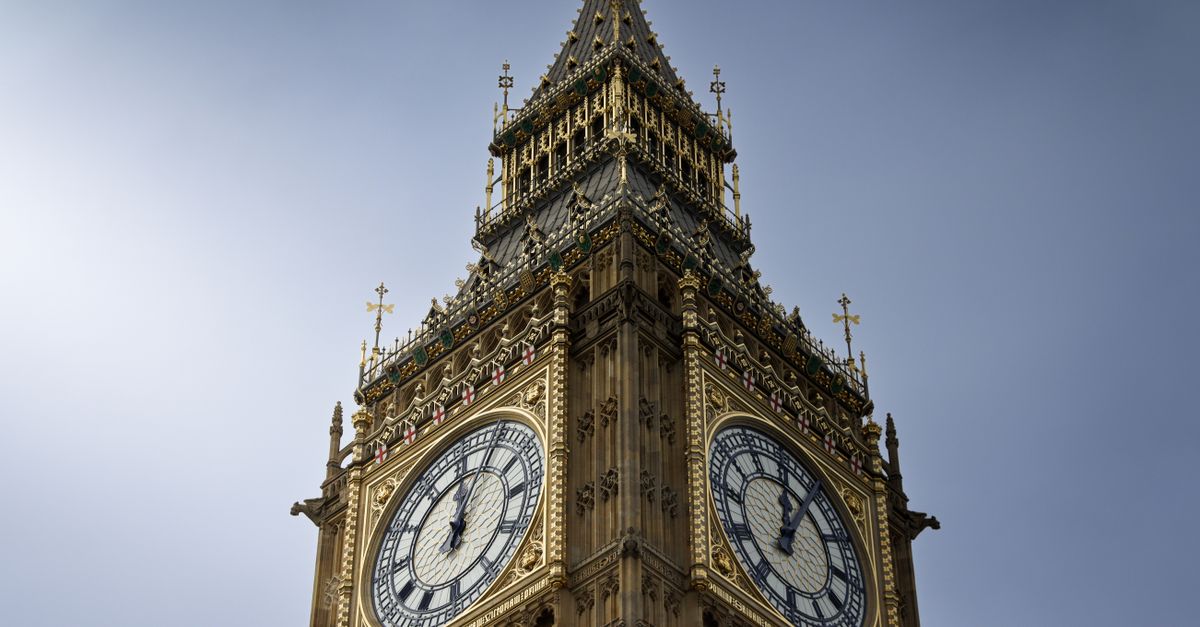 This photo was taken by Jon Eliya on Pexels.
Welcome to the heart of England, where history whispers from every cobblestone and modern energy pulses through bustling streets. Planning your perfect London getaway starts with one crucial question: when should you go? While this magnificent city is a year-round destination, each season offers a unique tapestry of experiences, from the crisp air and festive lights of winter to the vibrant blooms and long summer evenings. In this guide, we will help you navigate London's distinct seasonal weather patterns, uncover a calendar packed with iconic events and festivals that define our culture, and provide expert tips on timing your visit to beat the crowds. Whether you are chasing the thrill of a major sporting event or simply seeking a quiet stroll through Hyde Park, let us help you choose the ideal time to make memories in the capital.
Navigating London's Seasonal Weather Patterns
London's weather is famously unpredictable, often shifting from bright sunshine to a gentle drizzle within the span of an hour, so packing layers is your most essential strategy regardless of when you arrive. Spring (March to May) offers a delightful renewal with cherry blossoms blooming in Hyde Park and temperatures gently climbing into the pleasant 10-15°C range, while summer (June to August) brings the longest days and warmest weather, perfect for outdoor picnics along the Thames, though it can occasionally be quite crowded. If you prefer cooler air and dramatic skies, autumn provides a stunning backdrop as leaves turn gold and red across the city's many parks, but be prepared for increasing rainfall as the year draws to a close.
Winter months (December to February) transform London into a magical setting with festive lights illuminating Regent Street and potential snow dusting the rooftops, yet visitors should brace themselves for short daylight hours and biting winds that can make sightseeing brisk. Despite the chill, this season offers the advantage of fewer crowds at major attractions like the Tower of London or Westminster Abbey, allowing for a more intimate experience if you are bundled up against the elements. Ultimately, there is no "wrong" time to visit; whether you seek the vibrant energy of a summer festival or the cozy charm of a rainy afternoon in a traditional pub, understanding these seasonal shifts will help you tailor your itinerary to match London's ever-changing moods.
 This photo was taken by Ylanite Koppens on Pexels.
A Calendar of Iconic Events and Festivals
London truly comes alive with a relentless calendar of iconic events that transform the cityscape throughout the year, making timing your visit crucial for the experience you desire. In spring and early summer, the city celebrates its royal heritage with the spectacular Trooping the Colour and the vibrant Notting Hill Carnival in August, which fills West London with a kaleidoscope of Caribbean music, colorful costumes, and street food. As autumn approaches, the Thames Festival turns the riverfront into a cultural hub, while winter brings the magical atmosphere of Christmas markets at Somerset House and Hyde Park's Winter Wonderland, offering ice skating and festive lights that create an unforgettable backdrop against the crisp air.
While these festivals draw massive crowds, they also offer unique opportunities to witness London's diverse culture in full swing, provided you plan ahead. The Chelsea Flower Show in May offers a serene escape amidst thousands of blooms, whereas the New Year's Day Parade kicks off the year with a dazzling display of floats and performers along The Mall. If you prefer slightly fewer throngs but still want to catch the magic, consider visiting during the shoulder seasons when major events like the London Marathon in April or the Great British Beer Festival provide lively entertainment without the peak summer congestion, ensuring you can enjoy the festivities comfortably while soaking in the city's historic charm.
 This photo was taken by Nothing Ahead on Pexels.
Timing Your Trip to Beat the Crowds
Timing your visit to London is a strategic move if you wish to avoid the throngs of tourists that clog the major attractions during peak summer months. While July and August offer the warmest weather, they also bring the heaviest crowds at iconic sites like the Tower of London and Buckingham Palace, often resulting in hours-long queues. For a more relaxed experience with manageable visitor numbers, consider the "shoulder seasons" of late April to early June or September to October; during these periods, the city enjoys mild temperatures perfect for walking along the Thames, while the summer holiday rush has either not yet begun or has already subsided.
For those willing to brave cooler temperatures, visiting between November and February offers the distinct advantage of significantly thinner crowds, allowing for a more intimate connection with museums like the British Museum and galleries such as the National Gallery without the usual hustle. Although the days are shorter and rain is more frequent, this time of year coincides with the magical Christmas market season in December, where festive lights illuminate the streets without the overwhelming density seen later in January. By planning your trip outside the school holidays and major event weekends, you can navigate the Tube and explore hidden gems in Soho or Camden with ease, ensuring your London adventure remains memorable rather than exhausting.
 This photo was taken by Chung-En HU on Pexels.