Art Lovers' Paradise: Tate Modern vs. National Gallery
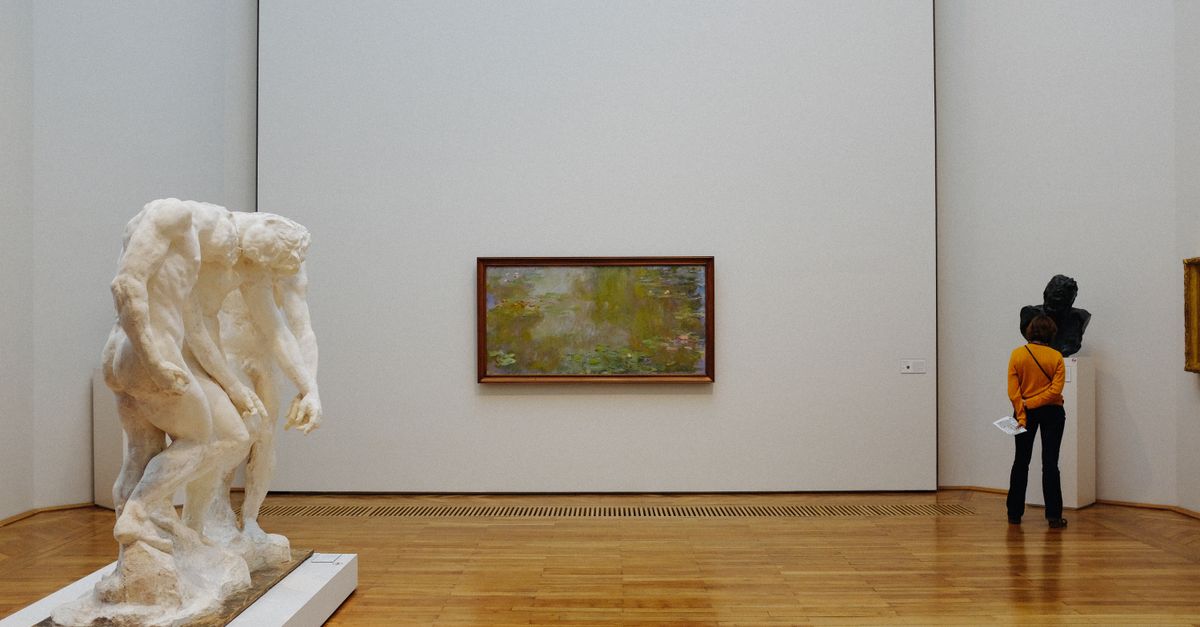 This photo was taken by Adrien Olichon on Pexels.
Welcome to the beating heart of London's cultural scene, where every corner whispers a story and every gallery holds a masterpiece waiting to be discovered. As your local guide, I know that choosing between our world-renowned art institutions can feel like standing at a crossroads in a dream. On one hand, you have the Tate Modern, an industrial powerhouse on the banks of the Thames dedicated to the bold, the bizarre, and the groundbreaking works of modern and contemporary art. On the other, you have the National Gallery, nestled proudly in Trafalgar Square, offering a timeless journey through five centuries of Western painting history. Whether you are seeking the electric energy of a new movement or the quiet reverence of a Renaissance classic, this guide will help you navigate the distinct vibes, locations, and collections of these two titans. Let's step inside and decide which canvas best suits your artistic soul.
Modern Masterpieces: Navigating the Tate Modern
Modern Masterpieces: Navigating the Tate Modern
Perched on the banks of the Thames in a repurposed power station, the Tate Modern stands as a towering beacon of contemporary creativity, inviting visitors to step into a world where art defies convention and embraces the avant-garde. As you ascend the iconic Turbine Hall, a cavernous space that once housed massive generators, you are immediately greeted by monumental installations that challenge your perception of scale and space, from Anish Kapoor's swirling voids to Olafur Eliasson's immersive light shows. The gallery's vast collection spans over a century of artistic evolution, showcasing bold works by Picasso, Warhol, and Hirst alongside cutting-edge pieces from emerging global talents, ensuring that every corner reveals a new narrative about our rapidly changing society.
Navigating this labyrinthine museum is an adventure in itself, with its winding staircases and open-plan floors encouraging exploration at your own pace. Unlike traditional galleries with their rigid chronological displays, the Tate Modern often arranges its exhibits thematically, allowing for surprising dialogues between disparate eras and cultures that spark fresh insights and emotional connections. Whether you are pausing to contemplate the raw emotion in Francis Bacon's portraits or marveling at the vibrant chaos of street art influences, the atmosphere here is electric and inclusive, making it the perfect destination for those seeking to engage with the pulse of modern life through the universal language of visual expression.
 This photo was taken by Erik Mclean on Pexels.
Classical Treasures: A Journey Through the National Gallery
Nestled in the heart of Trafalgar Square, the National Gallery offers an unparalleled immersion into the evolution of Western art from the 13th to the early 20th century. Unlike its modern counterpart across the river, this institution invites you on a timeless journey through masterpieces by titans such as Van Gogh, Da Vinci, and Turner, where the soft glow of natural light filters through high windows to illuminate centuries of human expression. Whether you are tracing the intricate details of Botticelli's mythological scenes or marveling at the vibrant brushstrokes of Impressionist works, every corner of this historic building tells a story of artistic revolution, making it an essential stop for any culture-seeker eager to connect with the roots of classical beauty.
While the Tate Modern celebrates the avant-garde and the contemporary pulse of our times, the National Gallery stands as a serene sanctuary where history breathes through oil paints and canvas. Here, visitors can spend hours wandering through galleries that feel less like museums and more like grand salons, engaging directly with the techniques and emotions of masters who shaped our visual language. For those seeking a deeper understanding of art history before diving into modern interpretations, a stroll through these hallowed halls provides the perfect foundation, offering a tranquil contrast to the bustling energy of London's modern art scene while showcasing the enduring power of classical treasures that continue to inspire awe today.
 This photo was taken by Sue Rickhuss on Pexels.
Choosing Your Canvas: Comparing Vibe, Location, and Collections
 This photo was taken by Caique Araujo on Pexels.