Architectural Wonders: Modern Skyscrapers vs. Ancient Churches
 This photo was taken by Athena on Pexels.
Welcome to the beating heart of London, a city where the past and future stand shoulder to shoulder in a breathtaking conversation. As your local guide, I invite you to explore a narrative that defines our capital's unique character: the striking contrast between the soaring glass spires of modern innovation and the enduring stone sanctuaries of ancient faith. From the gleaming silhouette of the Shard piercing the clouds to the quiet, centuries-old whispers within the nave of St Paul's Cathedral, London offers a visual dialogue that is unlike anywhere else on Earth. Join me as we walk through this urban tapestry, uncovering how the Gilded Age of Glass has reshaped our skyline while timeless stone and stained glass continue to anchor our history, creating a perfect harmony where history meets the future.
The Gilded Age of Glass: London's Iconic Skyline
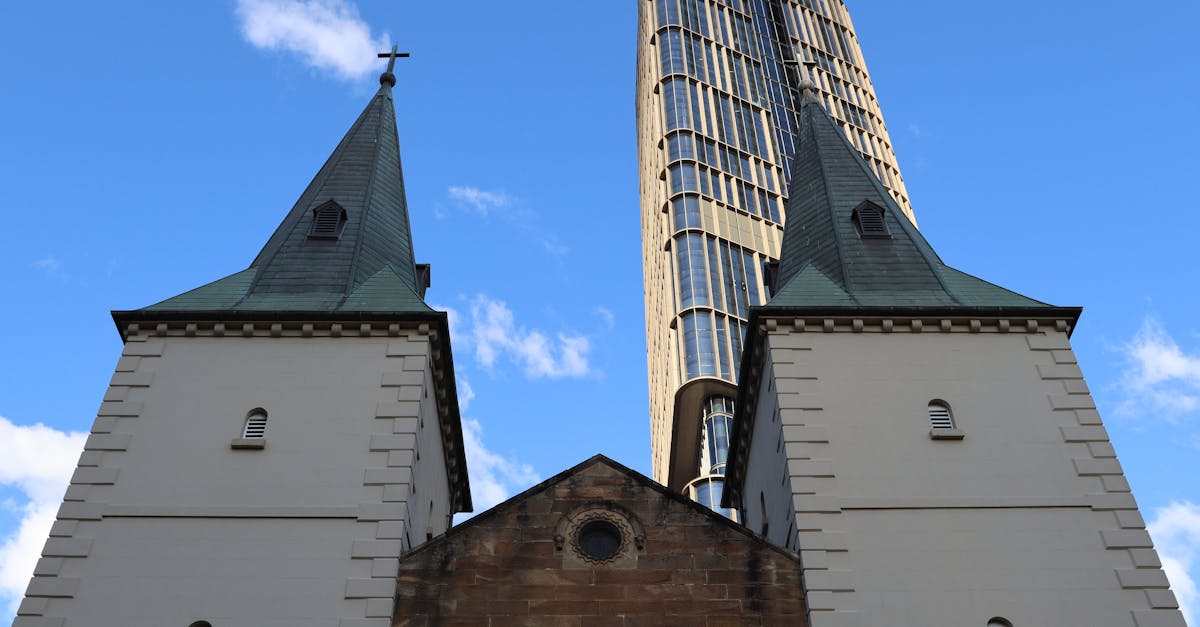
London's skyline has undergone a breathtaking transformation in recent decades, evolving from a silhouette dominated by the spires of ancient churches into a dazzling tapestry of glass and steel that whispers of a new Gilded Age. As you stroll along the South Bank or gaze up from the banks of the Thames, structures like The Shard, often called "The Chisel," pierce the clouds with their shimmering facades, reflecting the ever-changing British sky in a dance of light and shadow. These modern marvels are not merely symbols of economic power but represent a bold architectural dialogue where cutting-edge engineering meets historical reverence, creating a visual narrative that is uniquely London.
Yet, this contemporary glitz does not overshadow the city's timeless heritage; instead, it creates a striking juxtaposition that defines the capital's character. Standing just steps away from gleaming skyscrapers like 20 Fenchurch Street (the "Walkie-Talkie") or the slender needle of 122 Leadenhall (the "Cheesegrater"), one can still find the stone buttresses of St Paul's Cathedral or the delicate towers of Westminster Abbey anchoring the view. This harmonious coexistence allows visitors to experience centuries of history within a single glance, proving that while London looks forward with its gilded glass towers, it never forgets the sacred foundations upon which it was built.
 This photo was taken by Erik Mclean on Pexels.
Stone and Stained Glass: Timeless Sanctuaries in the City
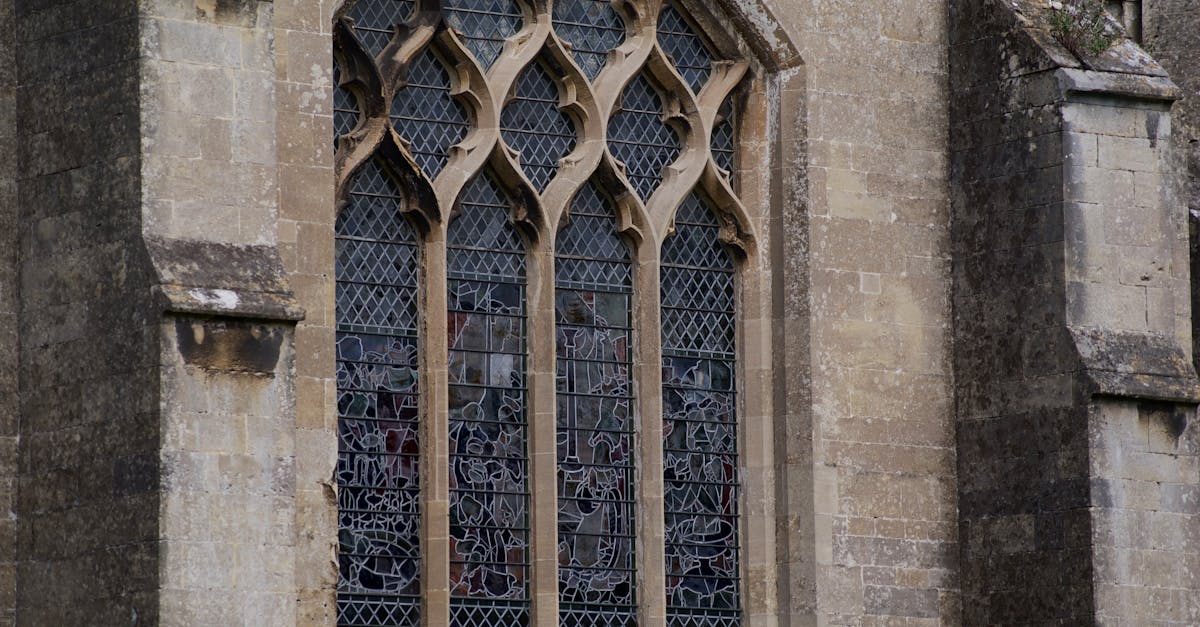
Navigating the labyrinthine streets of London reveals a profound dialogue between history and divinity, nowhere more evident than in its ancient sanctuaries. From the Romanesque grandeur of the Tower of London's chapel to the Gothic spires piercing the City's skyline, these stone structures stand as silent sentinels of centuries past. The weathered masonry tells stories of monarchs, martyrs, and merchants, while the intricate stained glass windows cast kaleidoscopic patterns of light onto the cold floors, transforming ordinary interiors into ethereal spaces that seem to suspend time itself.
In stark contrast to the gleaming steel and glass of modern skyscrapers like The Shard or 20 Fenchurch Street, these ecclesiastical buildings offer a sense of permanence and spiritual grounding that defines the city's soul. While the financial district buzzes with the rapid pace of commerce, stepping inside St Paul's Cathedral or Westminster Abbey provides a moment of hushed reverence where the acoustics amplify whispers into echoes of history. These timeless sanctuaries remind us that beneath the city's relentless modernization lies a deep-rooted heritage, inviting visitors to pause, reflect, and marvel at the enduring power of faith captured in stone and light.
 This photo was taken by Kristian Thomas on Pexels.
A Dialogue Across Centuries: Where History Meets the Future
Walking through the heart of London offers a mesmerizing journey where the stone foundations of centuries past stand in quiet conversation with gleaming steel giants reaching for the clouds. As you stroll from the hallowed grounds of St Paul's Cathedral, with its iconic dome dominating the skyline since 1708, to the futuristic silhouette of The Shard or the organic curves of The Gherkin, you witness a city that refuses to choose between honoring its heritage and embracing innovation. This architectural dialogue is not one of conflict but of symbiosis; the ancient brickwork and Gothic spires provide a grounding historical narrative that gives depth and soul to the modern glass towers, while the contemporary structures offer new vantage points from which to appreciate the timeless beauty of the old world.
The contrast becomes most palpable when you consider the stories embedded within these walls: medieval churches that have witnessed coronations and revolutions now sit mere blocks away from office buildings housing the tech startups and financial powerhouses shaping tomorrow's economy. In this unique urban landscape, history does not fade into the background but rather acts as a vibrant backdrop for the future's unfolding drama. Whether you are sipping coffee on a terrace overlooking the Thames, watching the sunset reflect off both a Victorian railway station and a sleek skyscraper, or simply navigating the narrow alleyways that weave between eras, London invites you to be a participant in this ongoing evolution, proving that the most beautiful cities are those that wear their past proudly while boldly constructing their future.
This photo was taken by Erik Mclean on Pexels.