Architectural Marvels: From St. Paul's to The Shard
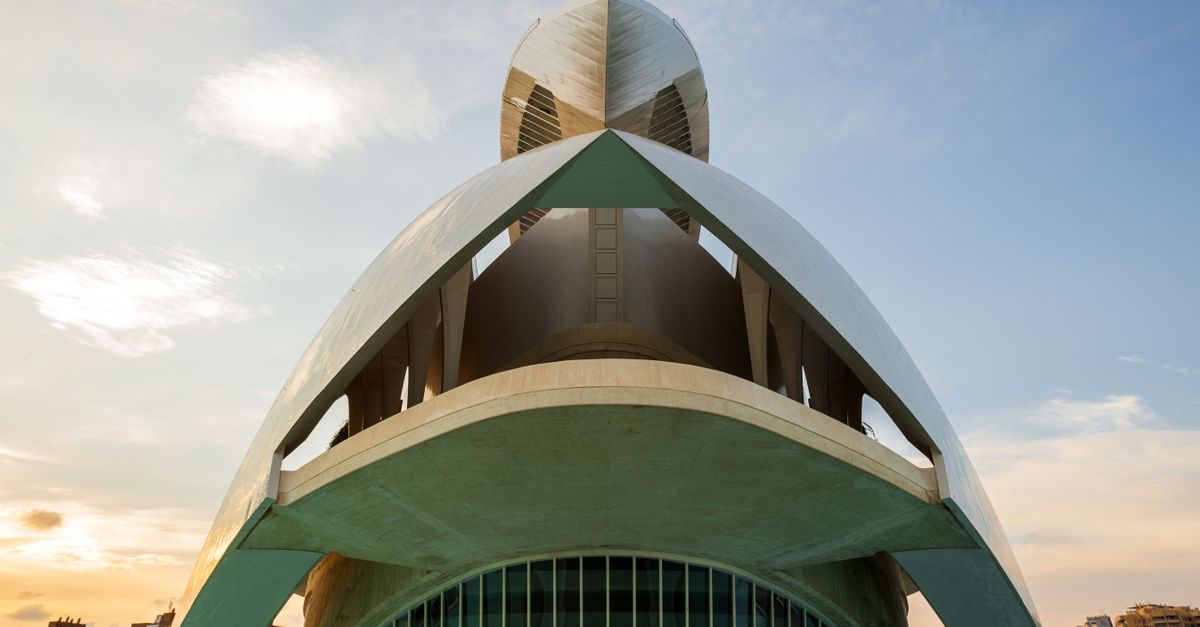 This photo was taken by Stas Knop on Pexels.
Welcome to the heart of London, a city where every stone tells a story and every skyline reveals a new chapter. As your local guide, I invite you to embark on a journey that bridges centuries of human ingenuity, from the majestic dome of Sir Christopher Wren's masterpiece to the glass-clad pinnacle of Renzo Piano's modern icon. In this post, we will trace the magnificent arc of London's architectural evolution, exploring how the Baroque grandeur of St. Paul's Cathedral stands in awe-inspiring harmony with the soaring heights of The Shard. Together, these structures do more than define our horizon; they narrate the dynamic tale of a city that has continuously reinvented itself while honoring its rich past. Let us step into the streets and look up, discovering how London's ever-changing skyline serves as a living testament to the enduring spirit of innovation.
A Walk Through History: The Baroque Grandeur of St. Paul's Cathedral
Stepping into the shadow of Sir Christopher Wren's masterpiece, St. Paul's Cathedral, is akin to entering a living timeline of London's resilience and artistic evolution. Built in the late 17th century following the Great Fire of 1666, this Baroque icon dominates the skyline with its colossal dome, which was once the tallest structure in London for over two centuries. As you wander through the nave, notice how the play of light filtering through the clerestory windows illuminates the intricate ceiling paintings and the golden stonework, creating an atmosphere of awe that has inspired millions since its consecration. The cathedral stands not merely as a place of worship but as a testament to the city's ability to rise from ashes, having survived both the Blitz during World War II and the ravages of time with its grandeur largely intact.
While exploring the grounds, take a moment to appreciate the harmonious balance between the classical proportions of the exterior and the overwhelming verticality of the interior, features that define English Baroque architecture at its finest. Climb the whispering gallery or ascend the stone steps to the Golden Gallery for a breathtaking panorama where the river Thames snakes through the historic heart of the capital, offering a stark yet beautiful contrast between the ancient stones of the cathedral and the modern glass spires of the City. Whether you are tracing the footsteps of royalty who have been crowned here or simply marveling at the sheer scale of the dome, St. Paul's offers a profound connection to the past that serves as the perfect prelude to the futuristic architectural wonders waiting just a short walk away along the South Bank.
 This photo was taken by Erik Mclean on Pexels.
Soaring to New Heights: The Modern Engineering Feat of The Shard
Soaring 310 meters into the London skyline, The Shard stands as a breathtaking testament to modern engineering and architectural ambition. Designed by Renzo Piano, this glass-clad spire dominates the cityscape, its fragmented form reflecting the sky and surrounding landmarks in a dazzling display of light and shadow. As the tallest building in the United Kingdom, it offers visitors an unparalleled vantage point from The View from The Shard, where you can gaze across the historic tapestry of London, from the ancient winding streets near Tower Bridge to the sweeping curves of the Thames, all while marveling at how contemporary design harmonizes with centuries of history.
Beyond its visual impact, The Shard represents a triumph of structural innovation, utilizing a lightweight steel frame and thousands of individual glass panels to create a tower that is both slender and resilient against the elements. Its construction required meticulous planning to integrate seamlessly with the heritage surroundings of London Bridge Station, ensuring that this futuristic icon does not overshadow but rather complements the city's rich architectural legacy. Whether you are watching the sunset paint the clouds in hues of gold or observing the city lights flicker on below at night, The Shard invites you to experience London from a new perspective, bridging the gap between the past and the future in a single, awe-inspiring ascent.
 This photo was taken by quang vinh on Pexels.
Bridging the Eras: How London's Skyline Tells a Story of Evolution
Walking through London offers a visual journey through centuries of history, where the skyline serves as a testament to the city's relentless evolution. From the iconic, baroque dome of St. Paul's Cathedral, which has dominated the view since Christopher Wren completed it in 1708, to the sleek, glass spires that pierce the clouds today, every structure tells a story of resilience and change. These historic landmarks stand not as relics of a bygone era, but as foundational chapters in an ongoing narrative, their stone facades weathering storms and wars while maintaining their majestic presence against the backdrop of modern development.
This architectural dialogue reaches its most striking conclusion at The Shard, Sir Norman Foster's 310-meter needle that redefines the horizon and symbolizes London's embrace of the future. Unlike the heavy masonry of the past, this contemporary marvel reflects the sky and surrounding buildings, creating a dynamic interplay between old and new that shifts with the light of day. As tourists gaze upon this juxtaposition, they witness more than just a collection of buildings; they see a living chronicle of how London has continuously reinvented itself, seamlessly bridging the gap between its storied heritage and its ambitious, global identity.
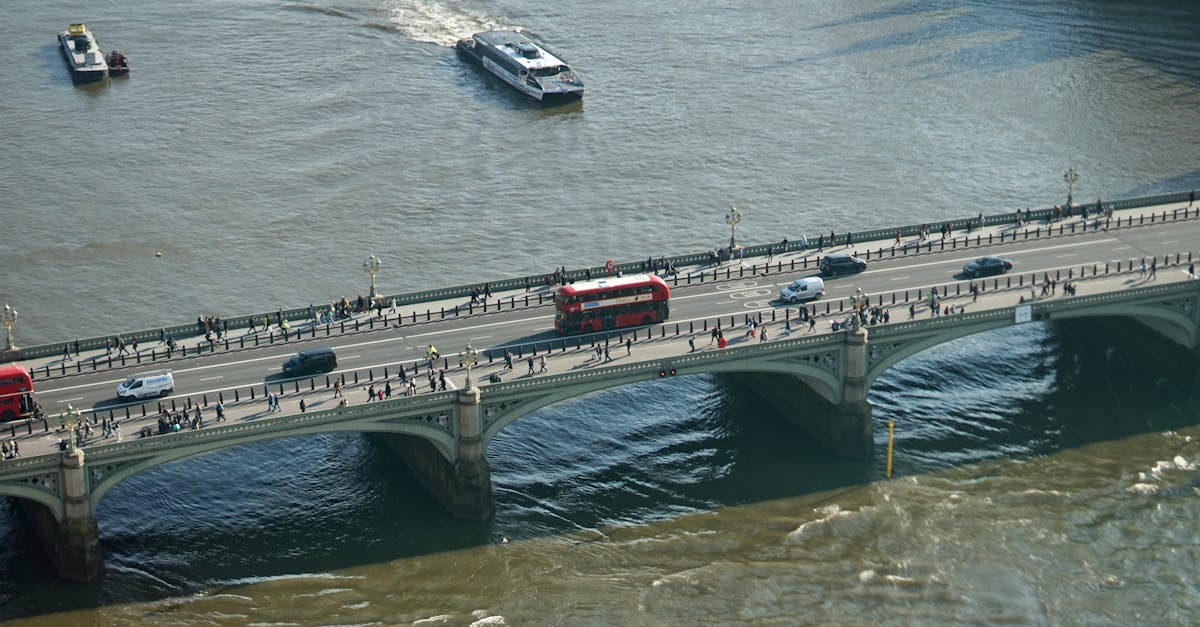 This photo was taken by Oladimeji Ajegbile on Pexels.